The Fight to Save India’s Ancient Aravallis From Rampant Mining
Why It Matters
The outcome will determine whether the Aravallis remain a vital climate buffer and water source or become open to intensified mining, affecting millions of rural residents and regional environmental stability.
Key Takeaways
- •29,209 illegal mining cases reported 2018‑2023.
- •65 minerals extracted, including lead, zinc, marble.
- •Groundwater dropping; silicosis cases exceed 23,000.
- •Supreme Court suspended narrow Aravalli definition.
- •700‑km yatra rallied over 1,000 locals.
Pulse Analysis
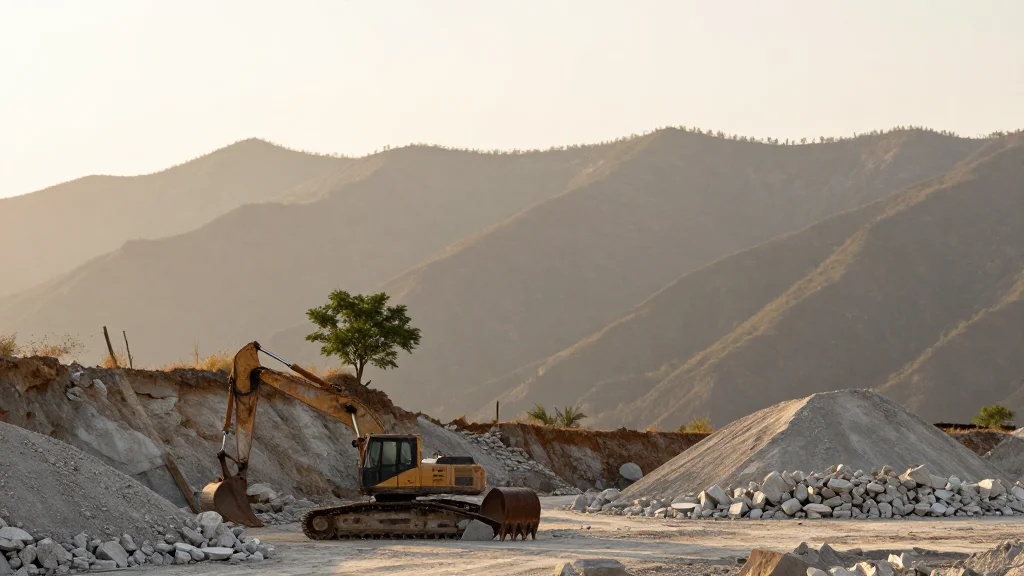
Mining activity across the Aravalli range has escalated beyond legal limits, extracting at least 65 different minerals and generating a cascade of environmental harms. Groundwater tables are receding as blasting disrupts ancient recharge zones, while airborne silica dust fuels a silent health crisis—over 23,000 silicosis diagnoses and thousands of premature deaths in Rajasthan alone. The loss of forest cover and grazing land also erodes the hills' capacity to act as a natural windbreak, amplifying dust storms that threaten Delhi and surrounding plains.
The policy dispute centers on a newly proposed definition that restricts the Aravalli Hills to landforms exceeding 100 metres in height and within 500 metres of two such peaks. Critics argue this narrow framing excludes low‑lying scrub and ridge ecosystems that are essential for biodiversity corridors and water harvesting. After the Supreme Court initially accepted the definition, sustained protests and expert interventions forced a stay, prompting the court to convene a ten‑member scientific committee to draft a more inclusive delineation. The legal tug‑of‑war highlights the tension between rapid urban expansion, which fuels demand for construction aggregates, and the need for robust environmental safeguards.
Community mobilization has become a decisive force. The 38‑day, 700‑km Aravalli "sanrakshan yatra" traversed Rajasthan, Gujarat, Haryana and Delhi, engaging over a thousand villagers, researchers and activists. Their collective testimony—documented in a 638‑page Supreme Court filing—underscores the socioeconomic fallout of mining, from abandoned farms to deteriorating health. By foregrounding local voices, these movements are reshaping the narrative, urging policymakers to prioritize long‑term ecological resilience over short‑term resource extraction. The stakes extend beyond the hills, influencing regional climate moderation, water security, and the livelihoods of millions.
The fight to save India’s ancient Aravallis from rampant mining
Comments
Want to join the conversation?
Loading comments...