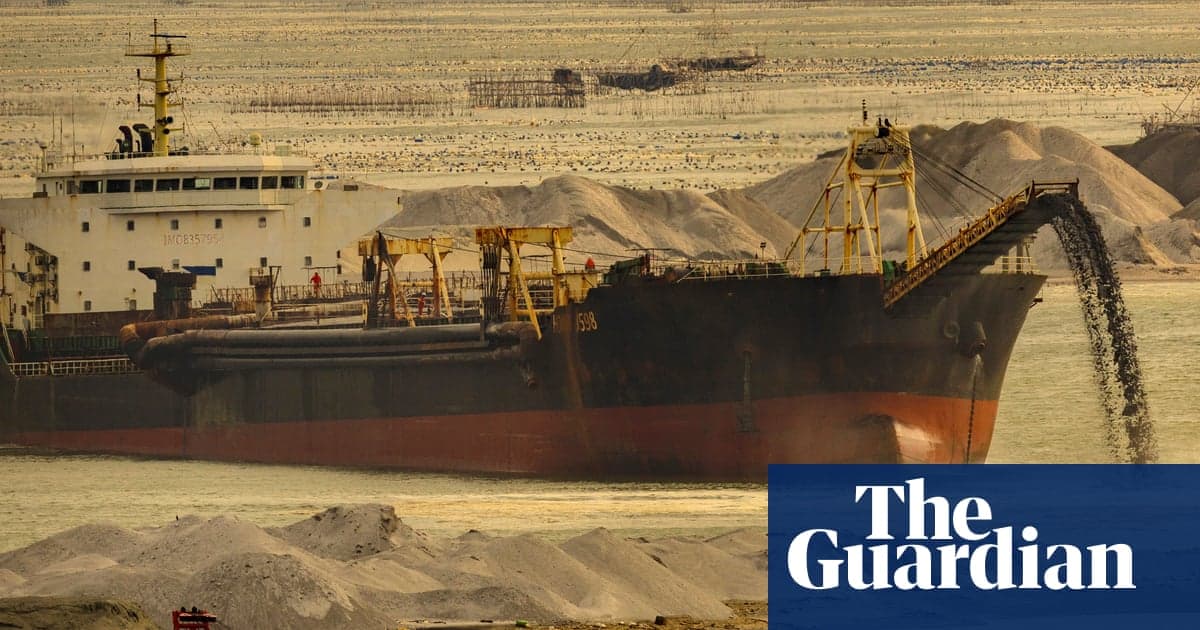
The Global Sand Crisis: It’s Being Used up Faster than It Can Be Replaced
Why It Matters
Sand scarcity threatens global infrastructure, climate resilience and the livelihoods of coastal communities, making it a critical sustainability challenge for policymakers and industry alike.
Key Takeaways
- •Global sand extraction hits 50 bn tonnes annually, outpacing natural replenishment.
- •UNEP warns sand loss endangers coastal protection, water filtration, biodiversity.
- •Maldives' Gulhifalhu reclamation removed 200 ha coral, causing irreversible damage.
- •Dredging projects in Philippines and Indonesia cut fishing incomes up to 80 %.
- •Governance overhaul needed: better data, mapping, transparency, stricter rules.
Pulse Analysis
Sand may seem mundane, but it is the most extracted solid material on the planet, fueling everything from skyscrapers to solar panels. At an estimated 50 bn tonnes per year, extraction rates now exceed the natural replenishment capacity of rivers, beaches and dunes. Beyond its industrial value, sand acts as a natural buffer against sea‑level rise, filters groundwater, and sustains habitats that support biodiversity and fisheries. When these functions are compromised, the ripple effects extend far beyond construction sites, influencing climate adaptation and food security.
The crisis is already visible in vulnerable regions. In the Maldives, a 192‑hectare land‑reclamation project required massive sand dredging, wiping out 200 ha of coral reef and triggering irreversible ecological damage. Similar projects in Manila Bay and South Sulawesi have stripped seabeds, leading to an 80 % drop in fishers’ incomes and the collapse of local marine ecosystems. These case studies illustrate how short‑term development gains can generate long‑term socioeconomic losses, especially for island nations and coastal communities that depend on healthy marine environments.
Addressing the sand shortage demands a paradigm shift in resource governance. UNEP recommends comprehensive mapping of sand stocks, real‑time monitoring of extraction sites, and transparent reporting to prevent illegal dredging in protected areas. Alternatives such as recycled construction aggregates, manufactured sand, and stricter zoning can reduce pressure on natural deposits. By integrating ecological valuation into planning processes, policymakers can safeguard both development needs and the planet’s natural defenses, ensuring sand remains a sustainable foundation for future growth.
The global sand crisis: it’s being used up faster than it can be replaced
Comments
Want to join the conversation?
Loading comments...