The Invisible War on GPS and What It Means for Mining Operations
Why It Matters
The reliability of GPS is now a strategic risk for mining and logistics, where disruptions directly impact productivity, safety and billions of dollars in revenue.
Key Takeaways
- •GPS jamming incidents affect 122,000 flights monthly in 2026
- •Mining fleets rely on GPS for dispatch, safety, and autonomy
- •Multi‑constellation and sensor‑fusion mitigate single‑point positioning failures
- •Industry calls for government standards on signal authentication
- •Resilience frameworks need real‑time jam detection and continuity
Pulse Analysis
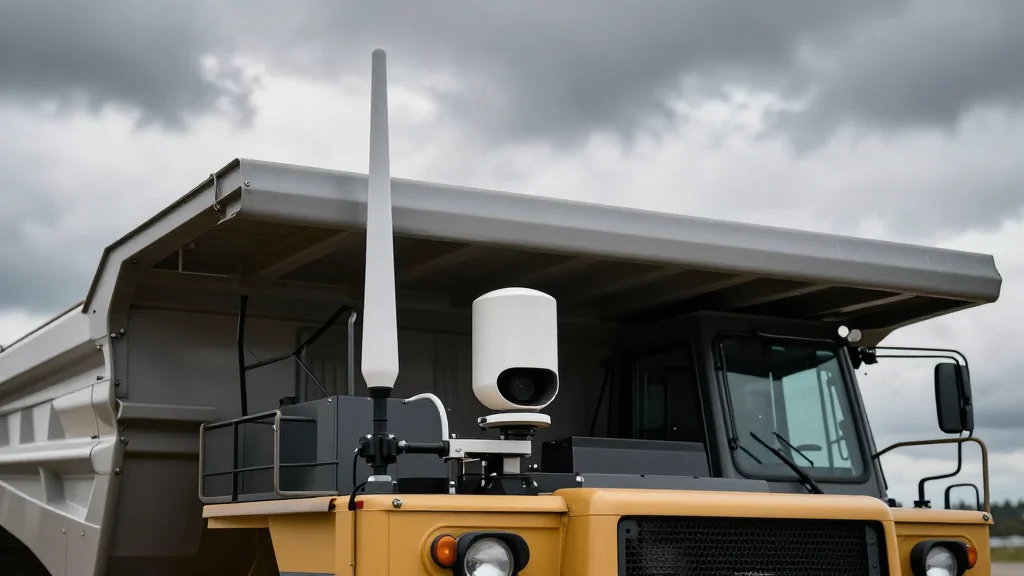
The frequency of GPS interference has exploded in 2026, with more than 122,000 commercial flights disrupted and thousands of vessels reporting false locations. The mining sector feels the pressure most acutely; haul trucks in the Pilbara, Atacama and Congo rely on precise positioning for dispatch, autonomous operation, and safety systems. A single jammed signal can erase a vehicle from live maps, compromise drill accuracy, and expose workers to hazards. Analysts estimate a full‑scale GPS outage could cost the U.S. economy around $1 billion per day, underscoring the systemic risk.
To protect operations, companies are shifting from a single‑satellite mindset to a layered positioning architecture. Multi‑constellation receivers that combine GPS, GLONASS, Galileo and BeiDou can switch to an alternate system when one band is jammed. Onboard inertial measurement units and lidar create a dead‑reckoning backbone that estimates location without satellite input. Integrated threat‑detection chips alert drivers and fleet managers the moment interference is detected, allowing a seamless handoff to alternative sensors. This sensor‑fusion approach not only preserves route optimization but also maintains compliance reporting and safety alerts during an outage.
Regulators and industry groups are now demanding formal standards for signal authentication and mandatory jam‑resilience testing. In the United States, fourteen trade associations—including Airlines for America and the U.S. Chamber of Commerce—have urged Congress to fund a national GPS integrity program. For mining operators, the practical step is to audit existing telematics, embed redundancy, and negotiate service‑level agreements that guarantee real‑time detection capabilities. Companies that embed resilience into device design will protect revenue, avoid safety incidents, and sustain the trust of customers who depend on uninterrupted location data.
The invisible war on GPS and what it means for mining operations
Comments
Want to join the conversation?
Loading comments...