The Magnet Bottleneck Nobody’s Talking About (And China Controls 99% of It)
Key Takeaways
- •China processes 99% of global rare‑earth magnets.
- •U.S. lacks domestic magnet separation and purification facilities.
- •Magnet shortage impacts EVs, wind turbines, fighter jets.
- •Supply risk could increase prices and delay projects.
- •Investing in downstream capacity essential for security.
Pulse Analysis
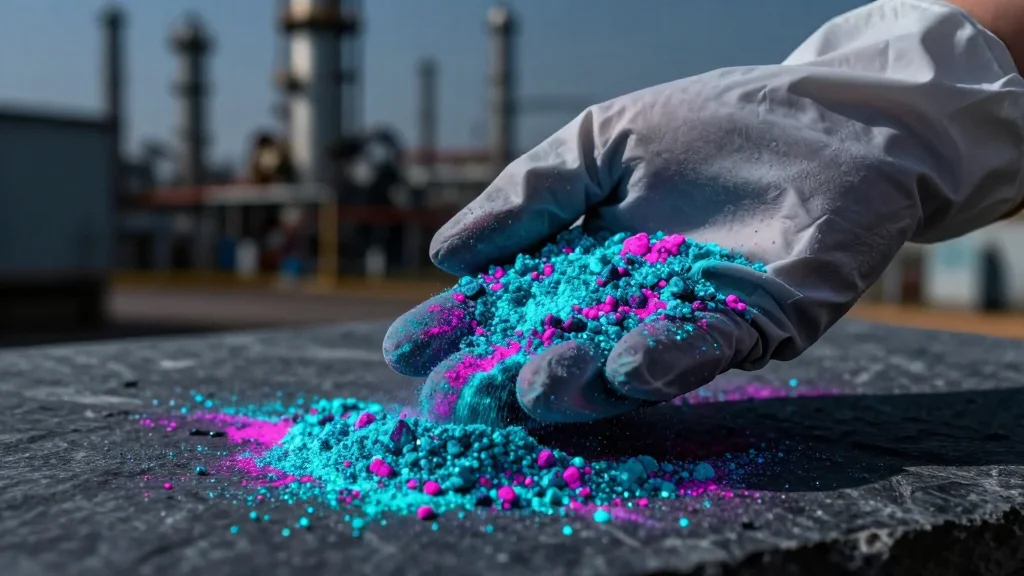
The rare‑earth ecosystem is often reduced to a simple mining narrative, yet the true scarcity lies in the downstream processes that transform raw concentrates into high‑performance permanent magnets. Separation, refining, and alloying require sophisticated chemical plants and precision engineering—capabilities that China has cultivated over decades, now commanding virtually the entire global market. This concentration of expertise creates a single‑point failure for any nation that relies on imported magnets for critical technologies.
For the United States, the ramifications are immediate and far‑reaching. Electric‑vehicle manufacturers depend on neodymium‑iron‑boron magnets for efficient drivetrain designs, while offshore wind developers need them to achieve the power density required for large turbines. Defense programs, exemplified by the F‑35’s electric motor systems, also hinge on uninterrupted magnet supplies. A disruption—or even a modest price hike—in Chinese output could cascade into higher vehicle costs, delayed renewable projects, and compromised military readiness, eroding the competitive edge of U.S. industry.
Addressing the bottleneck calls for a coordinated strategy that blends policy incentives, private investment, and research collaboration. Federal initiatives could fund pilot plants for rare‑earth separation and magnet fabrication, while tax credits encourage domestic manufacturers to scale. Partnerships with universities can accelerate material science breakthroughs, potentially reducing reliance on the most scarce elements. By reshoring the downstream segment, the United States can diversify its supply chain, lower exposure to geopolitical risk, and reinforce its leadership in clean energy and defense technologies.
The Magnet Bottleneck Nobody’s Talking About (And China Controls 99% of It)
Comments
Want to join the conversation?