The Senate Just Greenlit a Mine Next to the Boundary Waters, America’s Most Popular Wilderness
Why It Matters
Lifting the ban could unlock significant domestic mineral production but also endangers a pristine watershed that supports tourism, wildlife, and recreation, setting a contentious precedent for wilderness protection versus resource extraction.
Key Takeaways
- •Senate voted 50-49 to repeal Boundary Waters mining moratorium.
- •Repeal clears path for Antofagasta's Twin Metals copper‑sulfide mine.
- •Mine could produce 20,000 tons of ore daily, creating ~1,400 jobs.
- •Project still faces up to 18 state permits and legal challenges.
- •Environmental groups warn of catastrophic water pollution risk.
Pulse Analysis
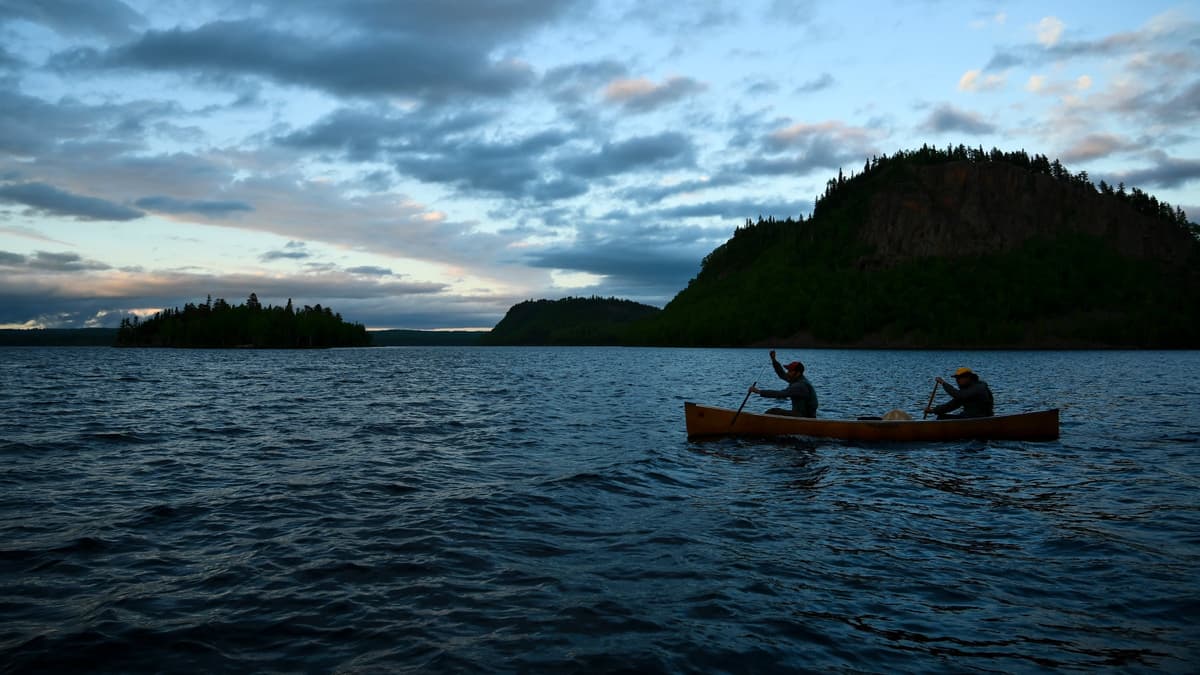
The Boundary Waters Canoe Area Wilderness, spanning more than a million acres of lakes and forest along the Minnesota‑Ontario border, draws roughly 200,000 outdoor enthusiasts each year. Its ecological value—home to loons, moose, beavers and wolves—has made it a political flashpoint. By invoking the Congressional Review Act, the Senate effectively undid a 2023 ban that protected the watershed from mining, a maneuver rarely used since its 1996 inception. This legislative reversal underscores a broader shift toward prioritizing domestic mineral extraction over longstanding conservation safeguards.
Twin Metals, owned by Chilean conglomerate Antofagasta PLC, envisions an underground operation that would process about 20,000 tons of copper‑sulfide ore per day and store tailings adjacent to the wilderness. The company argues the project will generate roughly 1,400 jobs and bolster U.S. supply chains for critical minerals essential to electric vehicles and renewable energy technologies. Yet former Forest Service officials and environmental groups warn that any tailings breach could release acidic water and heavy metals into the Boundary Waters, jeopardizing downstream ecosystems in Voyageurs National Park and Canada’s Quetico Provincial Park. The mine still requires up to 18 state permits and faces likely court challenges, highlighting the complex regulatory maze that now replaces the federal ban.
The repeal carries significant political and economic ramifications. For mining advocates, it signals a willingness to fast‑track resource projects deemed vital for national security and clean‑energy goals. For conservationists and the tourism sector, it raises alarms about potential water contamination that could deter the millions of visitors who fuel the regional economy. Stakeholders will be watching the permitting process, possible litigation, and the Trump administration’s final decision closely, as the outcome will shape the balance between wilderness preservation and domestic mineral development for years to come.
The Senate Just Greenlit a Mine Next to the Boundary Waters, America’s Most Popular Wilderness
Comments
Want to join the conversation?
Loading comments...