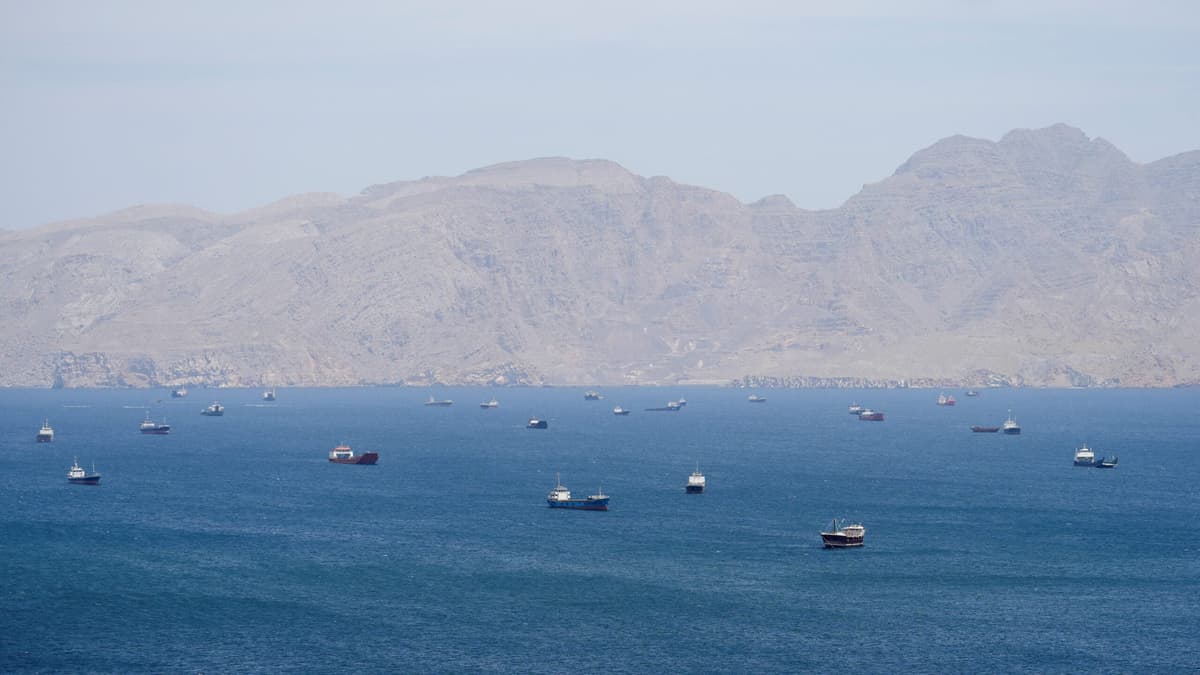
The Strait of Hormuz Crisis Is Cracking the Petrodollar System
Why It Matters
The crisis accelerates the erosion of the petrodollar by prompting major oil‑importing nations to diversify payment mechanisms, reshaping global finance and supply‑security dynamics. A fragmented oil market could diminish U.S. leverage over sanctions and alter pricing transparency worldwide.
Key Takeaways
- •Hormuz blockade cuts ~20% of Gulf oil flow.
- •Asian importers negotiate direct deals with Gulf producers, often with Iran's consent.
- •Trades increasingly settled in rupees, dirhams, or barter, bypassing dollars.
- •Geopolitical risk premium likely to raise Middle East crude costs.
- •Shift could fragment oil market, weakening petrodollar dominance.
Pulse Analysis
The Strait of Hormuz, a chokepoint for roughly 60% of Asia’s oil imports, has been effectively sealed for 13 weeks, curtailing about 20% of Gulf crude shipments. The immediate fallout is evident in higher freight rates and the emergence of clandestine tanker movements, as vessels turn off tracking systems to evade detection. For economies such as India, Japan and South Korea, the disruption forces a rapid reassessment of energy security, prompting governments to engage directly with producers in the United Arab Emirates, Saudi Arabia and even Iran itself.
In parallel, a quiet but significant shift in payment architecture is unfolding. Recent high‑level talks have produced bilateral agreements that settle oil trades in local currencies—rupees for India, dirhams for the UAE—or through informal barter arrangements. This move reduces reliance on the U.S. dollar, the backbone of the petrodollar system established in the 1970s, and offers a hedge against sanctions risk. While non‑dollar oil transactions still represent only 10‑20% of global volumes, the Hormuz crisis could push that share higher as Asian buyers prioritize supply certainty over currency convention.
Long‑term, the erosion of dollar‑centric oil pricing may fragment the market, diminishing price transparency and weakening Washington’s leverage through sanctions. A persistent geopolitical risk premium on Middle‑East crude could raise costs for import‑dependent economies, prompting further diversification of supply chains and financing structures. Policymakers in the United States will need to balance sanctions enforcement with the reality of a more multipolar energy trading landscape, while emerging economies may accelerate efforts to build alternative payment rails, reshaping the global financial architecture for decades to come.
The Strait of Hormuz Crisis Is Cracking the Petrodollar System
Comments
Want to join the conversation?
Loading comments...