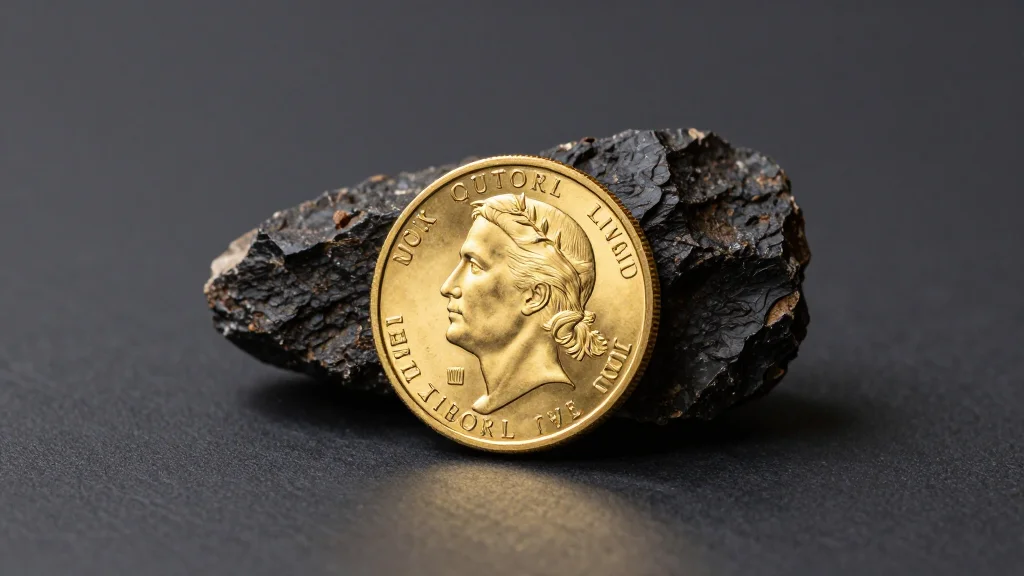
The US Mint Is Producing Tainted Coins
Why It Matters
If a significant share of government‑issued gold coins is sourced from illicit channels, it undermines statutory compliance, erodes investor confidence, and raises national security concerns.
Key Takeaways
- •U.S. Mint's gold‑coin sales generate about $3.5 billion yearly
- •Up to 20% of Mint's gold may originate from illegal sources
- •Reagan‑era law requires gold be mined in the United States
- •Treasury Secretary Bessent announced a probe into gold procurement
- •Alaska provides about 10% of U.S. gold production
Pulse Analysis
The United States Mint’s gold‑coin program, a $3.5 billion annual revenue stream, has long been marketed as a patriotic investment backed by domestic mineral resources. The legal framework, dating back to the Reagan administration, obligates the Treasury to use gold mined on U.S. soil, a requirement that resonates with collectors seeking a tangible link to American heritage. Yet the sheer scale of the program—selling millions of ounces each year—means the Mint relies on a complex network of refiners, many of which blend domestic ore with imported material, blurring the line between lawful and illicit sources.
Recent reporting by the New York Times uncovers that as much as one‑fifth of the gold entering the Mint’s West Point facility may be derived from illegal mining operations, smuggling routes, or even drug‑cartel networks. Because refined gold is fungible, refineries often melt together ore from disparate origins, making it virtually impossible for the Mint to certify the provenance of each ounce. This opacity prompted Treasury Secretary Scott Bessent to order an investigation into procurement practices, signaling heightened regulatory attention. The issue also spotlights broader weaknesses in the global gold supply chain, where lack of traceability can facilitate money‑laundering and fund conflict.
For investors, policymakers, and state stakeholders—particularly Alaska, which supplies roughly 10% of U.S. gold—the revelations carry weighty implications. A failure to enforce the domestic‑source mandate could invite congressional hearings, stricter sourcing standards, or even a redesign of the coin program to ensure compliance. Meanwhile, the potential reputational risk to the Mint may affect demand for its products, prompting collectors to seek alternative, verifiably sourced bullion. As the Treasury’s probe unfolds, the industry will watch closely for reforms that could reshape how America’s gold reserves are sourced and marketed.
The US Mint is producing tainted coins
Comments
Want to join the conversation?
Loading comments...