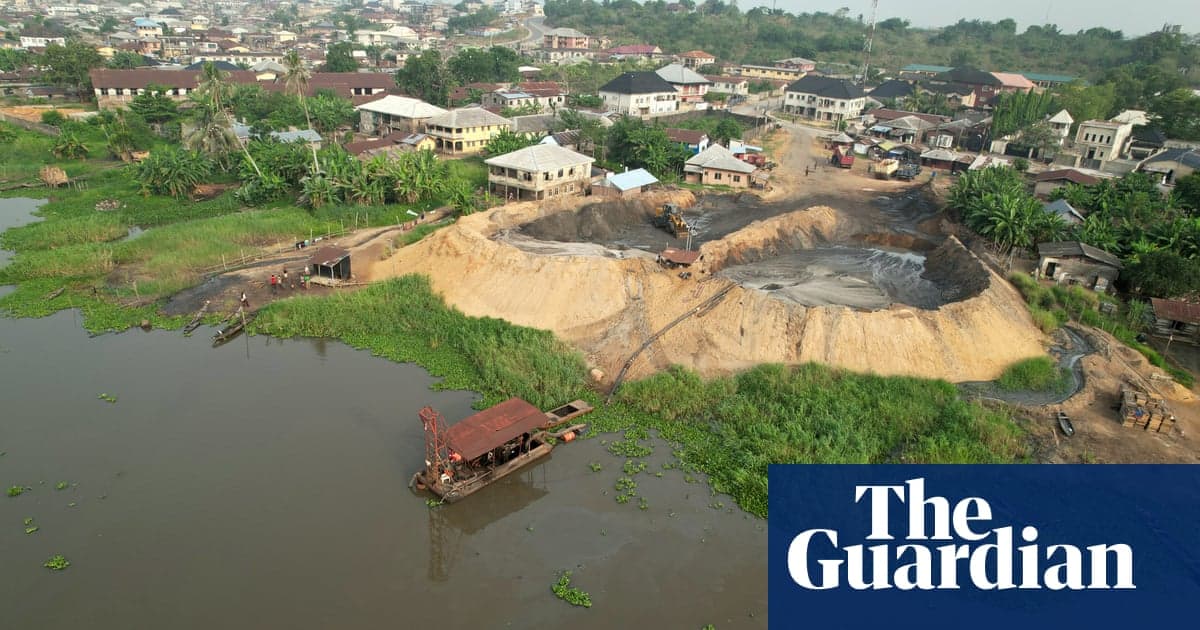
‘The Water Is No Longer Our Friend’: How Dredging Is Pushing Lagos Lagoon Towards Ecosystem Collapse – Photo Essay
Why It Matters
The crisis exposes how unchecked urban development can undermine food security, livelihoods and climate resilience in Africa’s largest city, underscoring the urgent need for stronger environmental governance.
Key Takeaways
- •Lagoon seabed lost nearly 6 m across 5 km stretch.
- •Fishermen’s incomes fell ~50% in five years.
- •30,000 naira catch now worth about $65, down from earlier earnings.
- •Unregulated dredging fuels Lagos construction, undermines ecosystem health.
- •Weak enforcement lets night‑time sand mining evade authorities.
Pulse Analysis
Nigeria’s sand demand mirrors a global surge; sharp sand ranks second only to water among extracted resources, feeding the concrete, glass and asphalt pipelines that reshape megacities. Lagos, home to over 20 million people, has turned its lagoon into a sand quarry, with dredgers operating around the clock to supply high‑rise projects and new flyovers. The physical removal of sediment deepens channels, raises turbidity and disrupts natural sediment flows, accelerating shoreline erosion and compromising the lagoon’s capacity to buffer floodwaters—a critical concern for a city already battling sea‑level rise.
For the fishing communities of Epe, Oto‑Awori and Makoko, the ecological fallout translates into stark economic hardship. Where a full net once fetched 30,000 naira (about $65) per trip, today many return empty‑handed, forcing longer voyages and higher fuel outlays. Over the past five years, household earnings have slashed roughly half, squeezing budgets for food, school fees and rent. The decline in fish stocks also inflates market prices, burdening urban consumers and threatening food security for millions who rely on the lagoon’s bounty.
Regulatory frameworks exist on paper, yet enforcement remains fragmented. Night‑time dredging, shifting sites and tacit collusion with local leaders allow operators to evade oversight, while economic incentives keep the trade lucrative—earning 10,000 naira (≈ $22) per boatload for sand divers. Experts call for a moratorium on dredging in ecologically sensitive zones, rigorous environmental impact assessments, and transparent licensing. Sustainable alternatives, such as recycled construction aggregates, could decouple development from ecosystem degradation, preserving Lagos’s lagoon for future generations.
‘The water is no longer our friend’: how dredging is pushing Lagos Lagoon towards ecosystem collapse – photo essay
Comments
Want to join the conversation?
Loading comments...