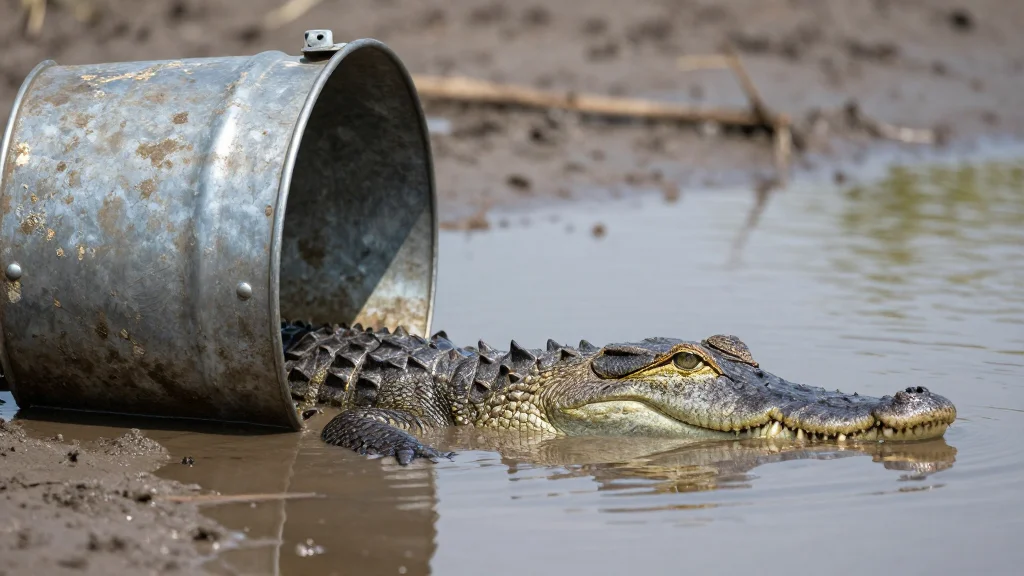
Tin Mining and Palm Oil Drive Crocodile Attacks on Indonesia’s Bangka Island

Why It Matters
The Bangka case illustrates how extractive industries can trigger cascading ecological and social crises. Wetland loss not only undermines biodiversity but also creates direct threats to human safety, eroding community trust in both the mining sector and government oversight. As global demand for tin—critical for electronics—remains high, the island’s experience serves as a warning that short‑term profit can generate long‑term costs in public health, environmental remediation, and reputational damage for companies linked to illegal operations. Moreover, the $18 billion corruption scandal highlights governance failures that enable environmental degradation. Strengthening transparency and enforcement could curb illegal mining, preserve critical habitats, and reduce the frequency of lethal human‑crocodile encounters, aligning Indonesia’s mineral ambitions with sustainable development goals.
Key Takeaways
- •21 people killed by crocodiles on Bangka Island in the past five years, according to Alobi Foundation.
- •Approximately 1,000 hectares of wetlands converted to oil‑palm plantations and 250 illegal tin‑mining sites identified in the Menduk River basin.
- •A 2024 corruption probe linked state miner PT Timah to $18 billion in public‑fund losses tied to illegal mining.
- •Indonesia recorded 665 crocodile attacks from 2017‑2019, the highest worldwide, per CrocAttack database.
- •Researchers warn climate‑driven behavior changes could further increase crocodile‑human conflicts.
Pulse Analysis
Bangka’s escalating crocodile attacks are a textbook example of how environmental externalities from mining can manifest as acute public‑safety crises. The rapid conversion of swamps into oil‑palm estates not only strips crocodiles of their natural hunting grounds but also forces them into closer contact with fishermen and villagers who depend on the same waterways. This proximity raises encounter rates, especially as hotter temperatures accelerate both human water use and reptile metabolism.
From a market perspective, the tin sector faces a reputational crossroads. While demand for tin in semiconductors and electric‑vehicle batteries is projected to grow, investors are increasingly scrutinizing supply‑chain ESG risks. The $18 billion corruption case underscores the financial exposure of companies that turn a blind eye to illegal extraction. Firms that can demonstrate robust traceability and community‑engagement protocols may secure premium contracts, whereas those implicated in illicit mining could see financing tighten as banks adopt stricter due‑diligence standards.
Policy‑wise, Indonesia has an opportunity to set a precedent by linking mining licences to mandatory habitat‑restoration commitments. A coordinated response—combining law‑enforcement crackdowns, wetland rehabilitation, and community‑based monitoring—could reduce crocodile incidents while preserving the island’s ecological heritage. If successful, Bangka could become a model for balancing mineral wealth with biodiversity protection, a narrative increasingly demanded by global consumers and regulators alike.
Tin Mining and Palm Oil Drive Crocodile Attacks on Indonesia’s Bangka Island
Comments
Want to join the conversation?
Loading comments...