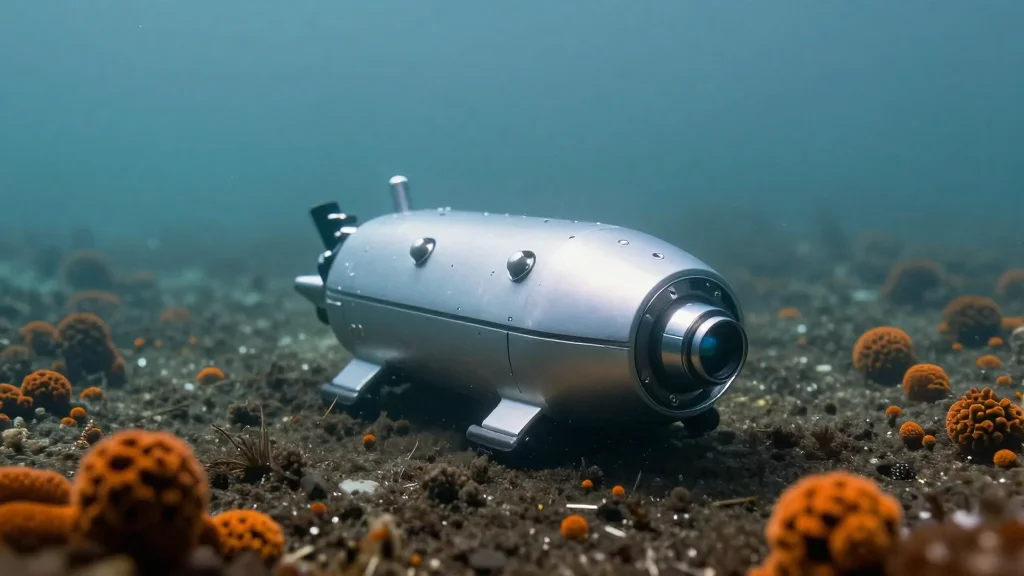
TMC and Allseas Ink Deal to Build First Commercial Deep‑Sea Nodule Recovery System

Companies Mentioned
Why It Matters
The TMC‑Allseas partnership could diversify the global supply of critical minerals essential for electric vehicles, renewable energy infrastructure and defense technologies, reducing U.S. dependence on Chinese processing capacity. By establishing a commercial deep‑sea mining operation, the venture may set a precedent for future ocean‑floor resource extraction, prompting new regulatory frameworks and industry standards. At the same time, the environmental stakes are high. Successful deployment will require robust mitigation strategies to address sediment plumes and habitat disruption, influencing how policymakers balance resource security with marine conservation. The outcome will shape investor sentiment toward deep‑sea mining and could either unlock a new frontier of mineral supply or reinforce caution among capital markets.
Key Takeaways
- •TMC and Allseas signed an agreement to build the first commercial‑scale deep‑sea nodule collector.
- •NOAA cleared TMC’s consolidated application, granting priority rights in the Clarion‑Clipperton Zone.
- •Allseas will fund a large share of pre‑production costs, recouping them from future production revenue.
- •Commissioning is targeted for Q4 2027 with full commercial production expected in 2028.
- •Shares of TMC rose 4.17% on the news, reflecting investor optimism amid execution risk.
Pulse Analysis
The TMC‑Allseas deal marks a rare convergence of engineering expertise and mineral‑supply ambition at a time when governments are scrambling to secure domestic sources of critical metals. Historically, deep‑sea mining has been limited to exploratory pilots; this partnership attempts to leapfrog to commercial scale, leveraging Allseas’s offshore construction pedigree and TMC’s strategic focus on rare‑earth independence. If successful, the model could attract additional private capital, accelerating a nascent industry that has long been hampered by high upfront costs and regulatory uncertainty.
Nevertheless, the venture faces a steep learning curve. The technical challenge of operating robotic collectors at 4,000‑plus meters depth—where pressure exceeds 400 atmospheres—has no proven precedent. Early‑stage cost overruns could strain TMC’s balance sheet, especially if the anticipated revenue‑sharing mechanism with Allseas fails to materialize as projected. Moreover, the environmental review process could introduce delays or impose mitigation requirements that increase operational expenses.
From a market perspective, the partnership could reshape the competitive dynamics of the critical‑minerals sector. A reliable ocean‑floor source of nickel, cobalt and manganese would alleviate supply bottlenecks that currently drive price volatility in battery markets. However, investors should weigh the upside against the high execution risk and the potential for regulatory pushback. The next 12‑18 months—particularly NOAA’s final permit decision—will be decisive in determining whether this deep‑sea venture becomes a new pillar of the mineral supply chain or a cautionary tale of over‑ambitious engineering.
TMC and Allseas Ink Deal to Build First Commercial Deep‑Sea Nodule Recovery System
Comments
Want to join the conversation?
Loading comments...