Trafigura Warns World’s Largest Energy Crisis Is Far From Over
Companies Mentioned
Why It Matters
The sustained supply deficit will keep energy markets volatile for months, affecting pricing, shipping logistics and global economic stability. Investors and policymakers must monitor inventory drains and diplomatic developments as the crisis reshapes commodity flows.
Key Takeaways
- •Trafigura estimates 14 million bpd oil loss, up to 20 million without alternatives
- •Brent and diesel prices sit ~60% above pre‑war levels
- •OECD inventories are depleting fast, U.S. gasoline stocks at summer‑low levels
- •Trafigura posted $4.1 bn profit, nearly triple prior year’s $1.5 bn
- •Reopening Hormuz alone won’t fix supply; logistics bottlenecks persist months
Pulse Analysis
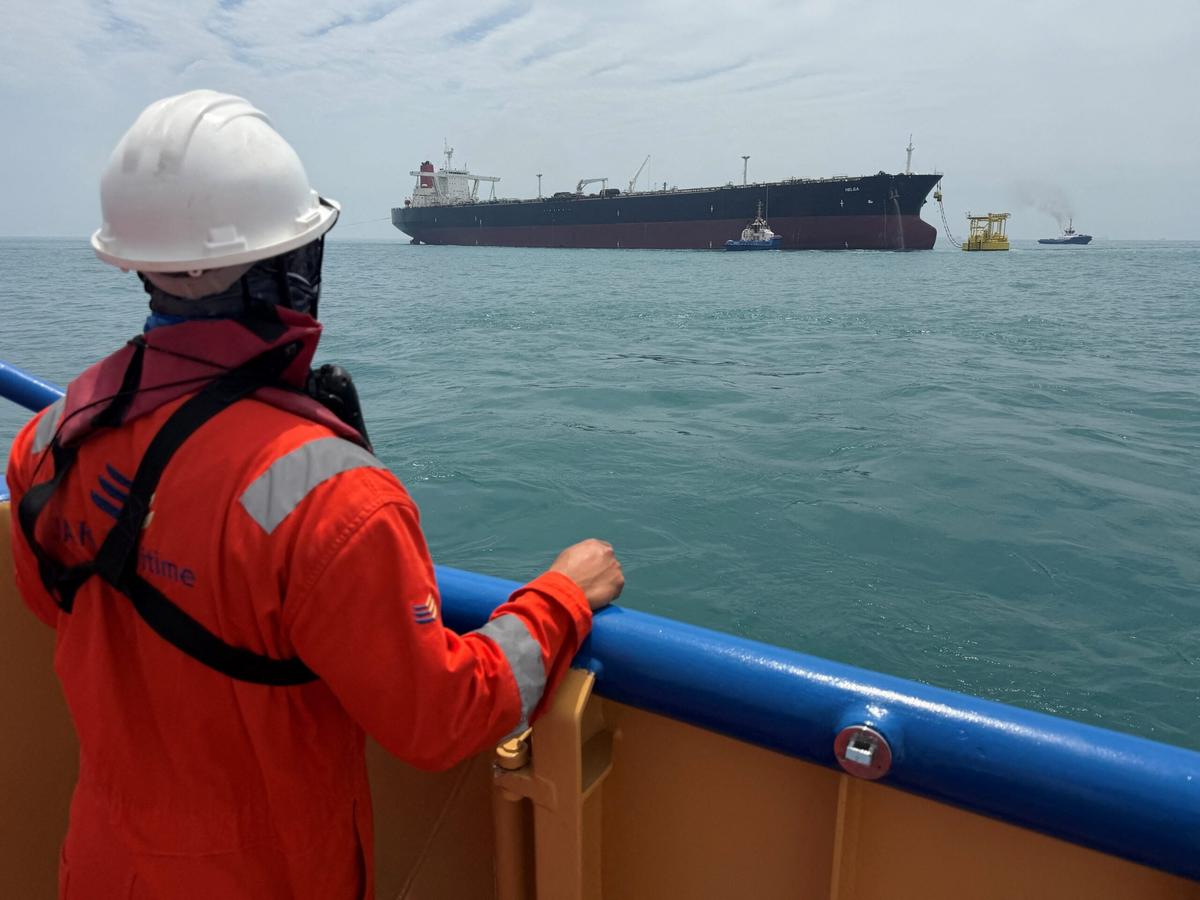
The war in the Middle East has effectively shut the Strait of Hormuz, a chokepoint that moves roughly a third of global oil trade. Trafigura’s half‑year report quantifies the shock as a loss of about 14 million barrels per day, a figure that would climb above 20 million without the makeshift pipelines and alternative routes now in use. That scale makes the current disruption the largest energy crisis on record, dwarfing the 1973 oil embargo and the 2008 price spike, and it will take months to reverse even if hostilities cease.
Despite the severe supply shortfall, Brent crude and diesel are only about 60 percent above pre‑war levels, and gasoline and jet fuel have risen 50‑70 percent. Trafigura attributes this relative price moderation to a confluence of high strategic petroleum reserve releases, robust commercial inventories, and demand destruction in Asia and Africa. However, those buffers are eroding quickly; OECD stockpiles are being drawn down and U.S. gasoline reserves have slipped to post‑summer lows. The trader’s $4.1 billion profit underscores how volatility fuels demand for its logistics and risk‑management services.
The lingering supply deficit signals a protracted adjustment period for the energy market. Even a swift reopening of Hormuz will not instantly restore flow, as depleted inventories, vessel repositioning delays, and constrained LNG output in Qatar will continue to pressure prices. Shipping firms must navigate tighter tanker markets while commodity traders like Trafigura become pivotal in matching scarce cargoes with buyers. Investors should watch inventory trends and any diplomatic moves closely, as they will dictate whether the market can transition from crisis‑driven volatility to a more stable equilibrium.
Trafigura Warns World’s Largest Energy Crisis Is Far From Over
Comments
Want to join the conversation?
Loading comments...