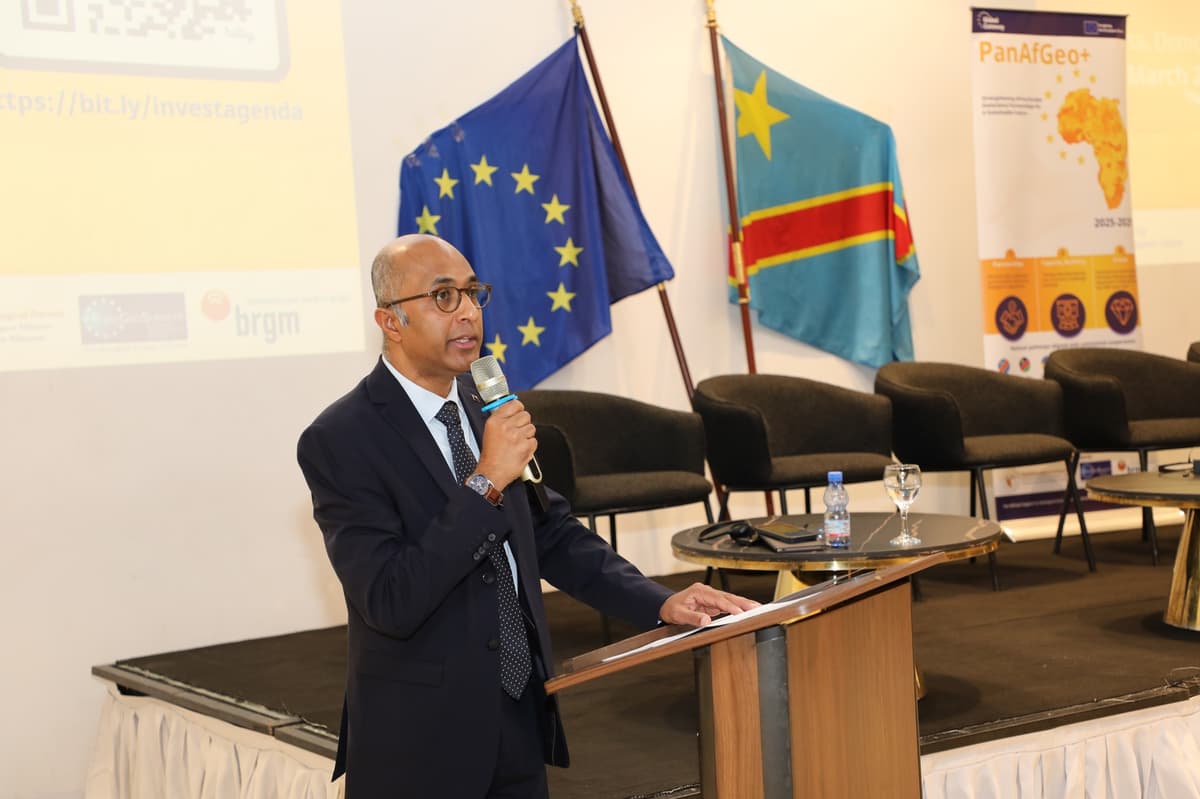
‘True Success’ Is a DRC that No Longer Needs Outside Help: Interview with EU Envoy Fabrice Basile
Why It Matters
By strengthening traceability and local value‑addition, the EU helps the DRC capture more revenue from critical minerals, supporting both economic development and regional stability.
Key Takeaways
- •EU launched PanAfGeo+ Invest, allocating €12 M ($14 M) for mineral traceability
- •“Green Corridor” pilot links Kivu east to Kinshasa, boosting trade
- •EU backs local processing to keep mineral value within DRC economy
- •Virunga park projects deliver 80% of Goma’s electricity via new power plants
- •“Everything But Arms” gives DRC duty‑free access to EU’s 500 M‑consumer market
Pulse Analysis
The Democratic Republic of Congo sits at the crossroads of the global energy transition and biodiversity preservation, holding the world’s largest cobalt reserves and the Congo Basin’s critical carbon sink. While multinational demand for its minerals has surged, the country’s chronic governance gaps have often translated into illicit trade and conflict financing. The EU’s recent focus on traceability—mirroring France’s AOC system—aims to embed digital certification into the supply chain, ensuring that every tonne of copper or lithium can be verified as Congolese. This approach not only curbs illegal extraction but also opens pathways for European manufacturers to meet stricter ESG standards, creating a win‑win for both markets.
Beyond mineral oversight, the EU is investing in infrastructure that stitches together the DRC’s fragmented economy. The "Green Corridor" pilot, a multimodal transport link from the mineral‑rich east to the port of Kinshasa, promises to slash logistics costs and stimulate cross‑border commerce. Coupled with renewable‑energy projects—such as solar‑powered mining sites and the expansion of the Inga hydroelectric complex—these initiatives reduce reliance on diesel generators and lower the carbon footprint of extraction activities. By fostering local processing facilities, the EU helps the DRC retain more of the value chain, generating jobs and tax revenues that can fund public services.
Strategically, the EU’s "Everything But Arms" (EBA) trade scheme provides duty‑free access for Congolese products to a market of over 500 million consumers, incentivizing compliance with international standards. This preferential treatment, combined with diplomatic support for the U.S.-brokered DRC‑Rwanda mineral agreement, positions the EU as a catalyst for sustainable development rather than a mere aid donor. As governance reforms take root and local ownership strengthens, the DRC could transition from a resource‑rich but conflict‑prone state to a model of responsible mineral stewardship, reshaping supply chains for the green economy worldwide.
‘True success’ is a DRC that no longer needs outside help: Interview with EU envoy Fabrice Basile
Comments
Want to join the conversation?
Loading comments...