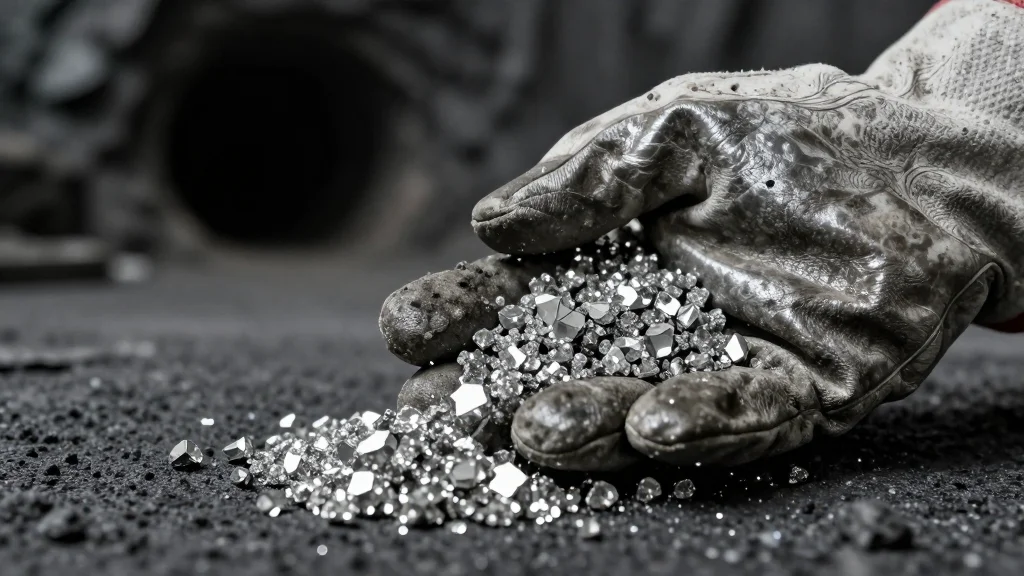
Trump Administration Proposes 10%-12.5% Tariffs on Forced‑Labor Imports, Sparing Rare Earth Minerals

Why It Matters
The proposed tariffs represent the first major U.S. trade action that directly references forced‑labor concerns for mineral imports, a sector already under scrutiny for human‑rights abuses in countries like the Democratic Republic of Congo and Myanmar. By exempting rare earth minerals, the administration balances geopolitical pressure with the need to secure critical inputs for the clean‑energy transition, potentially accelerating domestic mining projects and reshaping global supply chains. However, the move also risks sparking retaliatory measures that could disrupt the flow of other essential commodities, from copper to lithium, affecting downstream industries and price stability. For mining companies, the policy creates both an opportunity and a compliance challenge. Firms that can certify labor‑rights adherence may gain a competitive edge, while those reliant on low‑cost imports from flagged countries could face higher costs or be forced to re‑source. The broader market will watch how the U.S. enforces the exemptions and whether similar standards are adopted by allies, potentially setting a new benchmark for responsible mineral sourcing worldwide.
Key Takeaways
- •U.S. proposes 10% tariffs on 16 economies and 12.5% on 44 others for forced‑labor imports
- •Rare earth minerals, crucial for smartphones and EVs, are exempt from the new duties
- •Tariff collections fell from $31 bn in Oct 2025 to $22 bn in Mar/Apr 2026
- •USTR Jamieson Greer cited unfair competition for American workers as justification
- •China denied forced‑labor claims; spokesperson Mao Ning called the move political manipulation
Pulse Analysis
The administration’s tariff draft is a strategic pivot after the Supreme Court curtailed its earlier, broader tariff regime. By targeting forced‑labor goods while shielding rare earths, Washington signals a nuanced approach: it wants to protect domestic labor markets without jeopardizing the supply chain for technologies central to its climate agenda. This dual‑track policy could accelerate investment in U.S. rare‑earth mining projects, which have long lagged due to high capital costs and environmental concerns. Companies that can demonstrate compliance with rigorous labor standards may become preferred suppliers, reshaping the competitive landscape.
Historically, forced‑labor accusations have been a blunt instrument in trade disputes, often leading to tit‑for‑tat measures that hurt both sides. The current proposal, however, is more surgical, focusing on a specific subset of goods while offering a clear exemption list. If the U.S. can enforce the duties without triggering a full‑scale trade war, it may set a precedent for other nations to adopt similar labor‑rights‑linked tariffs, potentially raising the global bar for responsible sourcing. Conversely, if China and other major partners retaliate with counter‑tariffs on U.S. minerals or agricultural products, the mining sector could see price volatility and supply disruptions.
Looking ahead, the effectiveness of the policy will hinge on two factors: the robustness of the exemption framework for critical minerals and the ability of the U.S. to monitor and verify labor practices in foreign mines. Advances in blockchain traceability and third‑party audits could provide the transparency needed to enforce the tariffs without harming essential supply chains. For investors, the signal is clear: mining firms that prioritize ethical sourcing and diversify away from high‑risk jurisdictions are likely to benefit from a regulatory environment that increasingly ties trade policy to human‑rights compliance.
Trump Administration Proposes 10%-12.5% Tariffs on Forced‑Labor Imports, Sparing Rare Earth Minerals
Comments
Want to join the conversation?
Loading comments...