Tsurumi on Battery Powered Pump Possibilities in Mining
•March 10, 2026
0
Why It Matters
Battery‑driven pumping cuts emissions and noise, meeting stricter mining regulations while reducing reliance on diesel generators.
Key Takeaways
- •Battery unit powered two Tsurumi pumps for 40,000L each
- •Instagrid mobile storage handled peak start‑up currents
- •Zero emissions and low noise improve site compliance
- •One charge delivered 44 m³ in under 50 minutes
- •Smart Tsurumi Connect enables remote monitoring across brands
Pulse Analysis
The mining industry is under mounting pressure to lower its carbon footprint and mitigate noise pollution, especially in remote or environmentally sensitive operations. Traditional water‑drainage systems rely on grid connections or diesel‑powered generators, both of which generate emissions and require extensive fuel logistics. Recent breakthroughs in lithium‑ion and modular battery technology have made high‑power, portable energy storage viable for demanding applications. By delivering stable alternating current and handling short‑duration peak loads, these systems are poised to replace combustion engines in a range of off‑grid tasks, from lighting to heavy‑duty pumping.
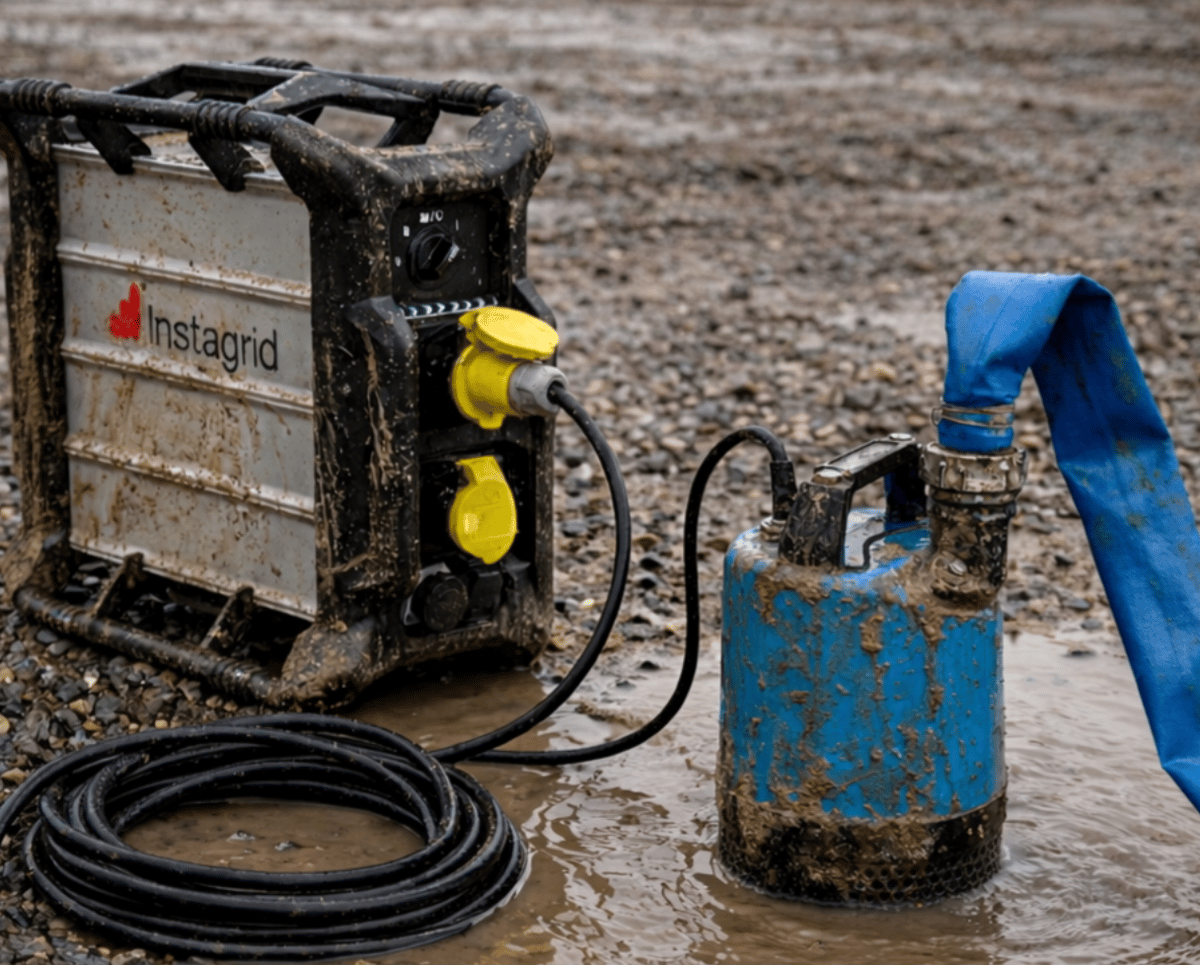
Tsurumi’s recent field trial paired its LB480 (0.48 kW) and KTV3‑55 (up to 5 kW) submersible pumps with Instagrid’s ‘Go’ and ‘Link Max’ mobile battery packs. The batteries supplied the necessary inrush current for motor start‑up and sustained continuous operation, moving roughly 40,000 litres of water per charge. Notably, the KTV3‑55 pumped 44 cubic metres in less than 50 minutes without any drop in flow rate, confirming that battery power can meet the rigorous performance standards of mining drainage. The test also highlighted the seamless integration of Tsurumi Connect, enabling remote monitoring and control across equipment brands.
The successful demonstration signals a shift toward electrified, emission‑free infrastructure on mining sites. Operators can now eliminate diesel fuel costs, reduce maintenance associated with generators, and simplify logistics by transporting only a pump, battery, and hose. Moreover, the low‑noise profile opens opportunities in noise‑restricted zones and improves community relations. As battery costs continue to decline and energy density rises, adoption is likely to accelerate, prompting equipment manufacturers to design pumps and control systems specifically for battery operation. Ultimately, battery‑powered pumping could become a standard component of sustainable mine water management strategies.
Tsurumi on battery powered pump possibilities in mining
0
Comments
Want to join the conversation?
Loading comments...