Turkey and BP Reshape the Balance of Power in Northern Iraq
•February 26, 2026
0
Why It Matters
The partnership boosts Iraq’s production capacity and reduces Iranian energy influence, while signaling Turkey’s pivot toward Western alliances, reshaping the Middle‑East power balance.
Key Takeaways
- •TPAO aims 500,000 bbl/d production by 2028
- •BP targets 328,000 bbl/d, rising to 450,000 bbl/d
- •Deal focuses on Kirkuk’s five fields, 9 bn barrel reserves
- •Associated gas target 400 mmcf/d to curb flaring
- •Partnership signals Turkey’s pivot toward Western energy bloc
Pulse Analysis
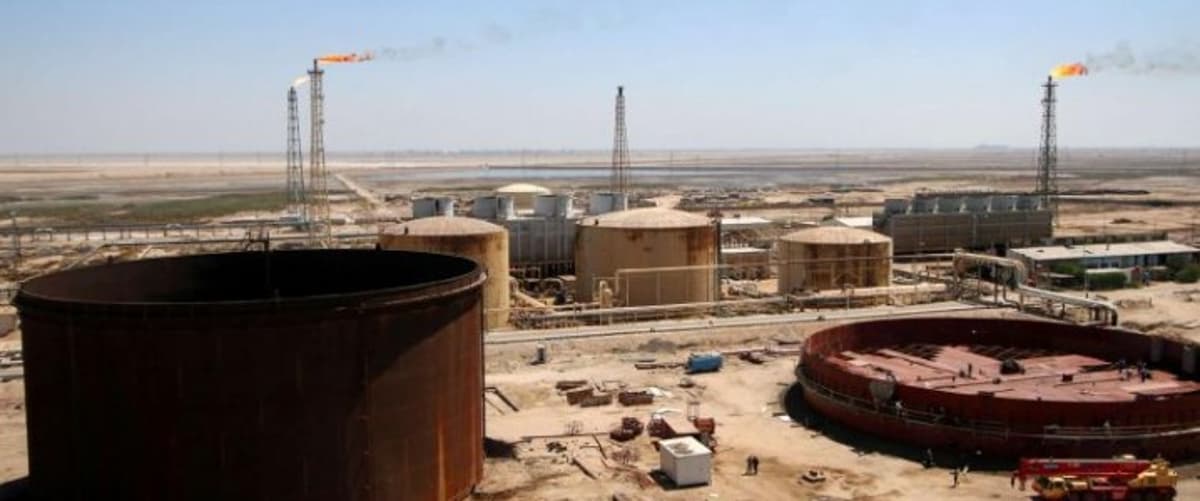
The agreement between Turkey’s state‑owned TPAO and Britain’s BP creates a joint framework for developing Iraq’s Kirkuk basin, one of the country’s most contested oil provinces. TPAO is slated to lift 500,000 barrels per day by 2028, while BP’s initial commitment is 328,000 barrels per day, with a roadmap to reach at least 450,000 barrels per day within two to three years. The five‑field package—Baba, Avanah, Bai Hassan, Jambur and Khabbaz—holds roughly nine billion barrels of proven reserves, offering a low‑cost lift price of $2‑4 per barrel, well below the global average.
Beyond the hydrocarbon numbers, the deal reshapes the regional power balance. By partnering with a NATO ally, Turkey signals a strategic swing away from its recent overtures toward Russia and Iran, aligning more closely with Washington’s renewed focus on curbing Tehran’s energy leverage. The United States, under President Trump’s second term, has intensified sanctions on Iranian‑linked entities and is urging the Kurdistan Regional Government to sever ties with Chinese and Russian firms. Consequently, the TPAO‑BP venture serves as a conduit for Western capital to re‑enter northern Iraq while marginalising Iranian influence.
The operational focus on associated gas—targeting 400 mmcf/d—offers Iraq a pathway to cut flaring, generate domestic power, and develop petrochemical feedstocks, addressing long‑standing energy security gaps. For investors, the low lifting cost and clear export corridors reduce fiscal risk, making the Kirkuk assets attractive for downstream integration. As Iraq diversifies its supply away from Iran, the TPAO‑BP partnership could catalyse further Western participation in both oil and gas projects, reinforcing a broader shift toward a more balanced Middle‑East energy landscape.
Turkey and BP Reshape the Balance of Power in Northern Iraq
0
Comments
Want to join the conversation?
Loading comments...