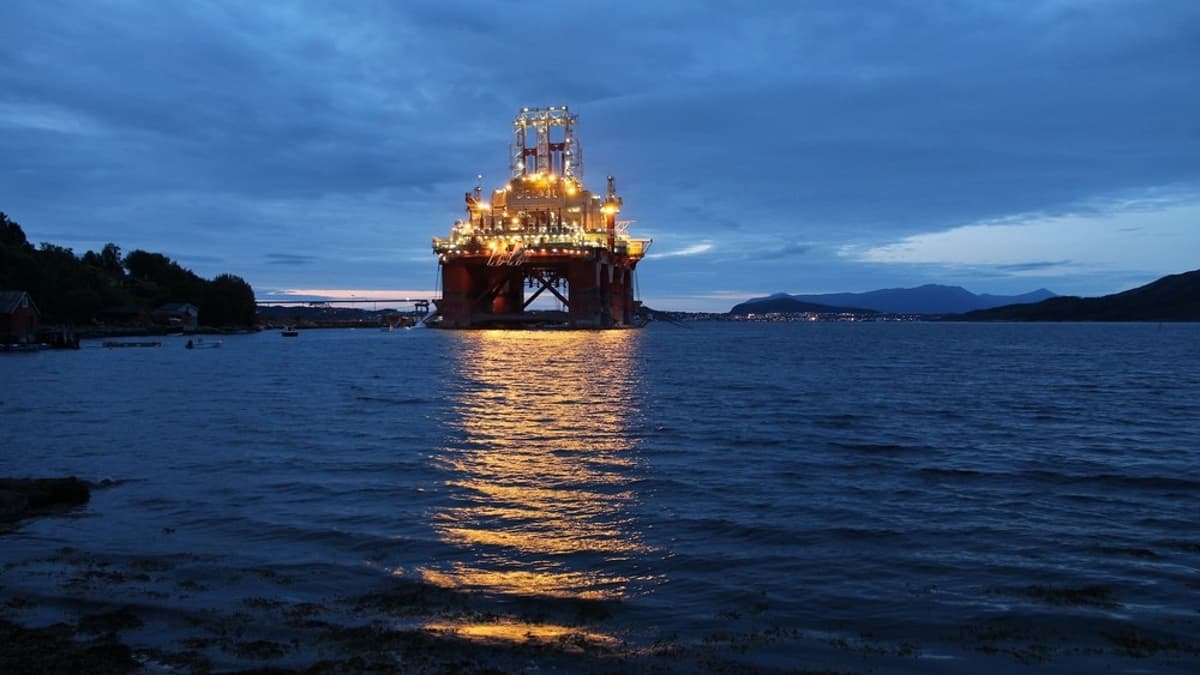
UK Moves to Ban New North Sea Oil and Gas Licences Permanently
Why It Matters
The ban reshapes the UK’s energy strategy, potentially raising import dependence while signaling a strong climate‑policy stance that could affect fiscal revenues and industry employment.
Key Takeaways
- •Ban eliminates new North Sea licences, cementing Labour's clean‑energy pledge
- •Critics warn the ban could boost UK fossil fuel imports
- •Oil and gas still supply 75% of UK energy mix
- •Rising oil prices from Iran conflict intensify pressure on policy
- •Opposition parties pledge to reverse ban to protect tax revenue
Pulse Analysis
The United Kingdom’s Energy Independence Bill formalizes a pre‑election promise to bar any new oil and gas licences in the North Sea. By embedding the ban in legislation, the Labour government seeks to position Britain as a ‘clean‑energy superpower’ by 2030, aligning with broader European decarbonisation goals. Yet the North Sea remains one of the world’s most mature offshore basins, and the decision marks a stark departure from decades of resource development that funded public services and underpinned energy security.
The ban arrives at a time when oil prices have nearly doubled following the outbreak of hostilities in Iran, exposing the UK’s heavy reliance on imported hydrocarbons. Oil and gas still account for roughly 75 % of the nation’s energy mix, and the North Sea sector contributes billions of pounds in tax receipts and thousands of high‑skill jobs, particularly in Scotland. Critics argue that eliminating new licences will erode this fiscal base, increase the trade deficit, and leave consumers vulnerable to volatile global markets.
Political pressure is mounting. Both the Conservatives and Reform UK have pledged to overturn the ban, citing job protection and revenue generation, while the U.S. ambassador has publicly urged Britain to tap its remaining reserves. If the legislation is softened, the UK could reopen dormant fields, mirroring Norway’s recent decision to reactivate three gasfields to meet demand. Conversely, maintaining the ban would signal a firm commitment to climate targets, potentially attracting green investment but risking short‑term energy security challenges. The coming months will reveal whether energy independence or economic pragmatism prevails.
UK Moves to Ban New North Sea Oil and Gas Licences Permanently
Comments
Want to join the conversation?
Loading comments...