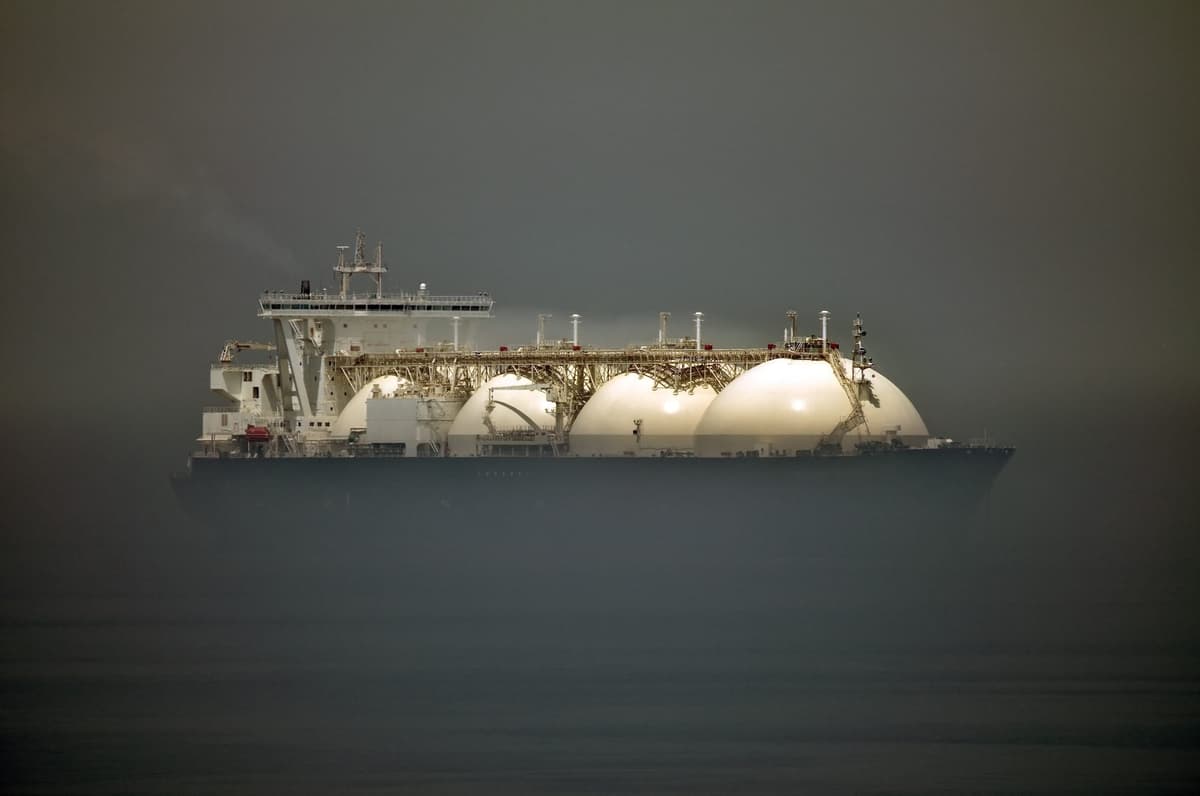
UK Targets New Arctic LNG 2 ‘Shadow Fleet’ Vessels as Russia Scrambles for Tankers
Why It Matters
The sanctions tighten pressure on Russia’s ability to move sanctioned LNG, accelerating its reliance on older vessels and Asian customers, and signal a broader G7 strategy to choke the war economy’s energy logistics.
Key Takeaways
- •UK sanctions four LNG carriers tied to Russia's Arctic LNG 2.
- •Vessels are part of Novatek's "shadow fleet" using older steam turbines.
- •Ships are en route to China, highlighting shift to Asian markets.
- •EU will ban Yamal LNG shipments to EU from 2027, increasing demand.
- •Analysts predict dozens more carriers needed for Arctic and Yamal projects.
Pulse Analysis
The United Kingdom’s decision to blacklist four liquefied natural gas carriers—Orion, Merkuriy, Kosmos and Luch—marks the first time a G7 member has directly targeted vessels tied to Russia’s Arctic LNG 2 export scheme. By alleging the ships participated in ship‑to‑ship transfers near Murmansk and are now delivering cargoes to China, London signals a willingness to disrupt the logistical chain that keeps Russian gas flowing despite Western embargoes. The move complements a broader sanctions package that also hits banks, military procurement networks and more than 20 other oil‑and‑gas vessels, tightening the net around Moscow’s war‑time economy.
Novatek’s response has been to assemble a so‑called ‘shadow fleet’ of aging steam‑turbine LNG carriers bought on the secondary market, re‑flagged and renamed to evade traditional financing and insurance restrictions. These vessels, while less efficient than modern LNG ships, provide a stop‑gap that preserves export volumes while Western insurers withdraw coverage. The reliance on such legacy assets is reshaping the global LNG charter market, driving up charter rates for older carriers and prompting brokers to scrutinize every transaction for potential links to Russia’s sanctioned logistics network.
Looking ahead, the impact will intensify once the European Union bans Yamal LNG shipments to the EU from 2027, forcing Russia to redirect even more volume toward Asia. That shift will demand dozens of additional tankers, amplifying the strategic importance of the shadow fleet and likely prompting further G7 measures aimed at curbing vessel transfers. For energy traders and investors, the evolving sanctions landscape underscores heightened geopolitical risk in the LNG sector and highlights the need to monitor shipping registries, charter contracts, and emerging Asian demand patterns.
UK Targets New Arctic LNG 2 ‘Shadow Fleet’ Vessels as Russia Scrambles for Tankers
Comments
Want to join the conversation?
Loading comments...