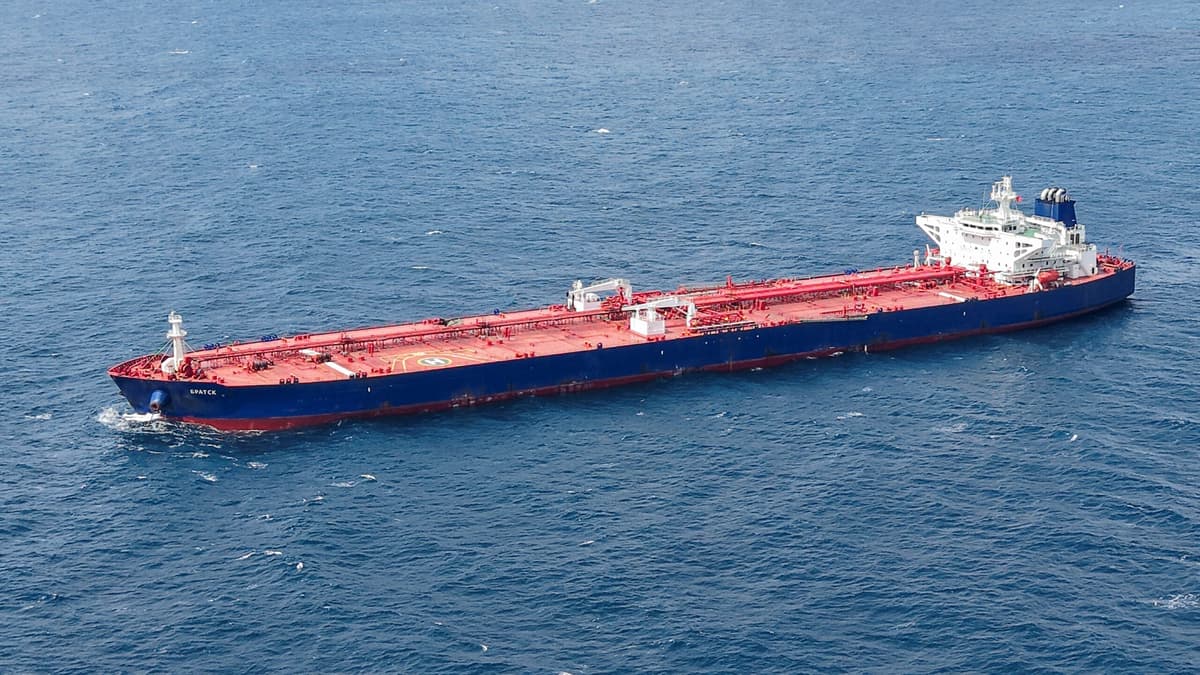
US Allows Russia Oil Sales Waiver To Expire Despite Tight Market
Why It Matters
The expiration tightens global oil supplies, likely pushing prices higher and reinforcing sanctions pressure on Russia, while energy‑dependent economies face heightened cost pressures.
Key Takeaways
- •Waiver for Russian crude on tankers expired in May 2026.
- •EU allies criticize waiver for funding Russia’s war in Ukraine.
- •India and Indonesia lobbied for extension amid Hormuz disruptions.
- •Brent prices surged as Iran war tightens supply.
- •US also let Iranian crude waiver expire, easing fuel specifications.
Pulse Analysis
The Trump administration’s temporary waiver, first issued in March 2026 and renewed in April, allowed U.S. importers to purchase Russian crude that had already been loaded onto tankers. By limiting the relief to water‑borne cargoes, the policy aimed to ease a sudden shortfall in global supply without fully abandoning sanctions that target Moscow’s war financing. Treasury Secretary Scott Bessent framed the measure as a pragmatic response to vulnerable, energy‑poor nations that were scrambling for oil after the Iran‑Israel conflict intensified.
With the Strait of Hormuz effectively closed, the world lost an estimated several million barrels per day, pushing Brent crude above $100 per barrel and sending gasoline and diesel prices higher across the United States and Europe. Asian importers such as India and Indonesia pressed Washington for an extension, fearing that a hard‑line sanctions stance would exacerbate domestic inflation and threaten energy security. The waiver’s expiration now removes a modest source of Russian supply, tightening the market at a moment when alternative shipments are scarce.
Analysts expect the United States may consider a new, narrowly‑targeted waiver if price volatility threatens economic stability, but any renewal will likely face sharper criticism from European partners who view oil sales as a direct revenue stream for Russia’s war effort. Meanwhile, the simultaneous lapse of a similar Iranian‑crude waiver signals a broader shift toward tightening sanctions in the Middle East. For investors, the combined supply shock underscores the importance of monitoring geopolitical developments, as they continue to drive oil price dynamics and reshape global energy trade patterns.
US Allows Russia Oil Sales Waiver To Expire Despite Tight Market
Comments
Want to join the conversation?
Loading comments...