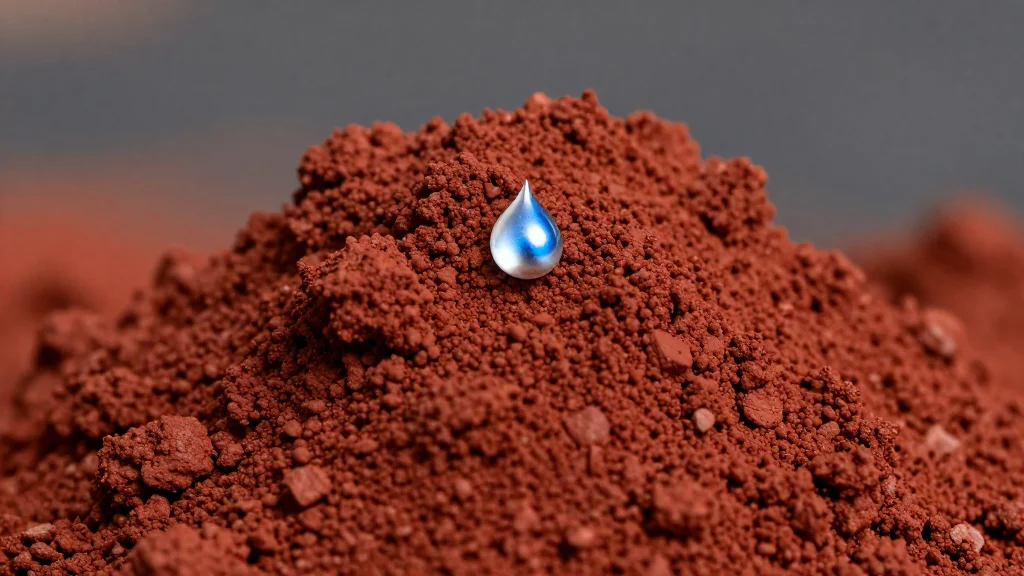
U.S. Critical Materials Taps Red Mud for Gallium and Scandium to Fuel Hypersonic Weapons

Why It Matters
The extraction of gallium and scandium from red mud directly addresses a strategic vulnerability in the U.S. defense supply chain, where dependence on foreign sources has long been a national security concern. By creating a domestic source of these critical metals, the project could accelerate the development and fielding of hypersonic weapons, a capability that many rival powers are racing to perfect. Beyond defense, the initiative demonstrates a new model for circular economy in the mining sector: turning hazardous waste into high‑value inputs. If the process can be commercialized, it may inspire similar waste‑to‑resource projects worldwide, reducing environmental footprints while bolstering supply‑chain resilience across multiple high‑tech industries.
Key Takeaways
- •U.S. Critical Materials and Columbia University launch a two‑year "Mud to Metal" project in April 2026.
- •Project targets extraction of gallium and scandium from red mud, a by‑product of aluminum production.
- •Gallium and scandium are used in 78 % of U.S. defense weapons, especially hypersonic missile guidance systems.
- •Red mud generation exceeds 1.5 billion tonnes globally each year, offering a large potential feedstock.
- •Pilot‑scale demonstration planned for late 2027, with possible DARPA and DOE funding.
Pulse Analysis
The "Mud to Metal" initiative marks a pivotal shift from traditional mining toward resource recovery from industrial waste. Historically, critical minerals have been sourced through primary extraction, a process that is both capital‑intensive and geopolitically fraught. By leveraging a waste stream that is already abundant and largely untapped, the United States can sidestep the costly development of new mines while simultaneously addressing a legacy environmental liability. This dual benefit aligns with broader policy trends that prioritize sustainability and supply‑chain security, suggesting that future defense procurement strategies may increasingly favor recycled or reclaimed inputs.
From a market perspective, successful commercialization could depress the price premium that currently exists on imported gallium and scandium, making advanced defense components more affordable and potentially spurring innovation in related sectors such as aerospace, renewable energy, and semiconductor manufacturing. However, the venture also faces technical and regulatory hurdles. The leaching chemistry must achieve high recovery rates without generating secondary waste, and any large‑scale operation will need to navigate stringent EPA oversight. If these challenges are overcome, the model could be replicated for other waste streams—phosphogypsum for rare earths, coal ash for lithium—creating a new frontier in strategic mineral economics.
Strategically, the project could blunt one of China's most potent leverage points: its dominance in the global supply of gallium and scandium. By establishing a domestic source, the United States reduces the risk of supply disruptions that could delay or derail hypersonic weapons programs, a key component of the Pentagon’s modernization roadmap. In the longer term, the initiative may also influence international standards for waste management in the aluminum industry, encouraging other nations to view their own red‑mud piles as potential assets rather than liabilities.
U.S. Critical Materials taps red mud for gallium and scandium to fuel hypersonic weapons
Comments
Want to join the conversation?
Loading comments...