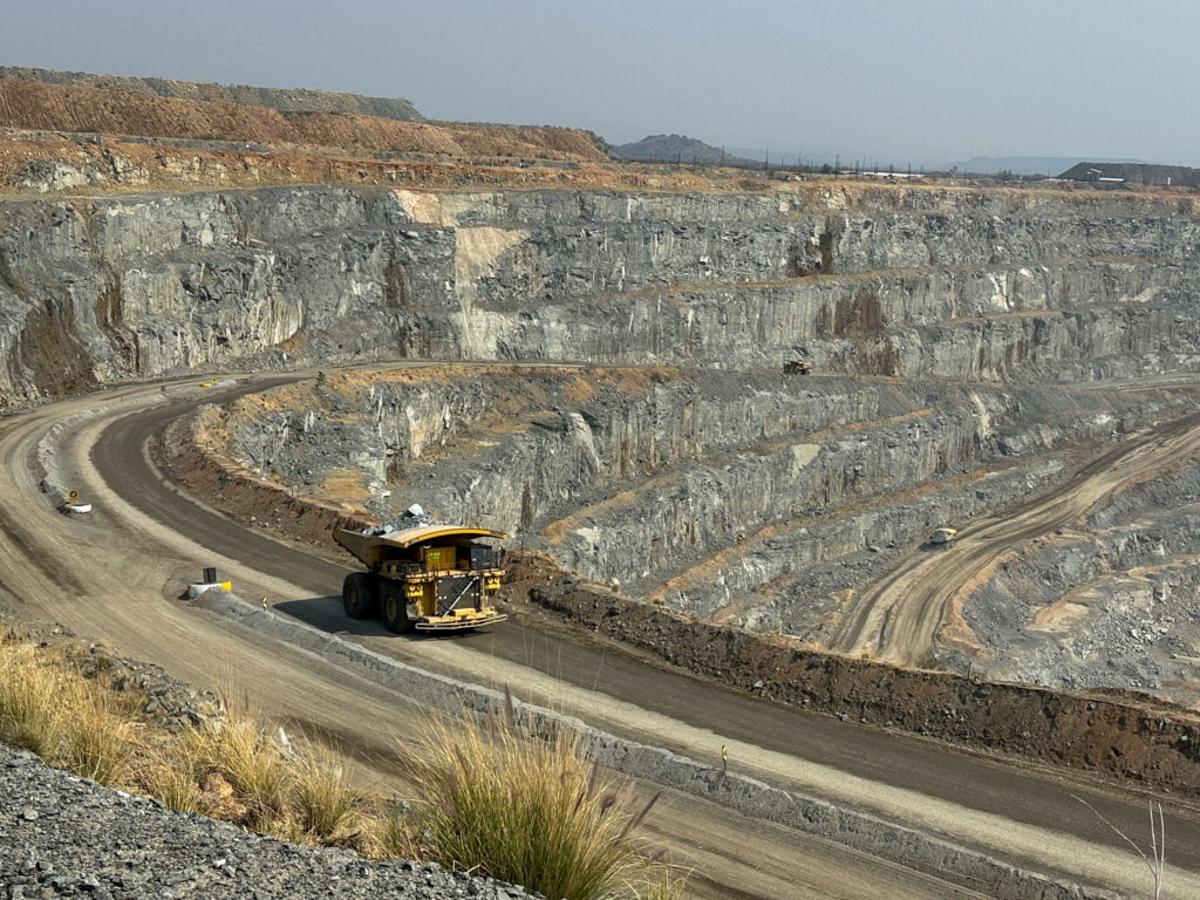
U.S. Invests in Project to Remove Rare Earth Minerals Despite Differences with South Africa
Companies Mentioned
Why It Matters
The investment reduces U.S. dependence on Chinese rare earths and bolsters defense‑grade supply chains, while signaling Washington’s willingness to fund African mining despite political tensions.
Key Takeaways
- •U.S. DFC invests $50 million in South Africa's Phalaborwa rare earths project.
- •Project targets 35 million tons of phosphogypsum waste for extraction.
- •Extraction slated to begin 2028, operating 16 years with renewable energy.
- •Rainbow Rare Earths aims to supply U.S. defense and EV markets.
- •Project proceeds despite U.S.-South Africa diplomatic rift over aid.
Pulse Analysis
The United States is accelerating its quest for critical minerals as geopolitical tensions with China intensify. Rare earth elements—essential for high‑performance magnets, electric‑vehicle drivetrains, and advanced defense systems—have become a strategic priority, prompting the Trump administration to earmark nearly $12 billion for a domestic strategic reserve. By channeling capital through the International Development Finance Corporation, Washington is not only diversifying its supply base but also signaling to allies that it will back projects that can undercut China’s dominance in the rare‑earth market.
At the heart of this strategy lies the Phalaborwa Rare Earths Project in South Africa’s Limpopo province. The initiative plans to harvest neodymium, praseodymium, dysprosium, terbium and related elements from 35 million tons of phosphogypsum—an industrial by‑product of phosphate processing. Leveraging an above‑ground extraction method that relies on up to 90 % renewable energy, the project promises lower operational costs than traditional mining. Construction of the processing plant is slated for early 2027, with production expected to commence in 2028 and continue for 16 years, positioning the venture as a low‑cost, environmentally conscious alternative to Chinese output.
Beyond the economics, Phalaborwa illustrates a broader shift in U.S. foreign‑investment policy. Even as the Trump administration has frozen other forms of aid to South Africa, it is advancing this rare‑earth venture to secure supply chains critical for national security and clean‑energy transitions. The move underscores Washington’s willingness to navigate diplomatic friction in pursuit of strategic resources, while also highlighting Africa’s emerging role as a pivotal arena in the global race for critical minerals. As other DFC‑backed projects, such as Mozambique’s Monte Muambe study, move forward, the continent could become a cornerstone of the United States’ long‑term mineral independence strategy.
U.S. invests in project to remove rare earth minerals despite differences with South Africa
Comments
Want to join the conversation?
Loading comments...