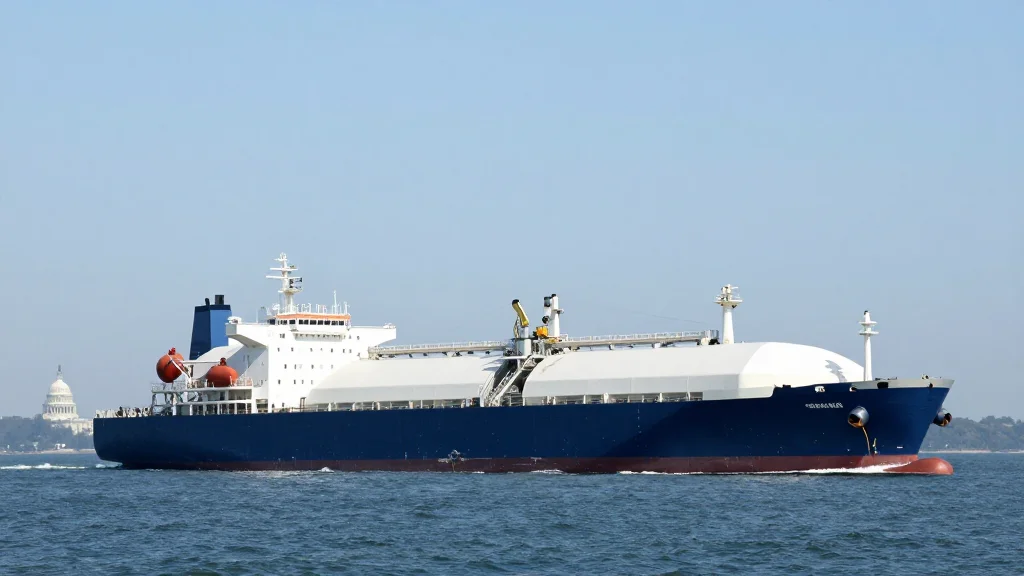
US Senators Investigate $370 Million IRS Payout to Cheniere Energy
Why It Matters
If the IRS granted the credit outside its statutory intent, it could set a precedent for costly tax subsidies to the fossil‑fuel sector and undermine confidence in tax administration. The investigation may trigger tighter oversight of energy‑related tax incentives and affect future financing for LNG exporters.
Key Takeaways
- •Senators probe $370 million IRS alternative fuel credit to Cheniere
- •Credit intended for motorboats, not 1,000‑foot LNG tankers
- •IRS response due in 45 days; Congress may subpoena
- •Cheniere’s political donations raise concerns over tax credit influence
Pulse Analysis
The Alternative Fuel Excise Tax (AFET) credit, enacted in 2005, was meant to encourage the use of non‑petroleum fuels in passenger vehicles and small motorboats. By limiting eligibility to vessels under 65 feet, Congress sought modest emissions gains without subsidizing large commercial ships. Applying the credit to Cheniere’s 1,000‑foot LNG carriers stretches the statute’s language, prompting critics to argue that the payout rewards a fuel already standard in the industry rather than fostering genuine innovation.
The Senate’s bipartisan panel, led by Sen. Jeff Merkley and Sen. Chuck Schumer, is scrutinizing the IRS’s interpretation and any potential lobbying influence. A 45‑day response window gives the agency a chance to justify its decision, but lawmakers have warned of a possible subpoena if answers remain unsatisfactory. The investigation arrives amid heightened scrutiny of corporate political spending, especially after Cheniere’s CEO contributed nearly $500,000 to a Trump‑aligned PAC following a private meeting at Mar‑a‑Lago. Such ties raise questions about whether tax policy can be swayed by campaign contributions, a concern that could reshape future oversight of tax credit allocations.
Beyond the immediate legal battle, the case signals a broader shift in how the U.S. government may treat LNG export incentives. Environmental groups argue that subsidizing LNG—still a fossil fuel—delays the transition to truly clean energy sources. If the Senate finds the credit was misapplied, it could lead to stricter definitions for alternative‑fuel subsidies and compel the Treasury to reassess similar programs. Energy firms will likely revisit their tax‑credit strategies, while policymakers may craft more precise language to prevent large‑scale commercial vessels from exploiting incentives originally designed for modest, low‑impact applications.
US Senators Investigate $370 Million IRS Payout to Cheniere Energy
Comments
Want to join the conversation?
Loading comments...