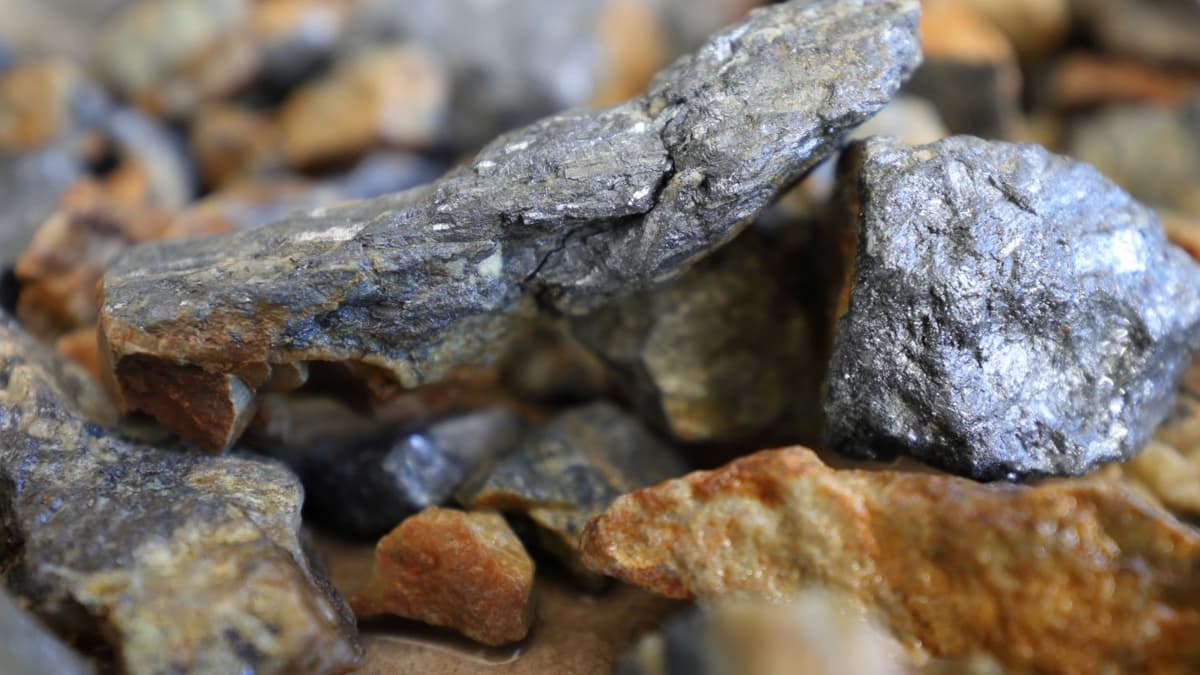
USAC Secures $27m for Domestic Critical Materials Extraction
•March 6, 2026
0
Why It Matters
The infusion accelerates U.S. strategic mineral independence, reducing reliance on hostile foreign sources for defense‑critical antimony. It also strengthens supply chain resilience for emerging energy and semiconductor markets.
Key Takeaways
- •USAC receives $27M DPA funding for antimony production.
- •Funding supports Montana expansion and Alaska extraction projects.
- •USAC contributes $3.9M, 14.4% of total cost.
- •China export ban drives U.S. domestic antimony push.
- •Sole-source DLA contract valued up to $245M awarded.
Pulse Analysis
Antimony, a versatile metalloid, underpins flame retardants, high‑performance batteries, munitions, and semiconductor components. Global demand has surged as manufacturers seek materials that can endure extreme temperatures and radiation. However, the market is heavily skewed toward China, which recently imposed an export ban on several critical minerals, including antimony. This restriction exposed a strategic vulnerability for the United States, prompting policymakers to prioritize domestic sourcing to protect defense readiness and emerging clean‑energy technologies.
The Department of War’s $27 million award to USAC, channeled through the Defence Production Act, marks a decisive step toward closing that gap. The funding will upgrade USAC’s existing Montana processing facility—enhancing capacity, efficiency, and environmental controls—while also financing a new extraction hub in Alaska, a region rich in untapped antimony deposits. USAC’s own investment of $3.9 million, roughly 14.4 % of the total project cost, demonstrates commercial confidence. Coupled with a separate sole‑source contract from the Defence Logistics Agency worth up to $245 million, the company is positioned to become the sole fully integrated antimony producer outside of China and Russia, delivering metal, trioxide, and trisulfide for both military and civilian markets.
Beyond immediate supply‑chain security, the initiative signals a broader shift in U.S. industrial policy toward strategic autonomy. By fostering domestic mining and processing capabilities, the government aims to insulate critical sectors—from defense to renewable energy—from geopolitical shocks. The investment also aligns with Executive Order 14241, which calls for a coordinated effort to secure essential minerals. As the antimony market matures, USAC’s expanded footprint could spur ancillary innovation, lower costs, and create a resilient ecosystem that supports long‑term national competitiveness.
USAC secures $27m for domestic critical materials extraction
0
Comments
Want to join the conversation?
Loading comments...