Vema Hydrogen and First Atlantic Nickel & Cobalt Sign LOI to Develop Engineered Mineral Hydrogen at Pipestone XL Awaruite Project in Newfoundland
Why It Matters
The joint venture could supply cost‑competitive, low‑carbon hydrogen to power energy‑intensive nickel‑cobalt mining, reducing reliance on imported fuels and showcasing a scalable pathway for clean energy at mineral sites.
Key Takeaways
- •Vema and First Atlantic sign LOI for 50/50 EMH joint venture
- •Pipestone XL's 30‑km ultramafic belt could power regional industry
- •Engineered Mineral Hydrogen produces hydrogen without grid electricity
- •Model pairs nickel‑cobalt mining with clean‑fuel production
- •Lab tests confirm hydrogen generation potential of Pipestone rock
Pulse Analysis
Engineered Mineral Hydrogen represents a novel approach to clean‑energy generation, leveraging naturally occurring geochemical reactions in iron‑rich ultramafic rocks. Vema’s first commercial pilot at the Thetford ophiolite in Quebec has demonstrated that hydrogen can be released without the need for external electricity, positioning EMH as a potentially cheaper alternative to electrolytic or steam‑methane reforming methods. By engineering the serpentinization process, Vema can predict output rates, de‑risk projects, and offer baseload power suitable for heavy‑industry applications.
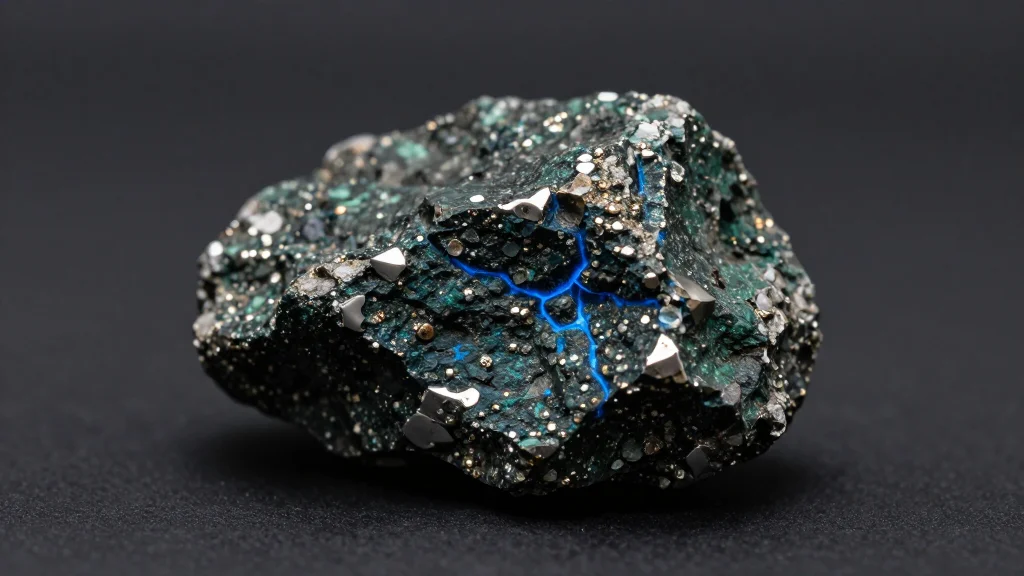
The partnership with First Atlantic focuses on the Pipestone XL project, a 30‑kilometer belt rich in awaruite—a magnetic nickel‑iron‑cobalt alloy that simplifies ore processing and eliminates acid‑mine‑drainage risks. Co‑locating EMH production with nickel‑cobalt extraction creates synergies: hydrogen can power mining equipment, reduce diesel consumption, and enable on‑site synthesis of ammonia or synthetic fuels. The 50/50 joint venture structure aligns incentives, allowing both companies to share capital costs, infrastructure, and future revenue streams while showcasing a replicable model for other critical‑mineral districts.
If the pilot scales, the implications extend beyond Newfoundland. North America faces a growing demand for low‑carbon hydrogen to decarbonize steelmaking, transport, and chemical sectors, yet supply chains remain fragmented. Demonstrating a cost‑effective, site‑specific hydrogen source could attract downstream investors, accelerate regional energy resilience, and reduce the carbon footprint of the burgeoning critical‑mineral supply chain. However, the venture must navigate permitting, financing, and technical validation hurdles before commercial rollout, making the next 12‑24 months pivotal for the EMH concept’s broader adoption.
Vema Hydrogen and First Atlantic Nickel & Cobalt Sign LOI to Develop Engineered Mineral Hydrogen at Pipestone XL Awaruite Project in Newfoundland
Comments
Want to join the conversation?
Loading comments...