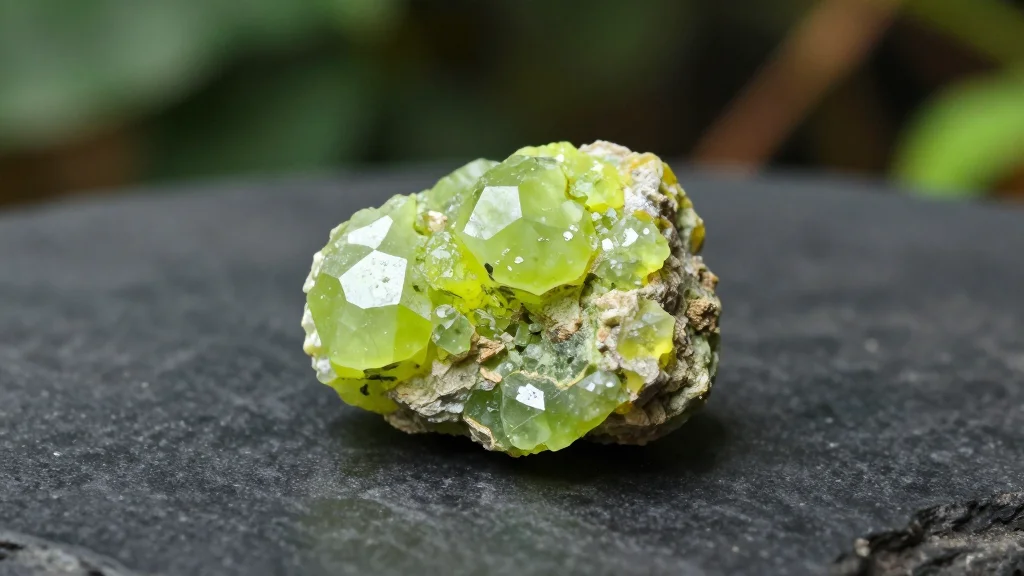
Viridis in Advanced Talks for Brazil Rare Earths Project
Why It Matters
The deal strengthens Western supply chains for critical minerals, reducing reliance on China and supporting the growing demand from EVs and defense sectors. It also signals investor confidence in new rare‑earth projects outside Chinese control.
Key Takeaways
- •Viridis negotiating off‑take with European and U.S. buyers only
- •Project cost $360‑$370 M, may increase to $400 M
- •Processing plant designed for 100 kg/h ore throughput
- •Financing expected Q3, production target late 2028
- •Western supply‑chain focus aims to avoid Chinese price suppression
Pulse Analysis
The global race for rare‑earth elements has intensified as the United States and Europe seek to insulate critical‑metal supply chains from Beijing’s dominance. Neodymium, terbium and other high‑tech minerals are essential for electric‑vehicle motors, wind‑turbine generators, and advanced defense systems. By courting Western buyers, Viridis taps into policy‑driven demand and aligns with recent U.S. Inflation Reduction Act incentives and the EU’s Critical Raw Materials Action Plan, positioning its Brazilian output as a strategic alternative to Chinese sources.
Viridis’s Colossus project represents a sizable capital commitment, with an estimated $360‑$370 million investment that could climb to $400 million if lenders require extra working capital. The newly inaugurated processing centre in Poços de Caldas can treat up to 100 kg of ore per hour, a modest but scalable start that will produce the first mixed rare‑earth carbonate. The company targets steady‑state production by the end of 2028, while securing financing in the third quarter to lock in the necessary debt and equity. This timeline aligns with the broader industry push to bring new mines online before the next wave of EV and defense procurement spikes.
If Viridis successfully finalizes Western off‑take agreements, the market could see a modest uplift in rare‑earth pricing, countering the historically low prices driven by Chinese oversupply. Investors are likely to view the project as a hedge against geopolitical risk, potentially attracting ESG‑focused capital seeking diversified critical‑mineral exposure. Moreover, the project’s success may encourage other junior miners to adopt a similar Western‑first strategy, accelerating the decoupling of the global rare‑earth supply chain from China and fostering a more resilient ecosystem for high‑tech manufacturing.
Viridis in advanced talks for Brazil rare earths project
Comments
Want to join the conversation?
Loading comments...