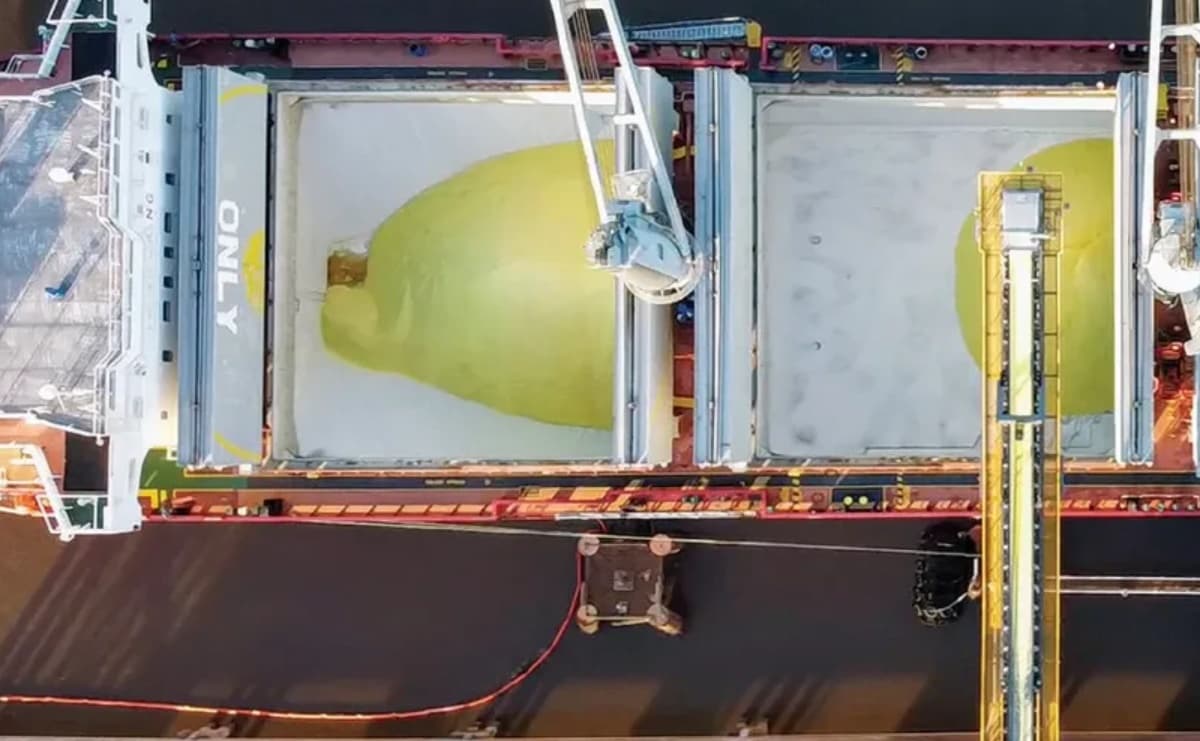
War Turns Sulphur Market Toxic in Acid Supply Shock
Companies Mentioned
Why It Matters
The sulphur shortage raises production costs for copper and nickel, threatening margins and potentially feeding higher metal prices, while fertilizer constraints could spur agricultural price spikes, impacting global inflation dynamics.
Key Takeaways
- •Global seaborne sulphur shipments fell 31% in March 2026.
- •Gulf exports dropped 65% month‑on‑month, cutting supply by 1.5 m tonnes YoY.
- •Copper and nickel producers face cost hikes; $4,000/tonne added to HPAL nickel.
- •China, Turkey ban sulphuric acid exports, tightening industrial supply.
- •Fertiliser market loses ~30% of global urea supply due to Hormuz closure.
Pulse Analysis
Sulphur, the backbone of sulphuric acid production, underpins a vast swath of industrial activity—from metal refining to fertiliser manufacturing. The abrupt closure of the Strait of Hormuz, a chokepoint handling more than half of global seaborne sulphur, has triggered the steepest monthly shipment decline in ten years. This geographic bottleneck, combined with an already softening market after a 2024 peak, has slashed global loadings to 5.9 million tonnes in Q1 2026, a near‑quarter drop from the previous year, signaling a systemic supply crunch.
The ripple effects are immediate for metal producers. Copper miners relying on solvent‑extraction and electrowinning (SX‑EW) and nickel operators using high‑pressure acid leach (HPAL) now face heightened input costs; Macquarie estimates an extra $4,000 per tonne of sulphur adds directly to Indonesian HPAL nickel production expenses, nudging LME nickel toward an 11‑week high of $18,655 per tonne. Similarly, Natixis notes that a $100 per tonne rise in sulphur translates to a 4% cost increase for Congo’s SX‑EW copper operations, feeding into broader copper price rallies above $13,000 per tonne. These cost pressures could compress margins unless producers secure alternative acid sources.
Policy responses further tighten the market. China’s imminent ban on sulphuric acid exports, Turkey’s existing prohibition, and India’s contemplated restrictions prioritize agricultural demand, which consumes roughly two‑thirds of global sulphur. The resulting competition between fertiliser and industrial users leaves the latter at a disadvantage, especially as about 30% of the world’s urea supply is stranded behind the Hormuz blockade. Stakeholders will watch diplomatic developments closely; even a ceasefire may not instantly restore balance, as the reallocation of limited sulphur will likely favor the fertiliser sector, prolonging cost pressures for metal producers and sustaining elevated commodity price trajectories.
War turns sulphur market toxic in acid supply shock
Comments
Want to join the conversation?
Loading comments...