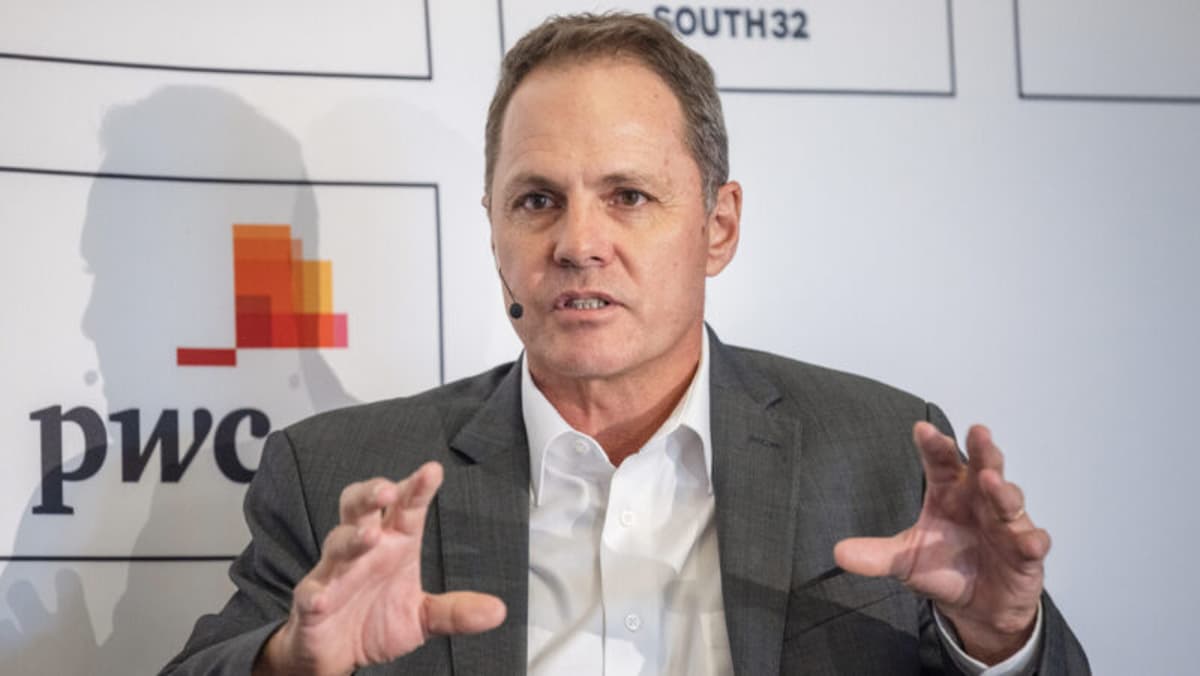
Waste Not, Want Not: DRDGold’s R2.7bn Bonanza
•February 26, 2026
0

Why It Matters
The turnaround showcases how waste‑mining and low‑cost power can generate outsized returns in a high‑gold‑price environment, reshaping investment theses for junior miners. It also signals that sustainable, unhedged models can deliver strong shareholder payouts while funding long‑term growth.
Key Takeaways
- •Market cap rose from R400m to R47bn in a decade.
- •2025 operating profit R2.7bn on R5bn revenue, 53% margin.
- •Unhedged exposure lets investors profit from gold price swings.
- •R10bn investment targets 200k ounces annual production by 2028.
- •Solar farm cut electricity costs 38%, carbon footprint 35%.
Pulse Analysis
DRDGold’s evolution illustrates the power of strategic asset repurposing in the mining sector. By converting historic dump sites into a circular‑economy operation, the company eliminated the need for deep‑level mining and leveraged South Africa’s abundant waste resources. This model, combined with an unhedged exposure to gold prices, has turned price volatility into a competitive advantage, attracting investors seeking upside without the drag of hedging contracts.
Financially, the firm’s six‑month results underscore the scalability of its cost‑control measures. A 53% operating margin—unprecedented for DRDGold—was achieved on a modest R5bn revenue base, translating into a R2.7bn profit and a historic interim dividend. The "Vision 2028" roadmap earmarks roughly R10bn for infrastructure upgrades, including a processing plant capable of handling 3 million tonnes monthly. This capacity boost is projected to lift annual gold output from under five tonnes to six, positioning the company for a 200,000‑ounce production target and sustaining high margins even if gold prices moderate.
Sustainability is central to DRDGold’s long‑term outlook. The R3bn solar farm at the Ergo site reduced electricity expenses by 38% and cut carbon emissions by 35%, creating a resilient cost base that underpins future expansions. As the industry grapples with rising power costs and ESG pressures, DRDGold’s low‑cost, renewable‑powered framework offers a blueprint for peers. Continued capital efficiency and the ability to monetize low‑grade waste could keep the stock attractive, especially if gold prices remain above the $5,000‑per‑ounce threshold.
Waste not, want not: DRDGold’s R2.7bn bonanza
0
Comments
Want to join the conversation?
Loading comments...