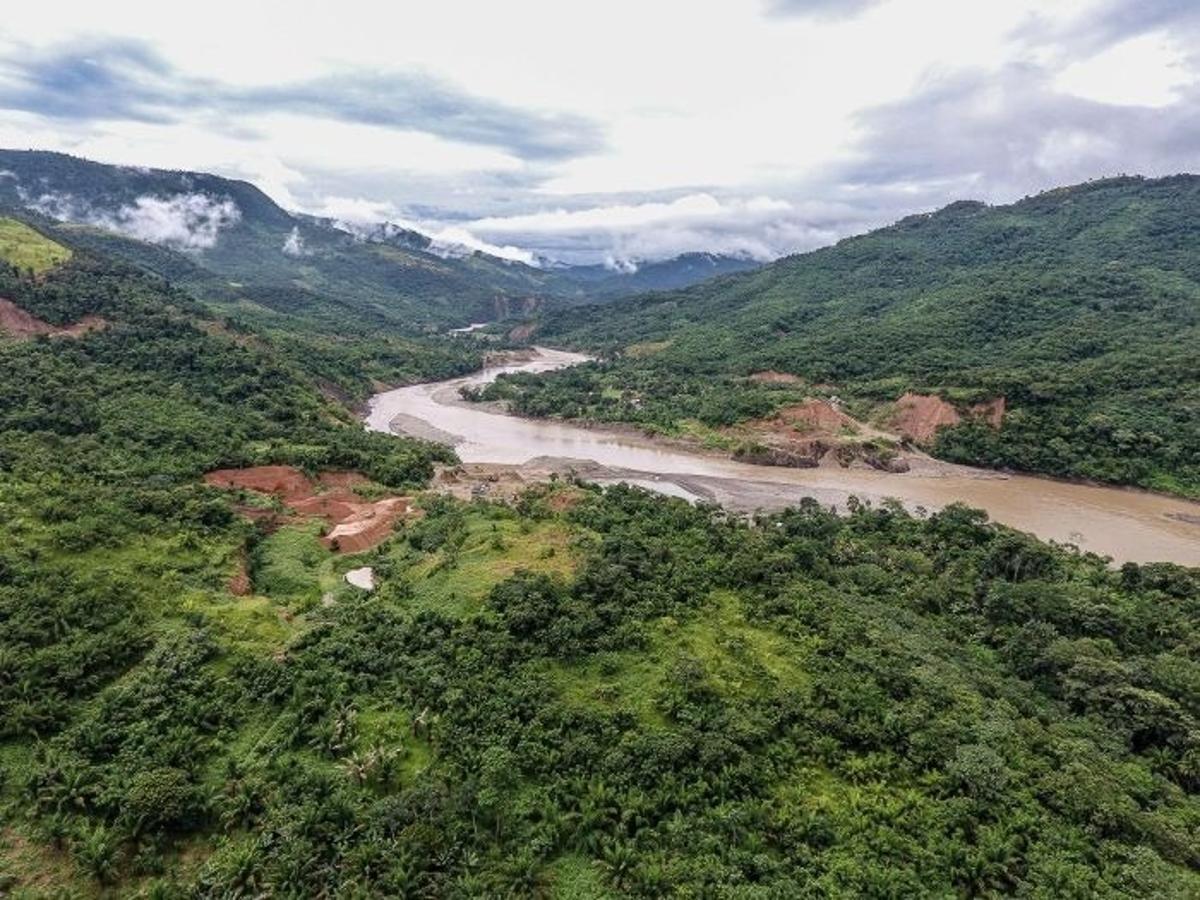
WCS Supports Amazonian Communities in Fight Against Mercury Pollution From Illegal and Small-Scale Gold Mining
•February 23, 2026
0
Why It Matters
Mercury pollution threatens public health, biodiversity, and Indigenous rights, making rapid intervention essential for sustainable development in the Amazon.
Key Takeaways
- •Illegal mining spreads mercury into Amazon rivers
- •75% of sampled residents exceed safe mercury limits
- •WCS-backed lawsuit secured landmark court ruling
- •Communities receive training for mercury‑free extraction methods
- •Fishers now know which species have lower mercury
Pulse Analysis
The Amazon’s surge in illegal and artisanal gold mining has turned rivers into conduits for mercury, a neurotoxic metal that bioaccumulates in fish and infiltrates Indigenous diets. Unlike regulated large‑scale operations, these small‑scale sites lack oversight, often operating under armed groups that bring equipment, cash, and violence into remote territories. The resulting contamination not only threatens biodiversity but also creates a public‑health crisis, with recent hair‑sample studies showing three‑quarters of residents exceeding safe exposure limits. Climate change further amplifies river flow variability, spreading contaminants deeper into floodplains.
WCS is leveraging science, law, and community empowerment to turn the tide. By training Indigenous technicians to collect and analyze biological samples, the organization generated robust evidence that fed a constitutional lawsuit, culminating in a landmark ruling that obliges authorities to address mercury releases. Simultaneously, WCS promotes mercury‑free extraction techniques and alternative livelihoods, such as sustainable agroforestry and ecotourism, reducing economic reliance on destructive mining. Targeted communication campaigns also inform fishers about species‑specific contamination, enabling safer dietary choices while preserving local income streams. Pilot projects in Ecuador have already reduced mercury use by 60%.
The Amazon case illustrates a broader shift toward integrating environmental health into human‑rights frameworks, a model that could inform policy across mineral‑rich regions worldwide. Investors and supply‑chain actors are increasingly scrutinizing provenance, and mercury‑free certification schemes may soon become a market differentiator. For governments, the WCS experience underscores the need for stronger enforcement, transparent permitting, and support for community‑led monitoring. International bodies like the Minamata Convention can leverage these successes to tighten global standards. As global demand for gold persists, scaling these collaborative approaches will be essential to safeguard ecosystems, public health, and Indigenous sovereignty.
WCS Supports Amazonian Communities in Fight Against Mercury Pollution from Illegal and Small-Scale Gold Mining
0
Comments
Want to join the conversation?
Loading comments...