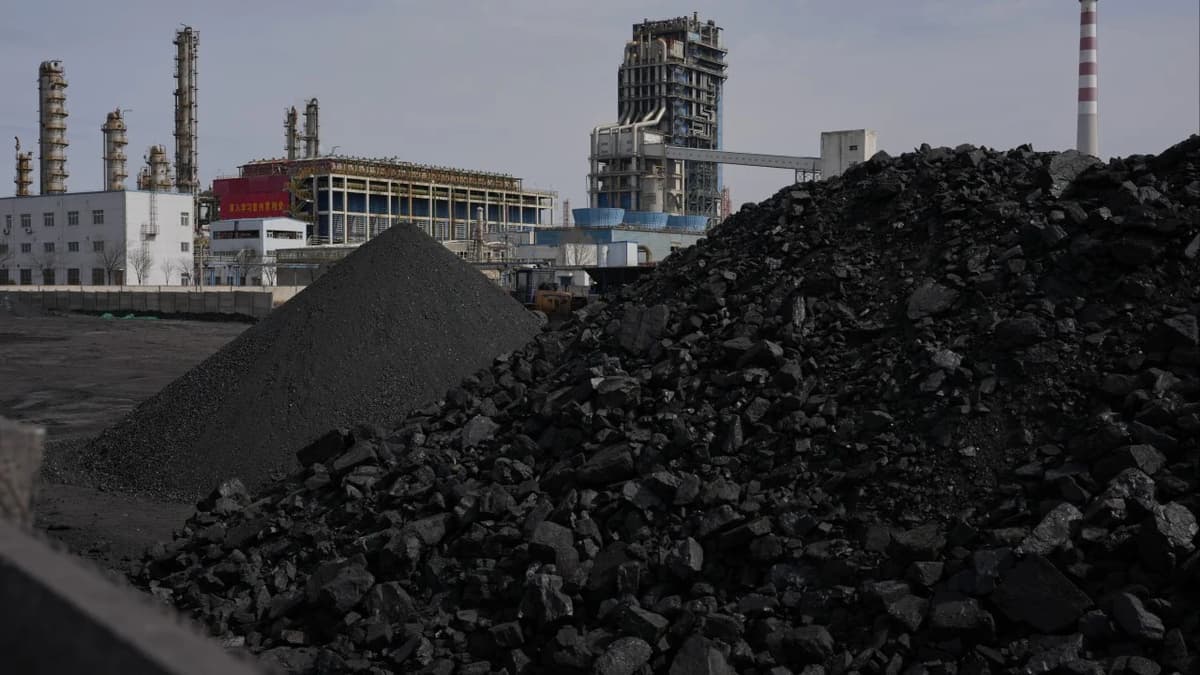
Why China Is Looking to Coal Waste as a Source of Critical Metals
Why It Matters
Turning abundant coal waste into critical metal supply reduces reliance on imports and supports China’s renewable‑energy and electric‑vehicle ambitions, while also mitigating environmental damage from waste stockpiles.
Key Takeaways
- •China extracts lithium, gallium, germanium from coal waste.
- •Integrated coal processing facilities enable large‑scale metal recovery.
- •Germanium recovery reaches ~90% at Xilingol lignite plant.
- •Mengtai Group scaling million‑tonne alloy line from fly ash.
- •Variable coal composition complicates consistent metal extraction.
Pulse Analysis
China’s aggressive push to harvest critical metals from coal waste reflects a strategic response to soaring demand for battery‑grade materials. As electric‑vehicle production and renewable‑energy storage expand, the need for lithium, gallium and germanium has outpaced traditional mining supply chains. By repurposing coal gangue and fly ash—by‑products that historically burdened land use and water quality—China not only taps a domestic resource base but also aligns with its carbon‑reduction pledges, turning a liability into a competitive advantage.
The technical edge lies in China’s vertically integrated coal‑processing ecosystem. Existing washing, chemical treatment and power‑generation facilities can be retrofitted for metal extraction, cutting capital outlays and accelerating scale‑up. Notable successes include a 90% germanium recovery rate at the Xilingol lignite site and a pilot that transformed 10,000 tonnes of fly ash into aluminium‑silicon alloy for automotive parts. Yet the process is not without hurdles; variations in coal source and blending practices cause fluctuating metal concentrations, demanding sophisticated monitoring and adaptive processing to maintain product consistency.
Globally, China’s move reshapes the critical‑metal landscape. While the United States, Australia and Russia are investing in similar technologies, they lack the extensive waste streams and integrated infrastructure that give China a head start. Successful commercialization could lower global prices, reduce pressure on primary mines, and lessen the environmental footprint of metal production. For investors and policymakers, the emerging coal‑waste‑to‑metal sector signals both a new supply avenue and a benchmark for sustainable resource recovery in the energy transition era.
Why China is looking to coal waste as a source of critical metals
Comments
Want to join the conversation?
Loading comments...