Why Heap Leaching Needs Process Discipline, Not Irrigation Logic
Why It Matters
Improved process discipline raises recovery rates, cuts operating costs, and supports compliance while addressing the looming skills gap in U.S. mining.
Key Takeaways
- •Manual visual checks miss pressure drops, reducing leach recovery
- •Pressure‑compensated irrigation and section flow control boost uniform percolation
- •Sensors and telemetry enable early detection of clogs and leaks
- •Automation cuts labor costs and supports aging U.S. mining workforce
- •Precise leach control improves water balance, compliance, and productivity
Pulse Analysis
Heap leaching remains a cornerstone of mineral extraction, yet its traditional management—relying on visual inspections and ad‑hoc valve adjustments—fails to capture subtle pressure variations that can cripple percolation. When solution pathways become uneven, ore pockets receive insufficient contact, leading to lower metal recovery and excess water consumption. These inefficiencies are magnified on large pads that operate for three to four months, where a single clogged line can affect thousands of tons of material before operators notice a dip in performance.
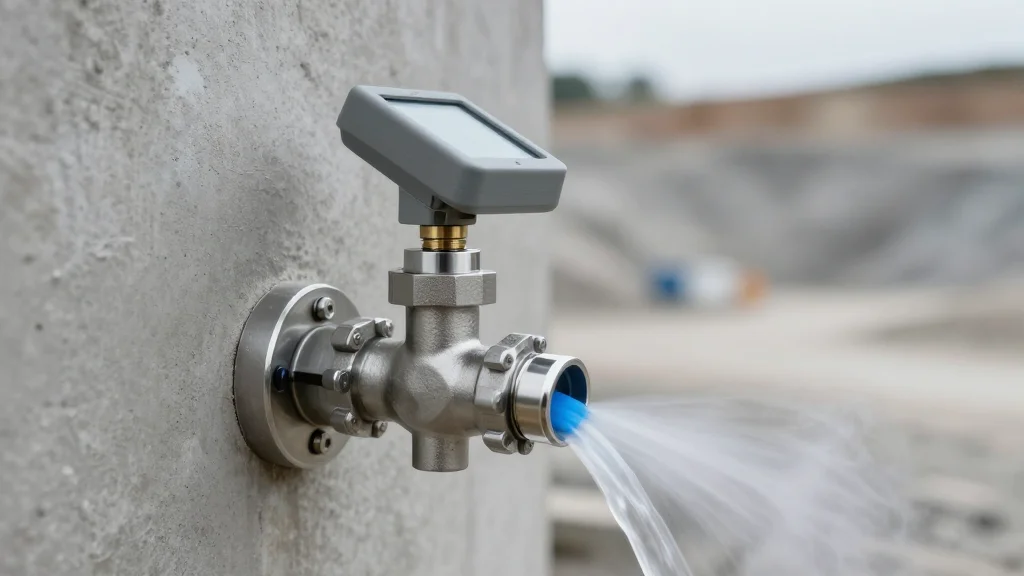
Modern mining technology reframes leaching as a data‑rich process. Pressure‑compensated sprinklers, section‑level flow meters, and automated valve networks provide continuous telemetry that flags clogs, pressure drops, or over‑irrigation in real time. Coupled with analytics platforms, operators can predict blockages before they form, balance water usage across the heap, and fine‑tune chemical dosing for optimal extraction. The result is a measurable lift‑to‑lift recovery boost, reduced labor for field checks, and extended equipment life thanks to better filtration and chemical‑resistant tubing.
The move toward disciplined leach control dovetails with broader digital‑mining trends highlighted in Deloitte’s 2026 outlook: connected operations, AI‑enabled decision making, and a shrinking skilled workforce. As more than half of the U.S. mining labor pool retires by 2029, standardized, remotely monitored systems will become essential for maintaining productivity and regulatory compliance. Mines that adopt precise leach monitoring gain a competitive edge—improved water balance, lower operating costs, and a resilient, future‑proofed operation that can scale with evolving market demands.
Why heap leaching needs process discipline, not irrigation logic
Comments
Want to join the conversation?
Loading comments...