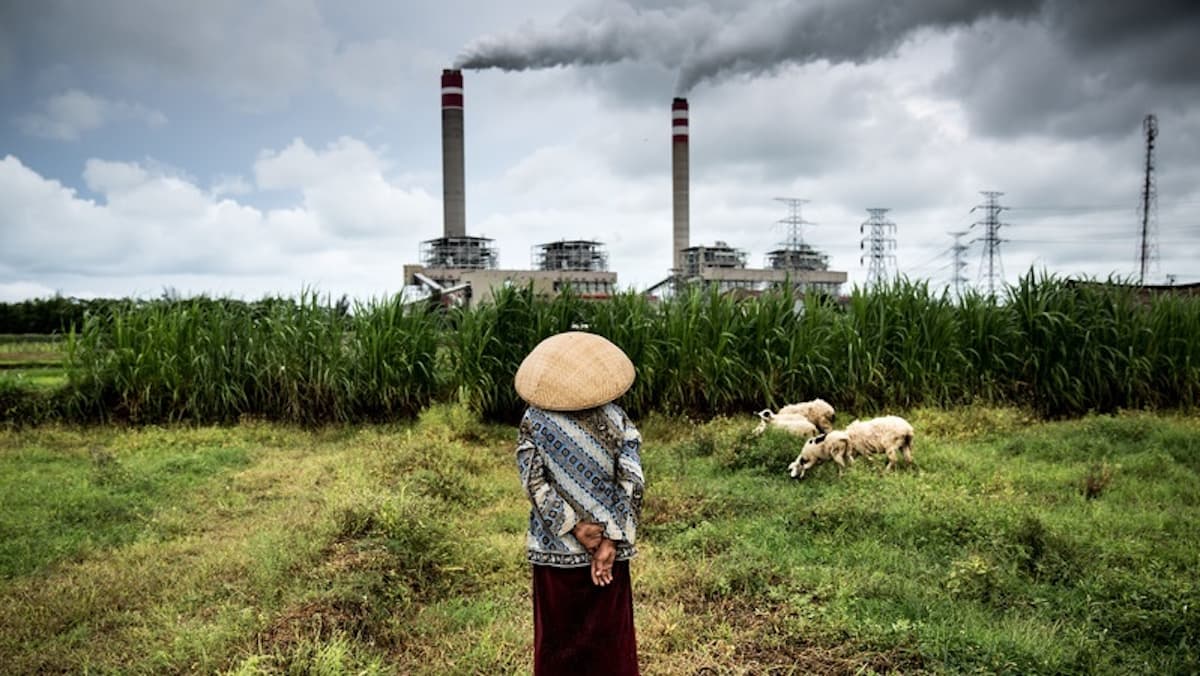
Why Japan Should Help Pay for Indonesia’s Coal Exit
Why It Matters
Targeted financing for affected communities reduces social resistance and accelerates Indonesia’s decarbonisation, while reinforcing Japan’s strategic influence in Southeast Asia’s energy transition.
Key Takeaways
- •Japan‑Indonesia just‑transition fund targets West Java, East Kalimantan.
- •Coal supports Indonesia’s revenue; phase‑out threatens jobs and services.
- •Funding would prioritize reskilling, diversification, and local governance.
- •Existing climate finance focuses on projects, not community livelihoods.
- •Bilateral fund aligns Japan’s tech capital with Indonesia’s decarbonisation goals.
Pulse Analysis
Indonesia’s coal sector underpins regional economies, especially in West Java’s industrial corridors and East Kalimantan’s mining hubs. As the government commits to net‑zero targets, the scale of required investment—tens of billions of dollars—extends beyond new renewable capacity to the livelihoods of millions who depend on coal. Traditional climate finance streams, while effective at retiring plants and building solar farms, often neglect the socioeconomic ripple effects that can stall policy implementation and provoke local opposition.
A dedicated Japan‑Indonesia just‑transition fund would fill this gap by channeling resources directly to the most vulnerable communities. By earmarking money for reskilling programs, small‑business incubation, and sustainable agriculture, the fund can diversify local economies and create pathways into emerging green industries. Transparent, joint governance structures would ensure that allocations match on‑the‑ground needs, fostering trust among workers, local officials, and investors. This place‑based approach contrasts with broader, fragmented initiatives that struggle to reach the people most at risk.
Strategically, the partnership offers mutual benefits. Japan can leverage its financial depth and low‑carbon technology expertise to maintain influence in Indonesia’s energy landscape, supporting its own climate commitments and securing market access for Japanese clean‑tech firms. For Indonesia, the infusion of targeted capital mitigates the political risk of abrupt coal retirements, keeping the transition on schedule. Together, the bilateral fund exemplifies how climate action and economic justice can be pursued simultaneously, setting a precedent for other coal‑dependent economies in the region.
Why Japan should help pay for Indonesia’s coal exit
Comments
Want to join the conversation?
Loading comments...