Companies Mentioned
Why It Matters
Reliable, high‑performance connectivity is becoming critical infrastructure for mines, directly affecting productivity, safety, and the ability to scale autonomous operations. Private 5G offers a measurable business advantage over legacy Wi‑Fi, accelerating digital transformation in the sector.
Key Takeaways
- •Private 5G replaces Wi‑Fi trailers in open‑pit mines.
- •Ericsson’s network cuts downtime and improves safety in remote sites.
- •Scalable cellular coverage enables autonomous equipment and remote monitoring.
- •Reduced network re‑tuning lowers maintenance overhead and operational complexity.
- •Reliable connectivity drives digital transformation and higher material movement.
Pulse Analysis
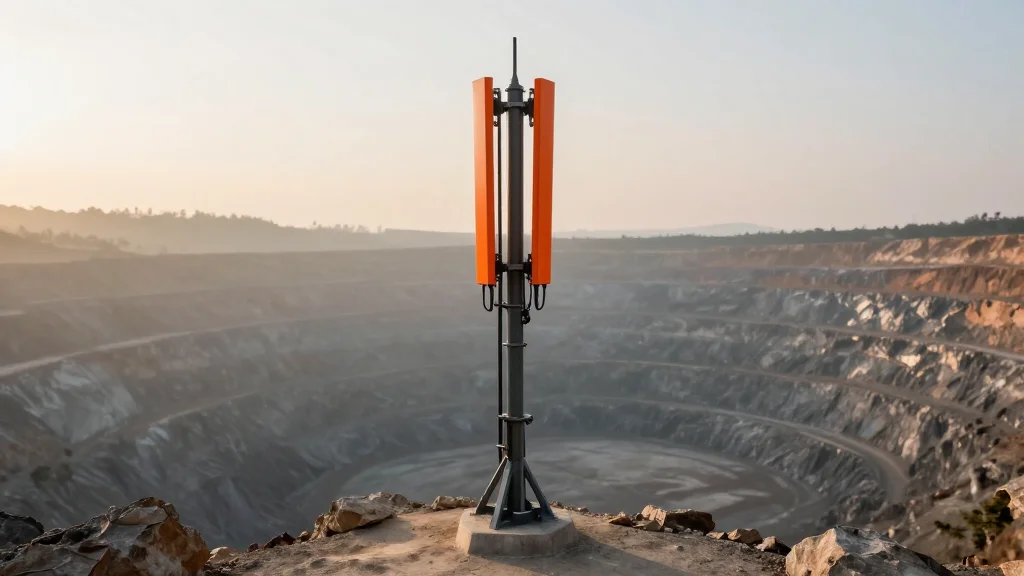
Mining environments have always tested the limits of communications technology. In open‑pit operations, the sheer size of the site can stretch Wi‑Fi signals beyond their typical 100‑meter range, forcing operators to deploy a fleet of mobile trailers that must be constantly repositioned as the pit expands. Underground tunnels add another layer of difficulty, with rock formations, metallic equipment, and high temperatures creating interference that degrades signal quality. The result is frequent connectivity gaps that interrupt real‑time telemetry, video feeds, and the coordination of autonomous vehicles, ultimately eroding productivity and increasing safety risks.
Private cellular networks, particularly 4G and emerging 5G solutions, are engineered to overcome these constraints. By installing a dedicated base‑station architecture across the mine, operators gain uniform coverage that penetrates both surface and subsurface zones, delivering low‑latency, high‑bandwidth links essential for machine‑control and remote‑operated equipment. Ericsson’s deployments with a global gold miner illustrate the impact: Wi‑Fi trailers were retired, network re‑tuning tasks dropped, and downtime fell noticeably during peak production periods. Moreover, workers can remain outside hazardous zones while still accessing real‑time data, boosting both safety metrics and operational efficiency.
The shift toward private 5G is reshaping the mining value chain. Reliable connectivity becomes a foundational asset, enabling advanced analytics, predictive maintenance, and fully autonomous fleets that can operate with minimal human oversight. As more firms adopt this infrastructure, the cost of scaling digital initiatives declines, and the competitive advantage of faster, safer production grows. Industry analysts predict that by 2030, a majority of large‑scale mines will rely on private cellular networks, making the technology a prerequisite rather than an optional upgrade for any miner seeking to stay ahead in the era of smart, data‑driven extraction.
Why mining operations are outgrowing Wi-Fi
Comments
Want to join the conversation?
Loading comments...