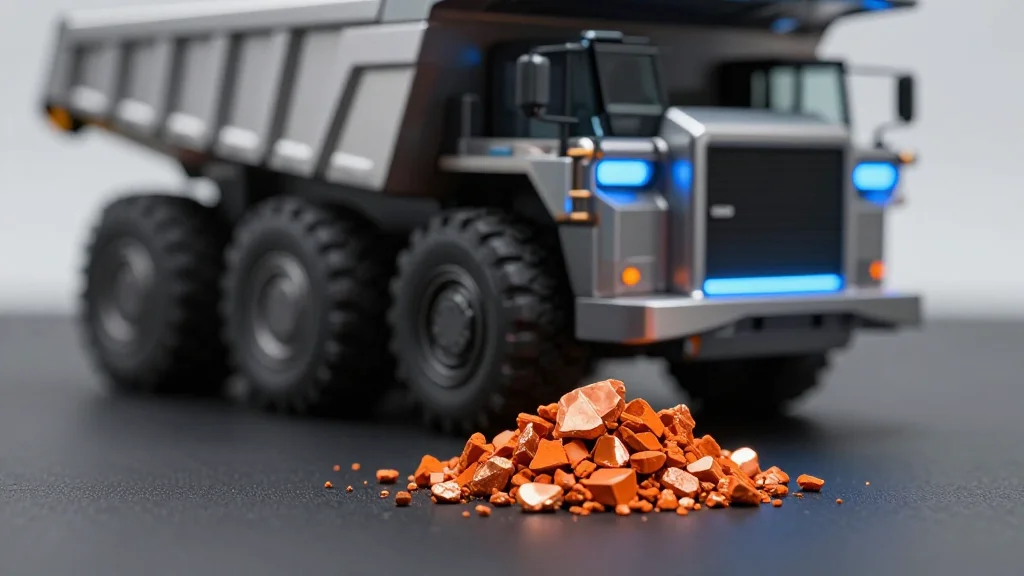
Why the Biggest Copper Production Bottlenecks Are Now Operational, Not Geological
Companies Mentioned

Why It Matters
Operational limits now cap copper supply, threatening the pace of electrification and renewable‑energy projects that depend on the metal. Addressing these constraints with digital and electrified solutions is critical for sustaining growth and meeting climate goals.
Key Takeaways
- •Operational delays now limit copper output more than ore scarcity
- •Power shortages and aging equipment constrain mine throughput
- •ABB's electrified conveyors cut energy use and increase capacity
- •AI-driven scheduling improves labor efficiency in copper mines
- •S&P Global forecasts 30% demand rise by 2030 from clean tech
Pulse Analysis
Copper has moved from a background commodity to a strategic cornerstone of the global transition to clean energy. S&P Global estimates that demand for the metal will surge by roughly 30 % by 2030, driven by electric vehicles, renewable‑energy infrastructure, data‑center expansion and AI hardware. This rapid uptake is outpacing the growth of new mines, placing pressure on existing operations to deliver more output from the same ore bodies. As a result, the industry’s focus has shifted from discovering new deposits to squeezing more production out of current sites.
The bottleneck is no longer the geology of ore bodies but the operational fabric of mines. Power constraints, aging conveyor systems, limited automation and labor shortages now dictate throughput limits. In many regions, insufficient grid capacity forces producers to rely on diesel generators, raising costs and emissions. Equipment downtime and inefficient material handling further erode productivity, while supply‑chain disruptions add latency to critical components. These operational frictions collectively cap the ability to meet the soaring demand despite ample reserves.
ABB is positioning its Process Industries division to untangle these constraints through electrified, gearless conveyor technology and AI‑driven mine‑wide optimization. The company’s heavy‑duty gearless conveyors consume up to 40 % less electricity than traditional gear‑driven units while delivering higher reliability and faster speeds. Coupled with digital twins and predictive maintenance analytics, operators can anticipate failures and balance power loads in real time. Early adopters report throughput gains of 10‑15 % and a measurable reduction in carbon intensity, signaling a path toward meeting future copper demand sustainably.
Why the biggest copper production bottlenecks are now operational, not geological
Comments
Want to join the conversation?
Loading comments...