Woodside’s Delayed Browse LNG Project Cost Estimate Climbs to $35B
Why It Matters
The cost surge and CCS integration reshape the economics of Australia’s LNG expansion, while regulatory scrutiny could set precedents for future high‑carbon projects in sensitive marine zones.
Key Takeaways
- •Cost rises to A$48.7bn ($35.2bn) after adding CCS.
- •Project could create 3,068 jobs and $40.6bn in taxes.
- •CCS cuts emissions 47% and stores 4Mt CO₂ yearly.
- •Approval pending; environmental groups fear impact on Scott Reef.
- •Partners include BP, Mitsui, Mitsubishi, and PetroChina.
Pulse Analysis
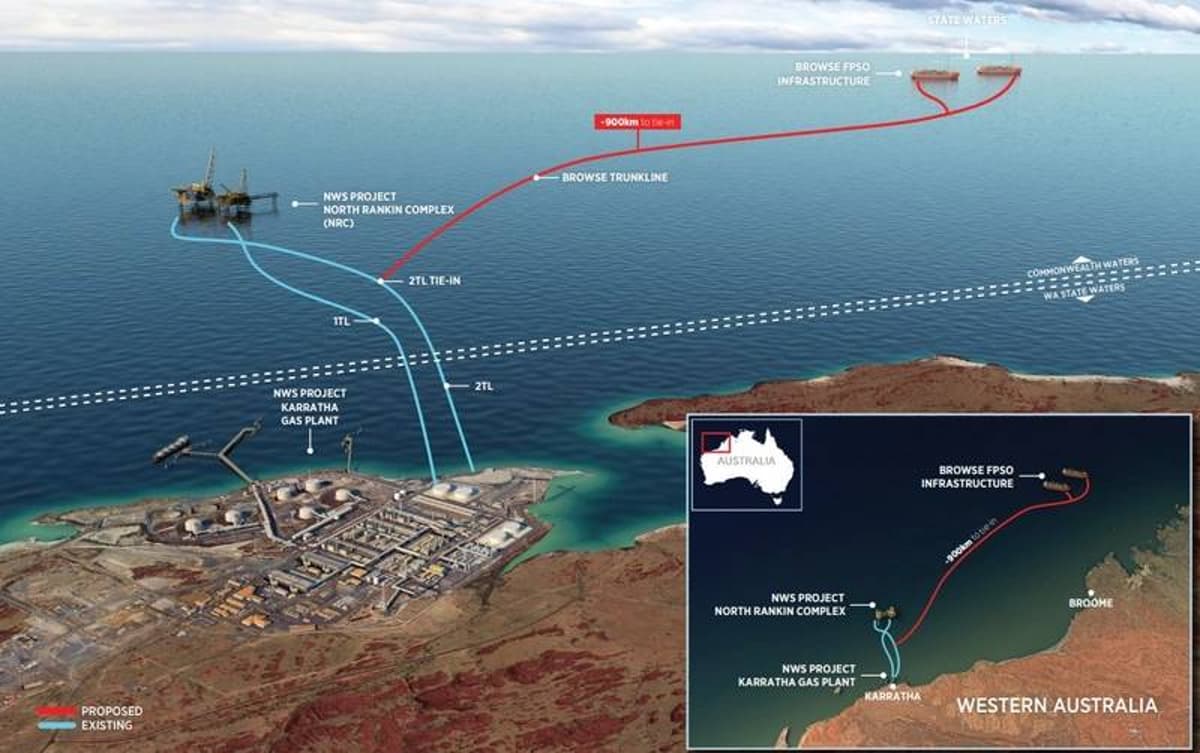
The Browse LNG venture marks a pivotal moment for Australia’s energy landscape, as Woodside’s revised A$48.7 billion price tag reflects both inflationary pressures and the strategic insertion of carbon‑capture technology. By linking the new offshore fields to the aging North West Shelf plant—recently granted a 40‑year life extension—Woodside aims to secure long‑term feedstock for one of the country’s most profitable export assets. The financial uplift, however, comes with heightened scrutiny, as the Deloitte study highlights a substantial tax contribution that could bolster federal revenues amid a tightening fiscal environment.
Central to the cost escalation is the CCS component, designed to sequester up to four million metric tons of CO₂ annually and slash direct emissions by 47 percent. While the technology promises to align the project with emerging net‑zero targets, environmental NGOs warn that the associated infrastructure could jeopardize the fragile Scott Reef ecosystem, home to endangered pygmy blue whales and green turtles. The Australian environment department is slated to issue its final recommendation within weeks, making the regulatory outcome a bellwether for future offshore developments that blend fossil extraction with mitigation measures.
Market analysts view the Browse project as a litmus test for the viability of large‑scale LNG in a decarbonising world. If approved, the consortium—comprising BP, Japan’s Mitsui and Mitsubishi, and PetroChina—will demonstrate that multinational partnerships can marshal the capital and expertise needed for megaprojects under stringent environmental constraints. Conversely, a rejection could accelerate a shift toward renewable gas alternatives and reinforce Australia’s pivot toward green hydrogen and ammonia exports, reshaping the country’s export mix for the next decade.
Woodside’s Delayed Browse LNG Project Cost Estimate Climbs to $35B
Comments
Want to join the conversation?
Loading comments...