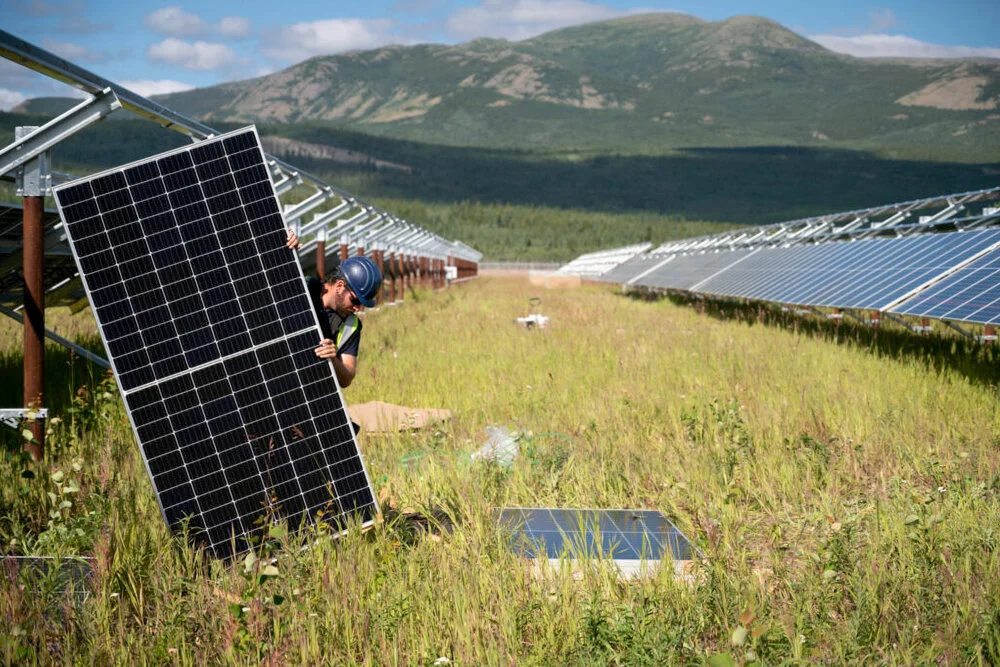
Yukon Backs Solar Power at Coffee
Why It Matters
The initiative cuts diesel dependence and greenhouse‑gas emissions while showcasing a replicable renewable‑energy model for remote mining, bolstering economic opportunities for Yukon First Nations and supporting Canada’s low‑carbon goals.
Key Takeaways
- •1.075 MW solar plus batteries to power Coffee Gold Project by 2027
- •Diesel use cut by ~580,000 liters annually, lowering emissions
- •Yukon’s Good Energy Program funds the renewable installation via federal low‑carbon fund
- •First Nations’ Copper Niisüü will own and rent the system to Talamore
- •Project could produce 217,000 oz gold yearly, backed by $220 M investment
Pulse Analysis
Remote mining operations have long relied on diesel generators, a costly and carbon‑intensive solution that also poses logistical challenges in the North. Shipping fuel to isolated camps adds hundreds of thousands of dollars to operating budgets and creates a steady stream of emissions. Solar photovoltaic systems, especially when paired with battery storage, offer a way to generate reliable power on‑site, reduce fuel transport costs, and align with growing regulatory pressure to lower the mining sector's carbon footprint.
The Coffee Gold Project exemplifies this shift. Spanning more than 70,000 hectares and slated to deliver roughly 217,000 ounces of gold per year, the venture has already attracted about $220 million in capital. By installing a combined 1.075 MW of solar capacity, the Yukon‑backed agreement will offset an estimated 580,000 liters of diesel annually, translating into tangible cost savings and a measurable emissions reduction. The ownership structure—Copper Niisüü holds the assets and rents them to Talamore—provides a clear revenue stream for the First Nation partner while guaranteeing the mining company access to clean power without upfront capital outlay.
Beyond the immediate project, the partnership signals a broader policy trend. The Yukon government’s Good Energy Program, supported by Canada’s Low Carbon Economy Leadership Fund, is positioning the territory as a testbed for renewable integration in heavy‑industry contexts. Successful deployment at Coffee could accelerate similar arrangements across the Canadian North, where mining, mining‑related infrastructure, and Indigenous communities stand to benefit from reduced diesel reliance, job creation in clean‑tech installation, and a more resilient energy system. This model may also influence investors seeking ESG‑compliant assets, reinforcing the financial case for green energy in remote resource development.
Yukon backs solar power at Coffee
Comments
Want to join the conversation?
Loading comments...