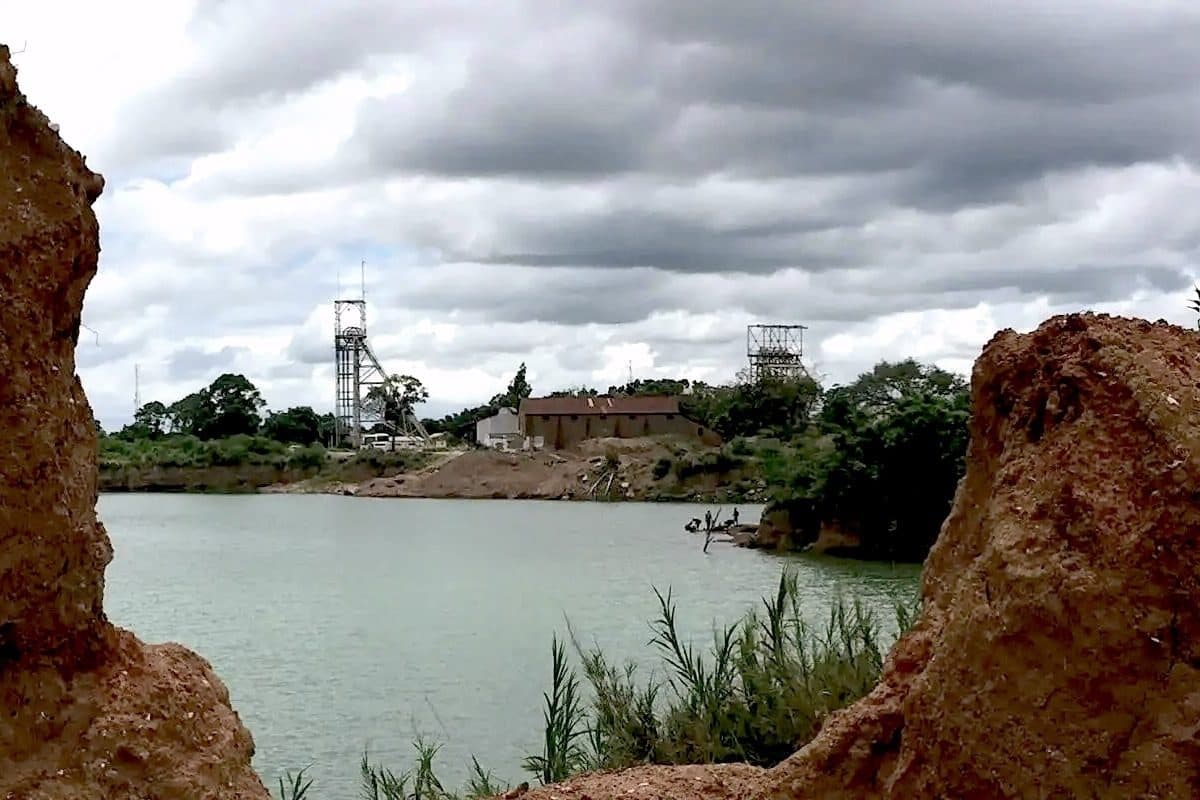
Zambia Under Pressure to Clean Up Shuttered Lead Mine Poisoning Town
Why It Matters
The health crisis threatens a generation and could stall Zambia's mining expansion, jeopardizing economic growth and ESG commitments.
Key Takeaways
- •6.4 million tons of lead waste still pollute Kabwe.
- •95% of children near mine have unsafe blood lead levels.
- •Human Rights groups demand African Union intervention for cleanup.
- •Zambia's new copper‑cobalt push risks repeating past environmental harms.
Pulse Analysis
Legacy mining sites like Kabwe illustrate how past extraction can become a long‑term public‑health liability. Decades after the Broken Hill mine shut in 1994, the residual tailings—estimated at 6.4 million tons—continue to leach lead into soil, water, and dust, exposing children to neurotoxic levels that impair cognition and growth. The situation mirrors other post‑industrial towns worldwide, where inadequate remediation has transformed economic booms into chronic health emergencies, prompting international attention and advocacy.
The complaint lodged with the African Union marks a strategic escalation from local activism to continental legal mechanisms. By invoking the African Charter on the Rights and Welfare of the Child, the coalition frames environmental neglect as a breach of fundamental human rights, potentially setting a precedent for similar cases across Africa. If the AU mandates remediation, Zambia could face binding obligations, financial penalties, or international monitoring, compelling the government to allocate resources for soil removal, water treatment, and comprehensive health screening for affected residents.
Zambia's ambition to scale copper, cobalt and other critical minerals for the global clean‑energy supply chain now collides with its legacy pollution. Investors and multinational firms are increasingly scrutinizing ESG performance; a failure to address Kabwe's crisis could deter capital, trigger supply‑chain disruptions, and attract reputational risk. Conversely, a robust cleanup could showcase Zambia's commitment to responsible mining, bolstering its position as a reliable source of battery metals. The outcome will likely influence policy debates on balancing resource development with community health safeguards across the continent.
Zambia Under Pressure to Clean Up Shuttered Lead Mine Poisoning Town
Comments
Want to join the conversation?
Loading comments...