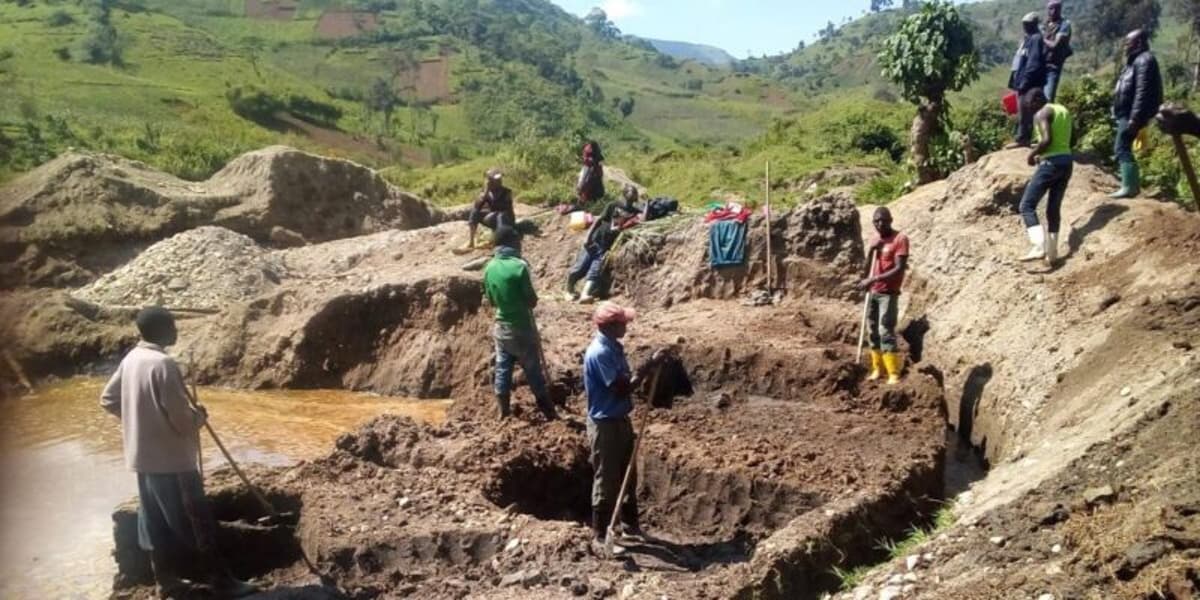
Zambian Govt Reaffirms Support for Sustainable Artisanal Mining in Central Province
•March 5, 2026
0
Companies Mentioned
Why It Matters
Formalising Zambia’s ASM sector can unlock tax revenue, create jobs and mitigate environmental risks, strengthening the country’s overall mining competitiveness. The policy also signals to investors that Zambia is improving governance in a key extractive industry.
Key Takeaways
- •Government pledges legal, sustainable artisanal mining in Central Province
- •Land facilitation program funded by UK aid supports formalisation
- •Revised training manual aims to improve safety, licensing
- •Partnerships with NGOs enhance environmental and social accountability
- •Formalisation expected to boost community development and tax revenue
Pulse Analysis
Zambia’s renewed focus on artisanal small‑scale mining reflects a broader shift across Africa toward formalising informal extractive activities. By integrating traditional miners into a regulated framework, the government aims to capture untapped fiscal contributions while curbing the illegal practices that have historically plagued the sector. The land‑facilitation programme, financed by the United Kingdom’s development agency, provides a concrete mechanism for allocating mining rights, reducing land disputes, and encouraging responsible resource stewardship.
The upcoming revision of the artisanal mining training manual underscores the emphasis on safety and environmental compliance. Updated curricula will equip miners with best‑practice techniques, from proper ventilation to waste management, thereby lowering accident rates and mitigating pollution. Licensing reforms tied to the manual also promise clearer pathways for cooperatives to become tax‑compliant entities, fostering a more transparent revenue stream for the national treasury.
Collaboration with international NGOs such as RESOLVE adds credibility and technical expertise to Zambia’s agenda. These partnerships bring global standards on social and health safeguards, ensuring that mining benefits translate into tangible community development. As formalisation progresses, investors are likely to view Zambia’s mining sector as lower‑risk, potentially attracting new capital and reinforcing the country’s position as a stable, growth‑oriented mining hub in the region.
Zambian Govt Reaffirms Support for Sustainable Artisanal Mining in Central Province
0
Comments
Want to join the conversation?
Loading comments...