Zimbabwe Overhauls Mining Fees, Scraps Trading Levy to Cut Costs
Key Takeaways
- •Single authority now issues all mining licences, cutting duplicate approvals
- •Small‑scale miners receive tiered fees, encouraging formalisation
- •Trading‑location levy removed, eliminating a productivity tax
- •New fees target lithium processing and gold jewellery permits
- •Precious‑stone registration fees cut; validity extended to five years
Pulse Analysis
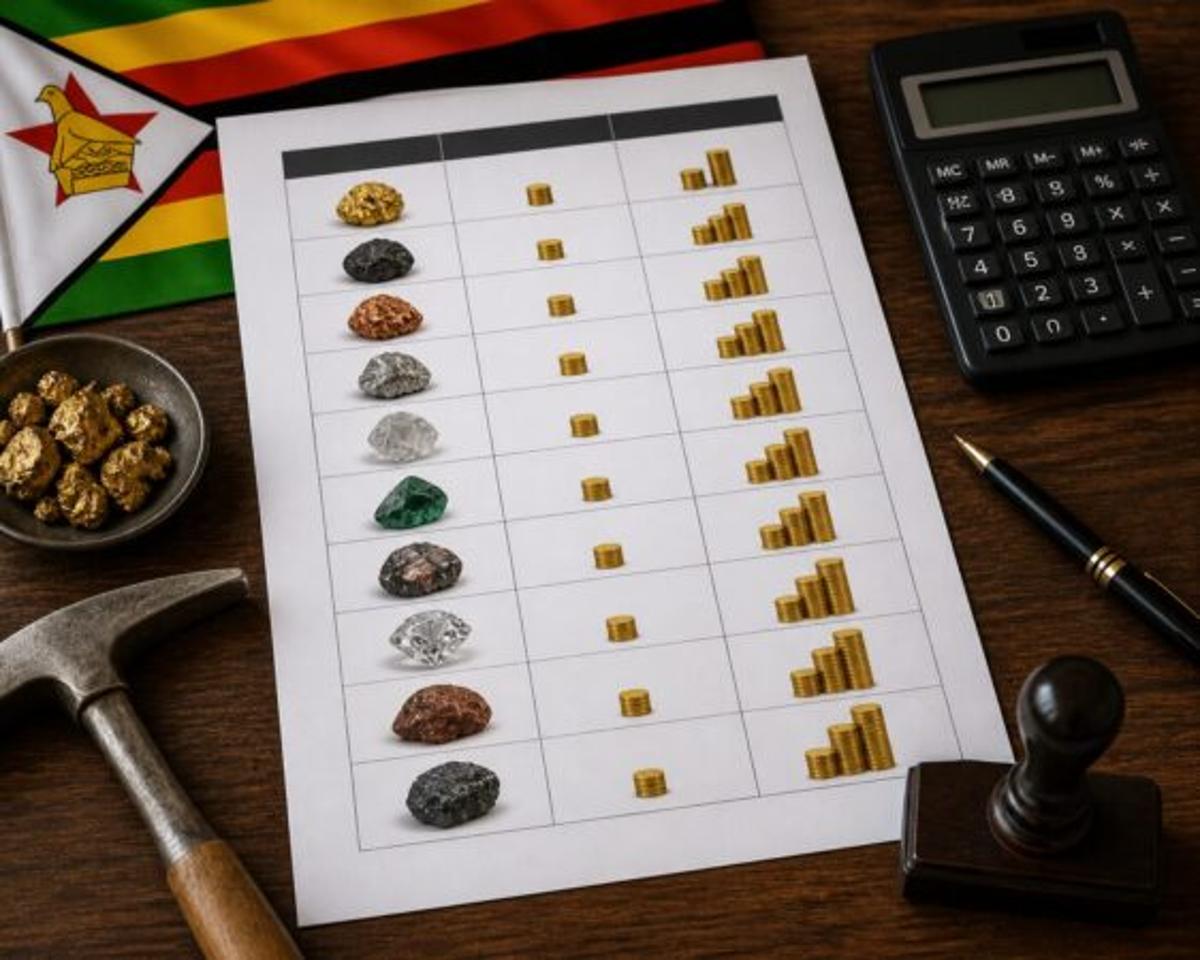
Zimbabwe’s mining sector, long hampered by overlapping permits and opaque levies, is undergoing its most comprehensive regulatory reset in years. The government’s decision to centralise licence issuance under one authority eliminates the need for parallel approvals from the central ministry and Rural District Councils, slashing processing times and curbing rent‑seeking opportunities. Coupled with an 80% fee freeze on existing prospecting and production charges, the reforms provide a stable cost base that can improve long‑term planning for both domestic and foreign operators.
A cornerstone of the overhaul is the introduction of tiered fees that differentiate between large corporations and artisanal miners. By pegging small‑scale licence costs to a fraction of those paid by major firms, the policy aims to coax informal operators into the formal economy, enhancing revenue transparency and environmental compliance. The removal of the trading‑location levy eliminates a direct disincentive to sell ore, while new fees on lithium processing plants and gold jewellery permits signal the government’s intent to capture greater downstream value as Zimbabwe positions itself in the global battery and luxury markets. Additionally, reduced precious‑stone registration fees and extended five‑year validity lower annual compliance burdens, encouraging longer‑term investment in gemstone trading.
If effectively implemented, these measures could lift Zimbabwe’s investment ranking, broaden the formal mining base and stimulate job creation in high‑value activities such as diamond cutting and lithium refining. The electronic cadastre system and the review of the colonial‑era Mines and Minerals Act further reinforce legal certainty, a key demand from international investors. However, success hinges on consistent enforcement across ministries and rural councils; any lapse could erode the anticipated gains and keep informal mining entrenched. Overall, the reforms present a strategic pivot toward a more attractive, diversified mining landscape.
Zimbabwe Overhauls Mining Fees, Scraps Trading Levy to Cut Costs
Comments
Want to join the conversation?