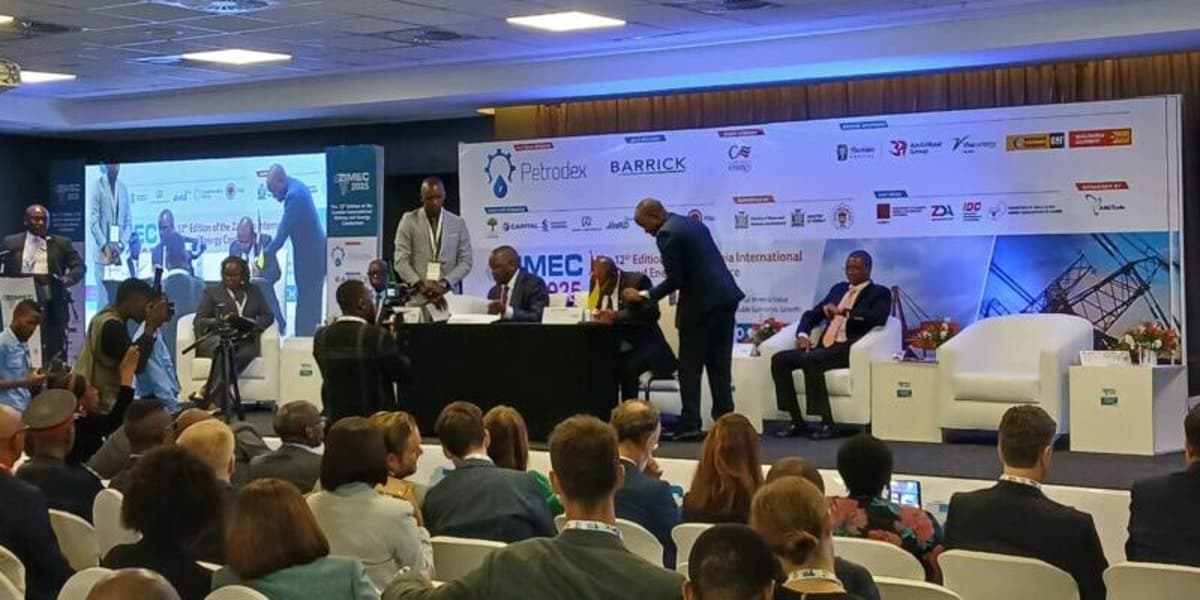
ZIMEC 2026 to Examine Zambia’s Mining and Energy Transition at a Pivotal Moment for Investment and Reform
•March 7, 2026
0
Why It Matters
ZIMEC 2026 positions Zambia at the nexus of Africa’s mineral supply chain and the global low‑carbon transition, making policy reforms and investment decisions critical for future export growth and energy security.
Key Takeaways
- •Mining 70% of Zambia’s export earnings.
- •Goal: 3 Mt copper annually by 2031.
- •Critical minerals: cobalt, manganese, nickel, lithium.
- •Energy reforms target private power and regional trade.
- •International delegations from Finland, China, Germany attend.
Pulse Analysis
Zambia’s mining sector remains a linchpin of the country’s economy, delivering about 70% of export revenue and anchoring its position in the global copper market. The government’s ambitious target of three million tonnes of copper output by 2031 reflects both rising demand for copper in renewable‑energy infrastructure and the nation’s expanding portfolio of battery‑grade minerals such as cobalt, nickel, manganese and lithium. As major economies accelerate their green‑energy agendas, Zambia’s resource endowment is becoming increasingly strategic for supply‑chain resilience.
Policy reforms are at the heart of ZIMEC 2026’s agenda, with a focus on enhancing transparency, streamlining licensing, and fostering private‑sector participation in power generation. Energy security is a prerequisite for mining expansion; the country’s push for private investment in renewable and thermal plants, coupled with regional electricity trading mechanisms, aims to mitigate chronic power shortages that have historically constrained production. By aligning regulatory frameworks with international best practices, Zambia hopes to attract the capital needed for large‑scale projects while safeguarding environmental and social standards.
For investors, the conference signals a pivotal moment to assess risk‑adjusted opportunities in a market poised for growth. The presence of delegations from Finland, China and Germany highlights Zambia’s appeal as a gateway to Southern‑African mineral supply chains. Successful implementation of the discussed reforms could unlock significant financing, integrate Zambia more tightly into regional value chains, and cement its role in the low‑carbon transition. Conversely, delays in policy execution may deter capital and erode competitive advantage, underscoring the importance of the outcomes from ZIMEC 2026.
ZIMEC 2026 to Examine Zambia’s Mining and Energy Transition at a Pivotal Moment for Investment and Reform
0
Comments
Want to join the conversation?
Loading comments...