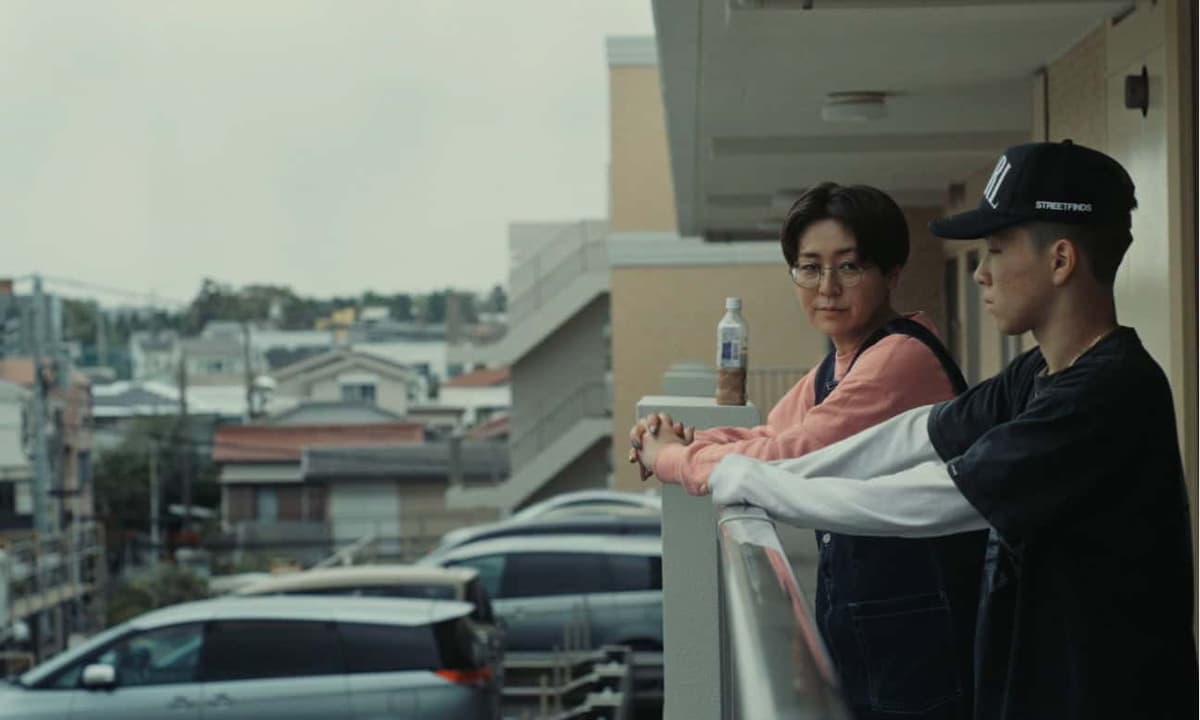
A Quiet Storm (2025) by Benjamin Nicholas Documentary Short Review
Key Takeaways
- •Documentary follows 14‑year‑old Maïto, a Tokyo Krump dancer
- •Mother Itsuka narrates family challenges, anchoring emotional core
- •Cinematography captures rain‑soaked slow‑motion dance sequences
- •Editing blends realistic drama with music‑video aesthetics
- •Film highlights disability representation within Japanese youth culture
Pulse Analysis
Street‑dance documentaries have surged in global festivals, yet few explore the genre’s impact outside Western contexts. "A Quiet Storm" fills that gap by situating Krump—a high‑energy style born on Los Angeles streets—in the cramped apartments of suburban Tokyo. Director Benjamin Nicolas leverages his background in visual storytelling to frame the dance as both a personal rebellion and a cultural bridge, offering Western audiences a fresh lens on how global youth movements adapt to local realities.
Narratively, the short relies on Itsuka’s first‑person narration, a choice that grounds the film’s emotional stakes without resorting to melodrama. By letting the mother articulate the pressures of caring for a disabled sibling, the documentary foregrounds disability discourse often absent from Japanese media. Maïto’s silence during interviews forces viewers to read his intent through movement, reinforcing the idea that dance can articulate what words cannot. This dual focus on family dynamics and artistic expression deepens the film’s relevance for scholars of media representation and social work alike.
Visually, DP Alexandre Nour’s use of rain‑drenched slow motion and tight framing transforms ordinary rehearsal spaces into cinematic canvases, while editor Marie‑Pier Grignon’s rhythm‑driven cuts echo the pulse of Krump itself. The seamless blend of realist drama with music‑video flair not only elevates the viewing experience but also signals a broader trend: documentaries are increasingly borrowing stylistic tools from commercial and narrative cinema to engage audiences. As festivals prioritize innovative form, "A Quiet Storm" positions itself as a benchmark for future projects that aim to merge cultural specificity with universal storytelling techniques.
A Quiet Storm (2025) by Benjamin Nicholas Documentary Short Review
Comments
Want to join the conversation?