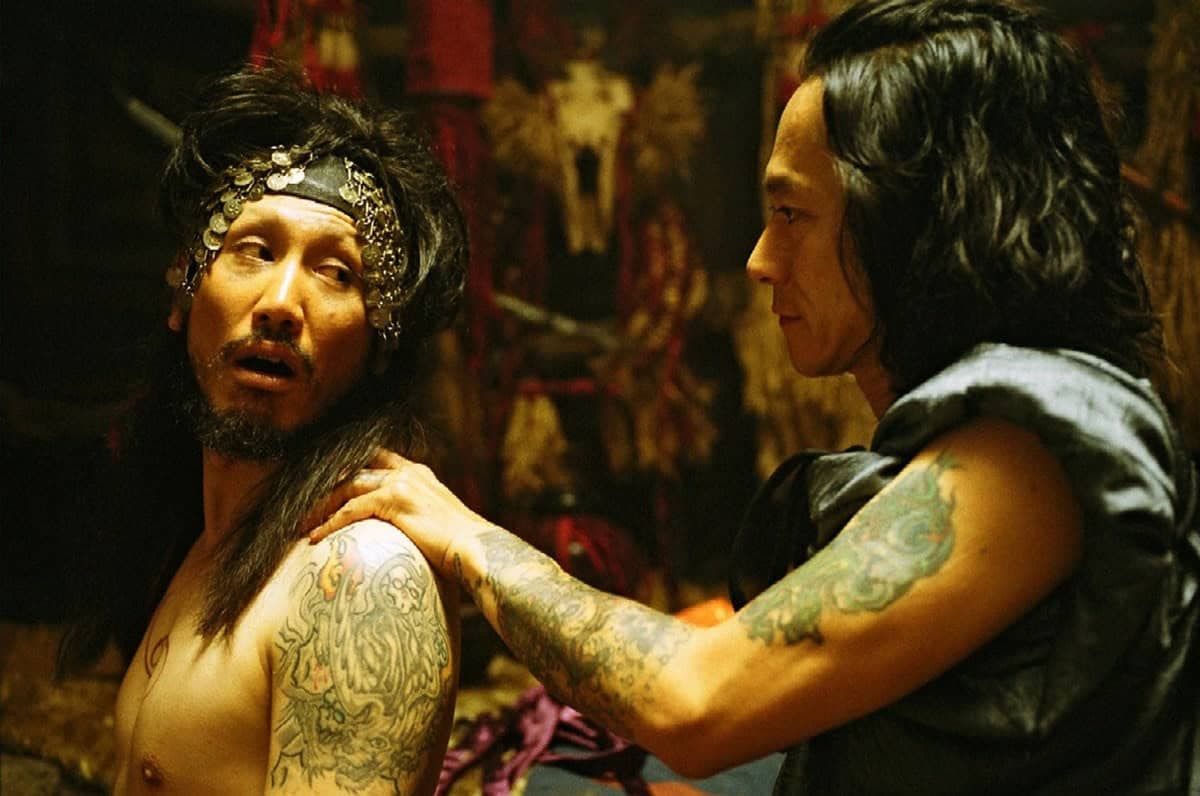
Blood of Rebirth (2009) by Toshiaki Toyoda Film Review
Key Takeaways
- •Toyoda returned after four-year hiatus, filming “Blood of Rebirth” in ten days.
- •Film blends joruri legend with punk aesthetics, minimal dialogue, heavy music.
- •Lead actor Tatsuya Nakamura uses physicality over traditional acting.
- •Score by Twin TAIL drives rhythm, shaping film’s hypnotic pace.
- •Movie marks Toyoda’s shift toward spiritual, experimental storytelling.
Pulse Analysis
Toshiaki Toyoda’s 2009 comeback with “Blood of Rebirth” arrived at a pivotal moment for Japanese independent cinema. After a four‑year legal hiatus, Toyoda leveraged a shoestring budget and a ten‑day shoot to produce a work that feels more like a ritual than a conventional narrative. By adapting the centuries‑old joruri legend of Oguri Hangan, he fused traditional folklore with punk‑era aesthetics, stripping dialogue in favor of a visceral soundscape that underscores the film’s metaphysical concerns. This approach reflects a broader trend among indie auteurs who prioritize mood, texture, and music over plot‑driven storytelling.
The film’s artistic choices are deliberately confrontational. Lead performer Tatsuya Nakamura, a former drummer for BLANKEY JET CITY, relies on physical presence and an enigmatic gaze to convey Oguri’s inner turmoil, while Kiyohiko Shibukawa’s understated menace anchors the tyrannical king. Cinematographer Toyotaro Shigemori captures lush forest greens alongside stark, blood‑red palettes, creating a visual dichotomy that mirrors the protagonist’s journey between life and death. The Twin TAIL score, co‑crafted by Toyoda and Nakamura, dominates the runtime, its pounding drums and experimental textures dictating pacing and amplifying the film’s hypnotic rhythm.
“Blood of Rebirth” signals a strategic shift in Toyoda’s oeuvre toward spiritual, experimental storytelling—a direction that would shape later titles such as “The Day of Destruction” and “Transcending Dimensions.” For the indie film market, the project demonstrates that limited resources can fuel bold, genre‑blending cinema capable of influencing both domestic and international audiences. Its hybrid of music‑driven narrative, mythic allegory, and avant‑garde visuals offers a template for filmmakers seeking to break conventional molds while maintaining a distinct auteur voice.
Blood of Rebirth (2009) by Toshiaki Toyoda Film Review
Comments
Want to join the conversation?