Key Takeaways
- •Documentary spans seven years, condensed into 25 minutes.
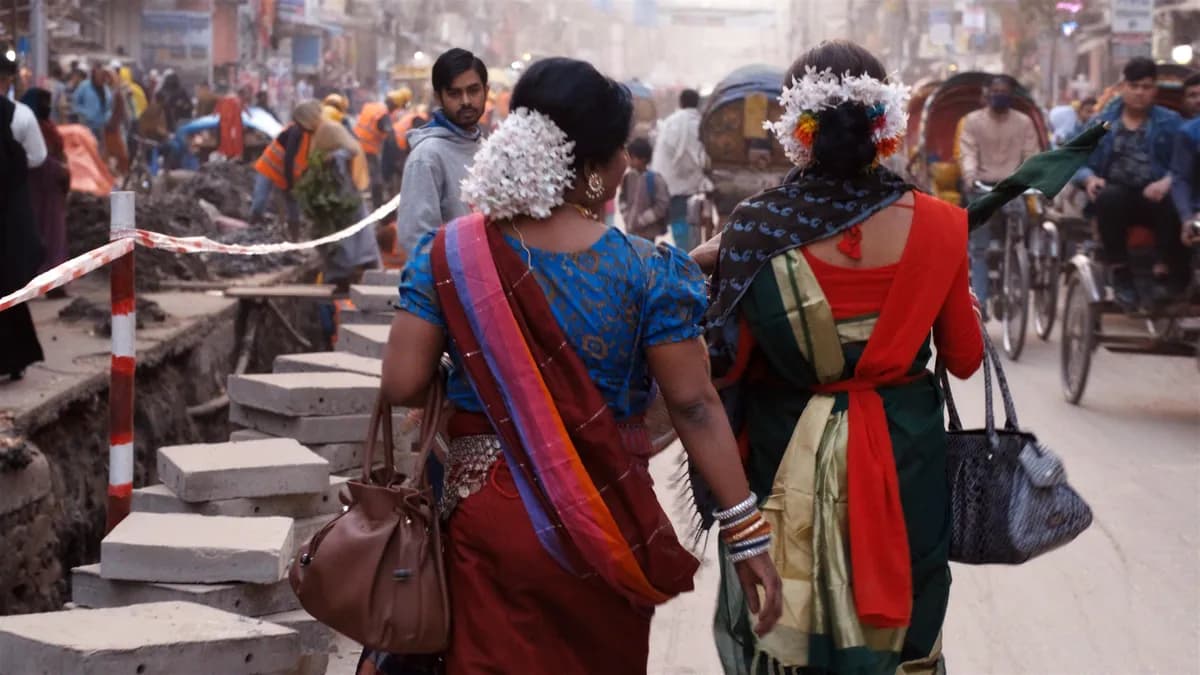
- •Highlights three Bangladeshi hijra women's lives and aspirations.
- •Shows tension between traditional hijra roles and modern transgender narratives.
- •Explores challenges: sex work, romance, guru dependency.
- •BFI Flare 2026 screening raises global awareness of non‑binary cultures.
Pulse Analysis
The hijra community, recognized across the Indian subcontinent for over eight centuries, occupies a distinct third‑gender space that predates colonial binary classifications. In Bangladesh, hijras traditionally perform at weddings and births, offer blessings, and often engage in sex work, while operating under a guru‑disciple hierarchy that blends mentorship with economic control. Their social status is shaped by a mix of Muslim majority norms and residual Hindu caste concepts, creating a complex web of acceptance and marginalization. Recent decades have seen a surge of transgender visibility worldwide, prompting hijras to renegotiate their cultural identity amid competing narratives of modern gender fluidity.
*Body Of Our Own* leverages seven years of footage to condense three intertwined stories into a 25‑minute observational portrait, allowing viewers to hear the subjects speak directly to one another rather than through scripted interviews. The film follows a celebrated performer who transitions to club entertainment, a hijra navigating a tentative love affair, and another confronting the prospect of leaving her guru—a decision fraught with financial and emotional risk. By foregrounding everyday moments—rehearsals, blessings, intimate conversations—the documentary reveals the nuanced tensions between preserving heritage and embracing new pathways to economic and personal autonomy.
Premiering at BFI Flare 2026, the documentary amplifies a voice rarely heard on the global stage, offering policymakers, NGOs, and media creators concrete insights into the lived realities of South Asian third‑gender communities. Its festival platform can catalyze funding for community‑led initiatives, inspire more inclusive representation in film and advertising, and inform legal reforms aimed at protecting hijras from exploitation and discrimination. As societies worldwide grapple with expanding definitions of gender, *Body Of Our Own* serves as both a cultural record and a catalyst for dialogue, underscoring the urgency of integrating diverse gender experiences into mainstream narratives.
Body Of Our Own - Jennie Kermode - 20287
Comments
Want to join the conversation?