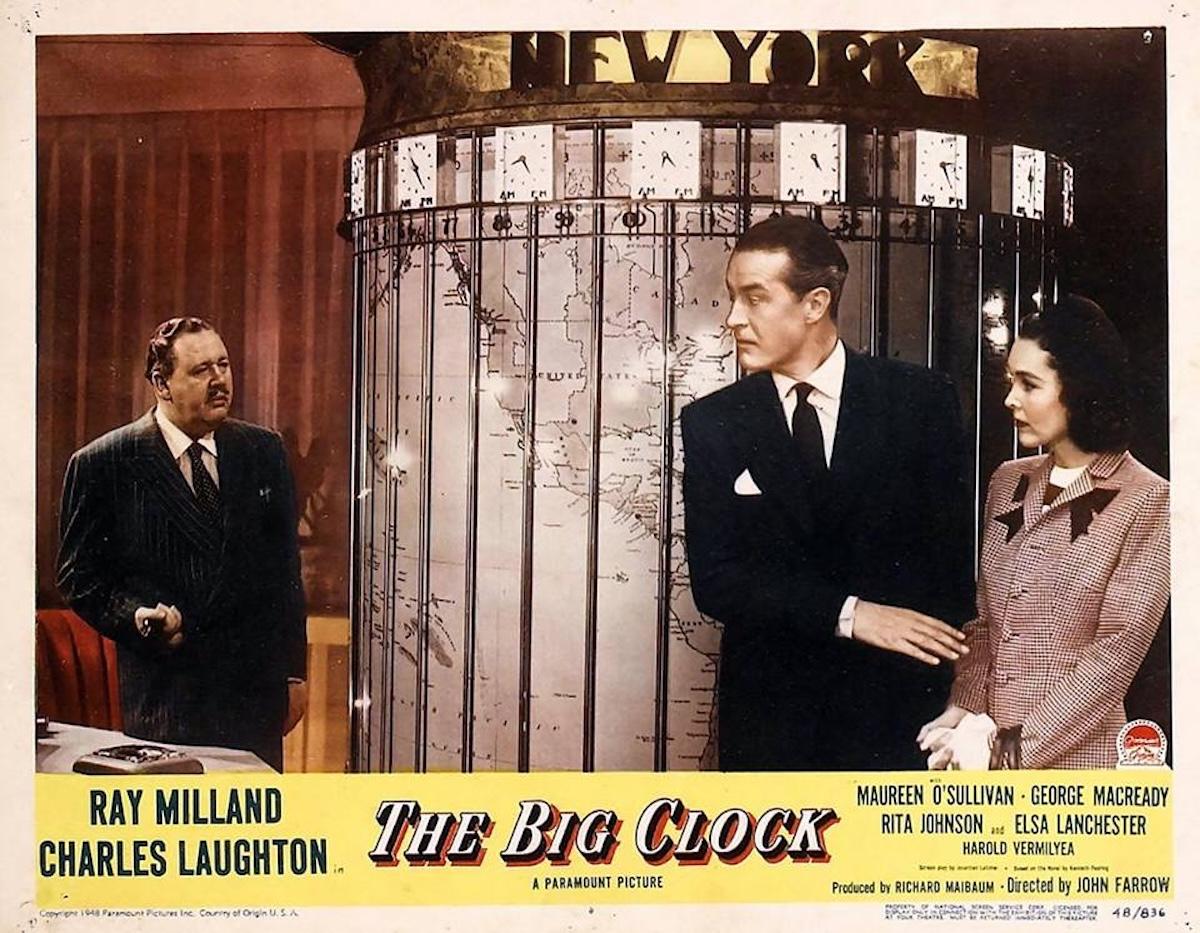
Key Takeaways
- •Big Clock features a literal giant clock at Janoth Publications' core
- •Ray Milland portrays editor George Stroud, framed for murder
- •Charles Laughton plays media mogul Earl Janoth, a tyrannical boss
- •Film showcases elaborate single‑take tracking shot through art‑deco office
- •Adapted from Kenneth Fearing novel; later remade as No Way Out
Pulse Analysis
John Farrow’s *The Big Clock* stands out in classic film noir for its daring visual storytelling. The opening sequence—a seamless push‑in from the street to the massive clock face—immerses viewers in the labyrinthine world of Janoth Publications, a setting rendered in crisp art‑deco design. Farrow’s use of a continuous tracking shot not only showcases technical virtuosity but also mirrors the relentless ticking of time that drives the protagonist’s desperation. This stylistic boldness elevates the film beyond a conventional whodunit, positioning it as a study in cinematic tension and spatial choreography.
Beyond its aesthetics, the movie offers a sharp critique of media conglomerates and the abuse of editorial power. Earl Janoth, portrayed by Charles Laughton, embodies the archetype of a self‑serving publishing magnate who wields his empire to silence dissent and frame an innocent employee. The narrative’s focus on a journalist forced to investigate his own alleged crime anticipates modern debates about press independence, corporate influence, and the ethical responsibilities of newsrooms. By framing the struggle within a seemingly low‑stakes magazine office, the film amplifies the personal stakes while reflecting broader societal anxieties about information control.
The story’s enduring relevance is evident in its multiple adaptations, from the 1976 *Police Python 357* to the 1987 thriller *No Way Out*, each transposing the core premise into contemporary settings. Today, *The Big Clock* is accessible via the Criterion Channel, inviting a new generation to experience its blend of suspense, dark humor, and visual flair. For cinephiles and industry professionals alike, the film serves as a reminder that the mechanisms of power—whether a literal clock or a media empire—can be both mesmerizing and menacing, making it a timeless study of narrative craft and corporate critique.
Classic Corner: The Big Clock
Comments
Want to join the conversation?