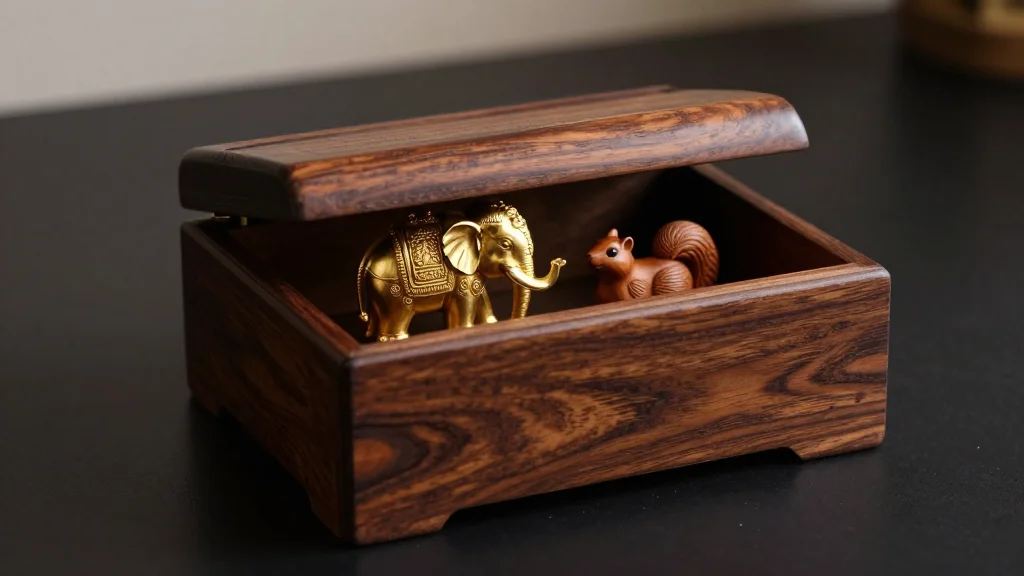
HotDocs Review: Gregor Brändli’s Elephants and Squirrels
Key Takeaways
- •Swiss museum holds Sri Lankan artifacts collected by early 20th‑century naturalists
- •Artist Deneth Veda uses her own sculptures to confront colonial display
- •Film highlights eugenics‑linked research on human remains in Basel archives
- •Swiss officials frame repatriation as bureaucratic, not moral, challenge
- •Documentary critiques Switzerland's claim of neutrality in colonial trade
Pulse Analysis
The surge of repatriation documentaries reflects a broader cultural reckoning with colonial plunder, and *Elephants and Squirrels* adds a nuanced layer by targeting a nation that traditionally positioned itself as a neutral trade partner rather than a colonial power. By focusing on Basel’s natural history collections, the film forces viewers to consider how Swiss institutions, long celebrated for scientific inquiry, also benefited from the extraction of cultural and biological specimens from Sri Lanka. This context broadens the conversation beyond the usual Euro‑American narratives, highlighting that even countries without formal colonies can be complicit in the extraction and preservation of contested heritage.
Central to the film’s impact is artist Deneth Piumakshi Veda, whose practice transforms personal embodiment into a critique of museum authority. Her decision to unbox life‑size sculptures of herself within the same sterile rooms that house colonial artifacts collapses the distance between past exploitation and present identity. The unsettling visual of a modern Sri Lankan body juxtaposed with 20th‑century eugenics‑driven human‑remains research exposes how scientific racism once justified the collection of bones for pseudo‑anthropological studies. Veda’s interventions turn abstract policy discussions into tangible, emotional experiences, urging audiences to confront the lingering trauma of objectified bodies.
For museum professionals and policymakers, the documentary serves as a cautionary case study. It reveals that bureaucratic language—talk of provenance, legal frameworks, and logistical hurdles—can mask deeper moral responsibilities. As institutions worldwide grapple with restitution claims, *Elephants and Squirrels* suggests that transparent dialogue, inclusive curatorial practices, and collaboration with descendant communities are essential. The film’s critique of Swiss neutrality invites a re‑examination of how all nations, regardless of colonial history, must address the ethical legacies embedded in their collections.
HotDocs Review: Gregor Brändli’s Elephants and Squirrels
Comments
Want to join the conversation?