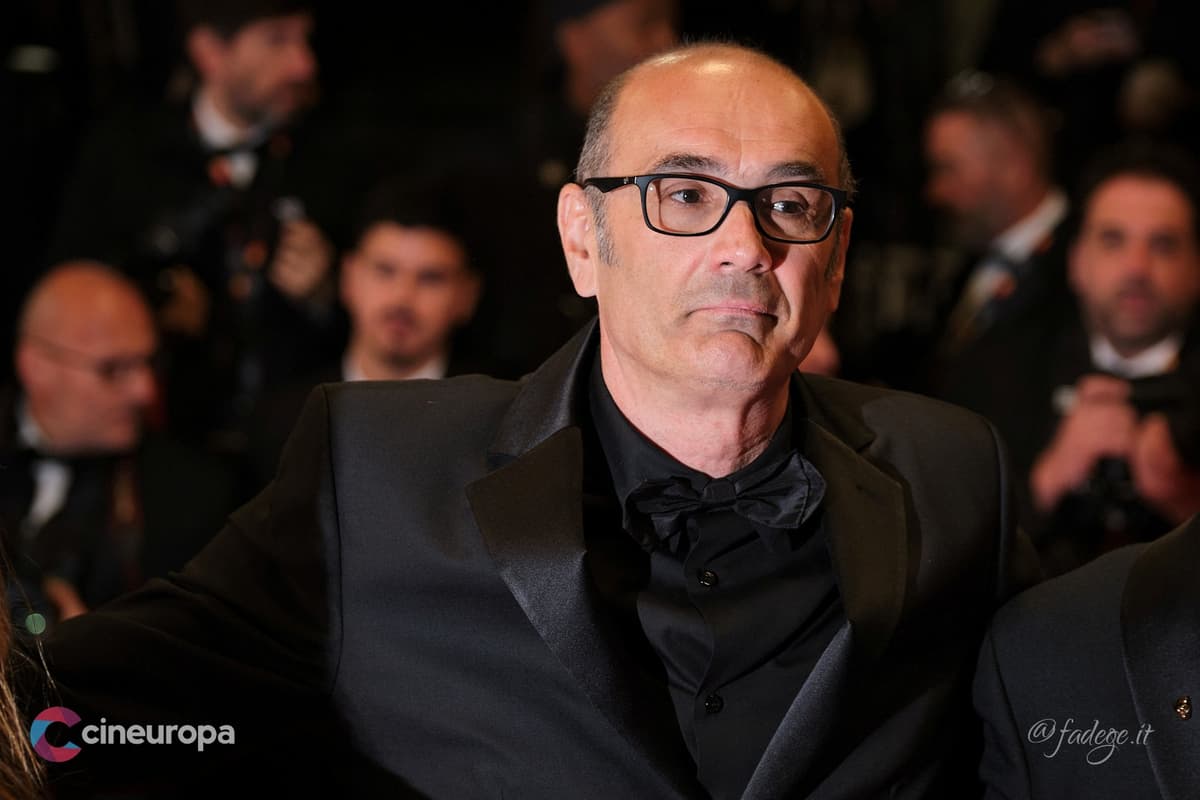
Interview: Vincent Garenq • Director of Forsaken - “We Wanted to Make a Film that Reflects France, Featuring Actors From Different Backgrounds and with Different Beliefs, Centred on the Values of Liberty, Equality and Fraternity” - Cannes 2026 – Out of Competition
Key Takeaways
- •Forsaken screened out of competition at Cannes 2026
- •Film recounts 2020 Samuel Paty murder with minimal graphic violence
- •Director seeks school screenings, requesting French Education Ministry endorsement
- •Story highlights diverse French voices, promoting liberty, equality, fraternity
- •Trial testimony added new scenes, enriching narrative authenticity
Pulse Analysis
Cannes has long served as a launchpad for films that grapple with contentious social issues, and *Forsaken* continues that tradition. By situating the narrative within a single secondary school over eleven days, director Vincent Garenq creates a claustrophobic yet universal tableau that mirrors the rapid spread of rumors and fear in real‑world crises. The decision to avoid explicit special effects and instead rely on factual recounting aligns with a growing European trend toward restrained, truth‑driven storytelling, allowing audiences to focus on the human cost rather than sensationalized violence.
Beyond artistic choices, Garenq’s outreach to the French Department for Education signals a strategic push to embed the film within classroom curricula. If ministries endorse the screening, teachers gain a vetted resource for discussing extremism, free speech, and civic values with students—a demographic that often encounters these topics only through headlines. This approach could set a precedent for how governments collaborate with filmmakers to address polarizing events, balancing educational merit against concerns of politicization and parental pushback.
The film’s casting of actors from varied ethnic and religious backgrounds underscores a broader cultural agenda: portraying France as a mosaic of identities united by the republican ideals of liberty, equality, and fraternity. By showcasing Muslim mothers supporting Paty and a young Islamist daughter renouncing fundamentalism, *Forsaken* attempts to humanize all sides and foster reconciliation. In an era where European cinema increasingly tackles post‑terrorism narratives, the movie’s nuanced perspective may resonate with international festivals and streaming platforms, expanding its impact beyond French borders and contributing to a global conversation on how societies heal after tragedy.
Interview: Vincent Garenq • Director of Forsaken - “We wanted to make a film that reflects France, featuring actors from different backgrounds and with different beliefs, centred on the values of liberty, equality and fraternity” - Cannes 2026 – Out of Competition
Comments
Want to join the conversation?