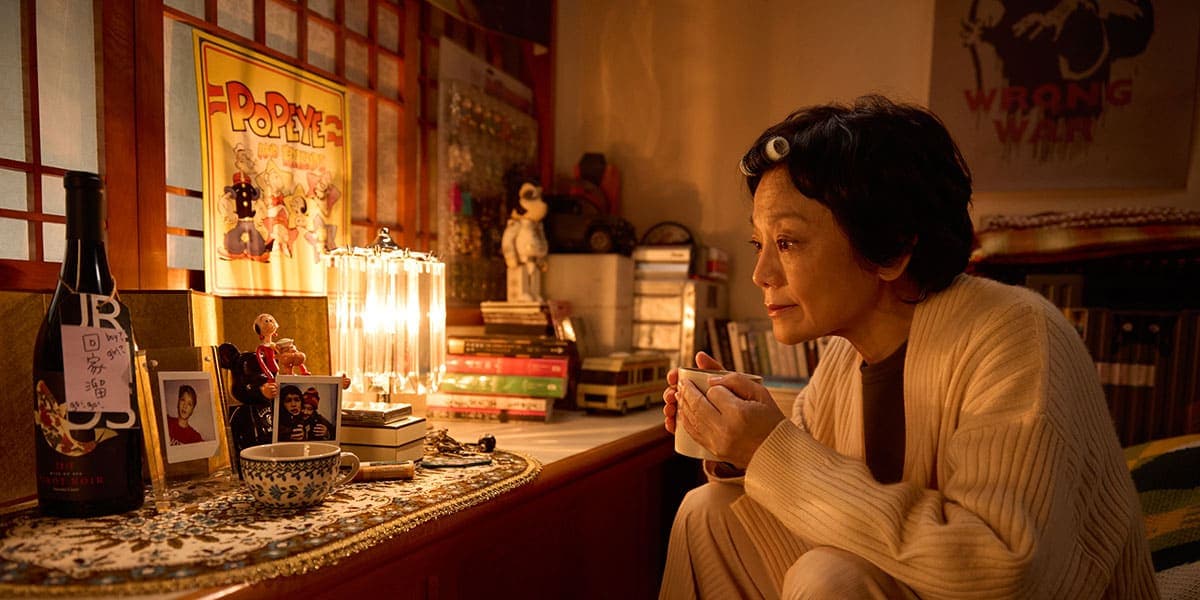
On the Imperfections of Motherhood: Daughter’s Daughter by Xi Huang
Key Takeaways
- •Explores fractured mother‑daughter bonds across adoption and estrangement
- •Highlights LGBTQ+ character navigating IVF amid family grief
- •Uses everyday objects to symbolize unresolved maternal regret
- •Avoids clichés, presenting motherhood as negotiated, imperfect identity
- •Concludes with ambiguous choice, reflecting ongoing generational healing
Pulse Analysis
In recent years, cinema has increasingly turned its lens toward the complexities of parent‑child dynamics, moving beyond the traditional glorification of sacrifice. "Daughter’s Daughter" joins this wave by foregrounding a mother’s internal conflict as she navigates the aftermath of loss and the ethical quandary of a frozen embryo. The film’s deliberate pacing and focus on ordinary details—voice‑recorded memories, a laundrette’s stray socks—serve as visual metaphors for the unspoken regrets that often linger in family histories. By situating these moments within a multicultural, LGBTQ+ context, the story expands the definition of motherhood to include non‑binary identities and modern reproductive technologies.
The narrative’s treatment of IVF and embryo disposition is particularly resonant amid ongoing societal debates about reproductive rights. Zuer’s pragmatic discussion of her treatment, contrasted with Ai’s emotionally charged decision‑making, underscores the generational gap in how fertility is perceived and managed. This juxtaposition invites viewers to consider how medical language can both clarify and obscure the deeply personal nature of creating life, especially when layered with past traumas such as adoption or relinquishment. The film’s refusal to offer a tidy resolution mirrors real‑world complexities, encouraging audiences to accept ambiguity as part of the healing process.
Beyond its thematic depth, "Daughter’s Daughter" signals a shift in the film festival circuit toward stories that challenge normative family structures. Its inclusion in the 2026 MINT Emerging Critics Scheme highlights a growing appetite for diverse voices that interrogate cultural expectations around motherhood. As streaming platforms and global distributors seek fresh, emotionally authentic content, works like Huang’s are poised to influence both creators and executives, prompting a reevaluation of how stories about women, families, and identity are financed, marketed, and received worldwide.
On the Imperfections of Motherhood: Daughter’s Daughter by Xi Huang
Comments
Want to join the conversation?