Key Takeaways
- •László Nemes returns with 'Orphan', set in post‑WWII Budapest.
- •Film explores trauma through a 12‑year‑old protagonist, Andor.
- •Cinematographer Mátyás Erdély uses shadowy framing reminiscent of Gordon Willis.
- •Bojtorján Barabas delivers a standout juvenile performance.
- •The film highlights Soviet‑era bureaucracy and hidden Jewish heritage.
Pulse Analysis
The arrival of Orphan marks a notable milestone for director László Nemes, whose Oscar‑winning debut Son of Saul cemented his reputation for unflinching Holocaust storytelling. By shifting focus to the next generation, Nemes expands the narrative canvas of post‑war Hungarian cinema, a sector that has recently attracted international co‑production funds from France, Germany and the United Kingdom. This cross‑border financing not only broadens distribution channels but also underscores a growing appetite for nuanced, region‑specific histories that resonate with global audiences seeking depth beyond conventional war epics.
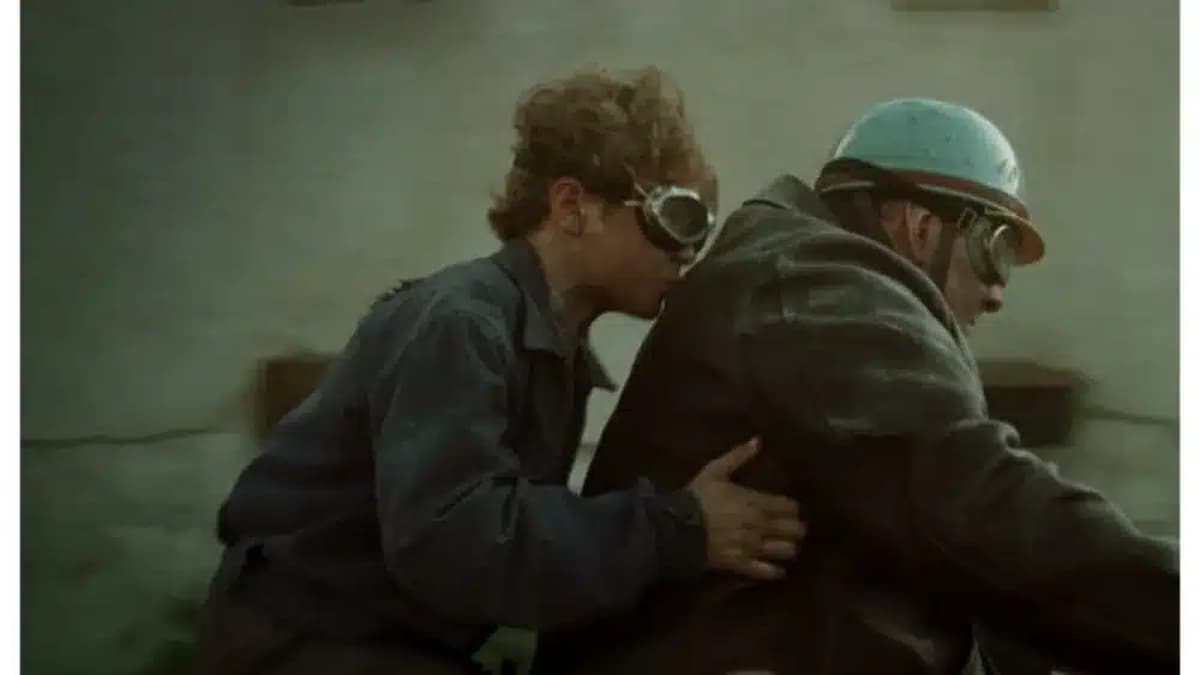
Visually, Orphan distinguishes itself through Mátyás Erdély’s meticulous use of chiaroscuro and tight aspect ratios that compress the frame, mirroring Andor’s limited understanding of his surroundings. The deliberate obstruction of light and foreground objects creates a palpable sense of claustrophobia, a technique reminiscent of Gordon Willis’s work on Klute. Such a stylistic choice elevates the film from mere period recreation to an immersive psychological study, inviting viewers to experience the oppressive atmosphere of Soviet‑controlled Budapest as a character in its own right.
Beyond its artistic merits, Orphan arrives at a time when streaming platforms and boutique arthouse chains are actively scouting premium foreign titles. Its blend of historical gravitas, strong performances, and distinctive visual language positions it for festival circuits and potential awards contention, which can translate into lucrative ancillary markets. For investors and distributors, the film offers a compelling case study of how culturally specific stories, when executed with universal emotional resonance, can achieve both critical acclaim and commercial viability in the competitive global film landscape.
Orphan (2025)
Comments
Want to join the conversation?