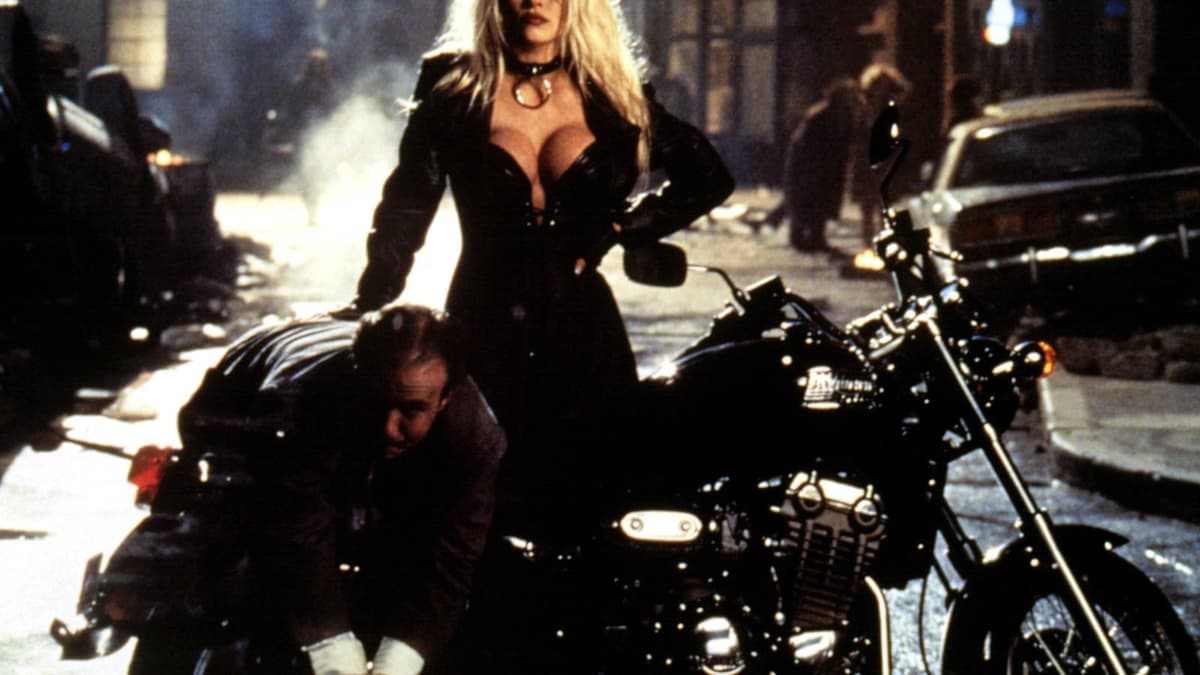
Pamela Anderson's Comic-Book Movie Barb Wire Ages Terribly in Every Way, Except One
Why It Matters
Barb Wire’s resurfacing underscores the commercial potential of legacy IPs that align with current sociopolitical anxieties, offering studios a hook for revivals or streaming‑focused niche content.
Key Takeaways
- •Barb Wire released May 3 1996, starring Pamela Anderson.
- •Film criticized for weak acting, dialogue, and low‑budget effects.
- •Dystopian civil‑war setting mirrors 2026 U.S. polarization.
- •Dark Horse comic roots enable possible modern reboot.
- •Cult nostalgia drives streaming platforms to acquire similar titles.
Pulse Analysis
When Barb Wire hit theaters in 1996, it arrived amid a wave of early comic‑book movies that struggled to find a balance between fan service and mainstream appeal. Directed by music‑video veteran David Hogan and built on a Dark Horse comic premise, the film leaned heavily on Pamela Anderson’s star power and a stylized, post‑apocalyptic aesthetic. Critics lambasted its stilted dialogue, thin storytelling, and production values that fell short of contemporaries like Blade, X‑Men, and Spider‑Man, relegating it to a footnote in the genre’s evolution.
Fast forward three decades, and the film’s narrative of a fractured United States—complete with a second civil war and alien‑derived technology—resonates with a nation grappling with deep partisan divides and rising authoritarian rhetoric. While the movie’s visual and performance flaws remain evident, its speculative scenario now feels less like science fiction and more like a cautionary tableau of current political anxieties. This re‑contextualization illustrates how cultural artifacts can gain relevance when real‑world events echo their fictional premises, prompting renewed critical and audience interest.
For media companies, Barb Wire’s unexpected resurgence offers a blueprint for monetizing legacy properties that align with contemporary discourse. Streaming services, always on the hunt for niche, cult‑class content, can leverage the film’s cult status to attract viewers seeking retro, politically charged narratives. Moreover, the underlying Dark Horse IP provides a low‑risk avenue for a modern reboot with higher production values, potentially tapping into both nostalgia and the appetite for dystopian storytelling. However, studios must balance authenticity with sensitivity, ensuring any revival adds substantive depth rather than merely exploiting Anderson’s iconic image.
Pamela Anderson's comic-book movie Barb Wire ages terribly in every way, except one
Comments
Want to join the conversation?
Loading comments...