Key Takeaways
- •Primavera adapts Tiziano Scarpa's novel 'Stabat Mater' into opera‑film.
- •Damiano Michieletto blends stage opera aesthetics with cinematic tableau.
- •Visual composition praised; narrative depth and character development criticized.
- •Film explores Vivaldi's mentorship of teenage violinist Cecilia.
- •Appeals to opera enthusiasts, but may alienate mainstream audiences.
Pulse Analysis
The resurgence of opera‑infused cinema reflects a broader cultural shift toward hybrid storytelling, and Primavera sits squarely at this intersection. Director Damiano Michieletto, known for his cinematic productions of Gianni Schicchi and Rigoletto al Circo Massimo, brings his stagecraft to the screen, translating the grandeur of live performance into meticulously composed frames. By anchoring the narrative in Tiziano Scarpa’s novel, the film taps into a literary foundation that enriches its thematic depth, while the Vivaldi soundtrack anchors the period authenticity that appeals to classical music aficionados.
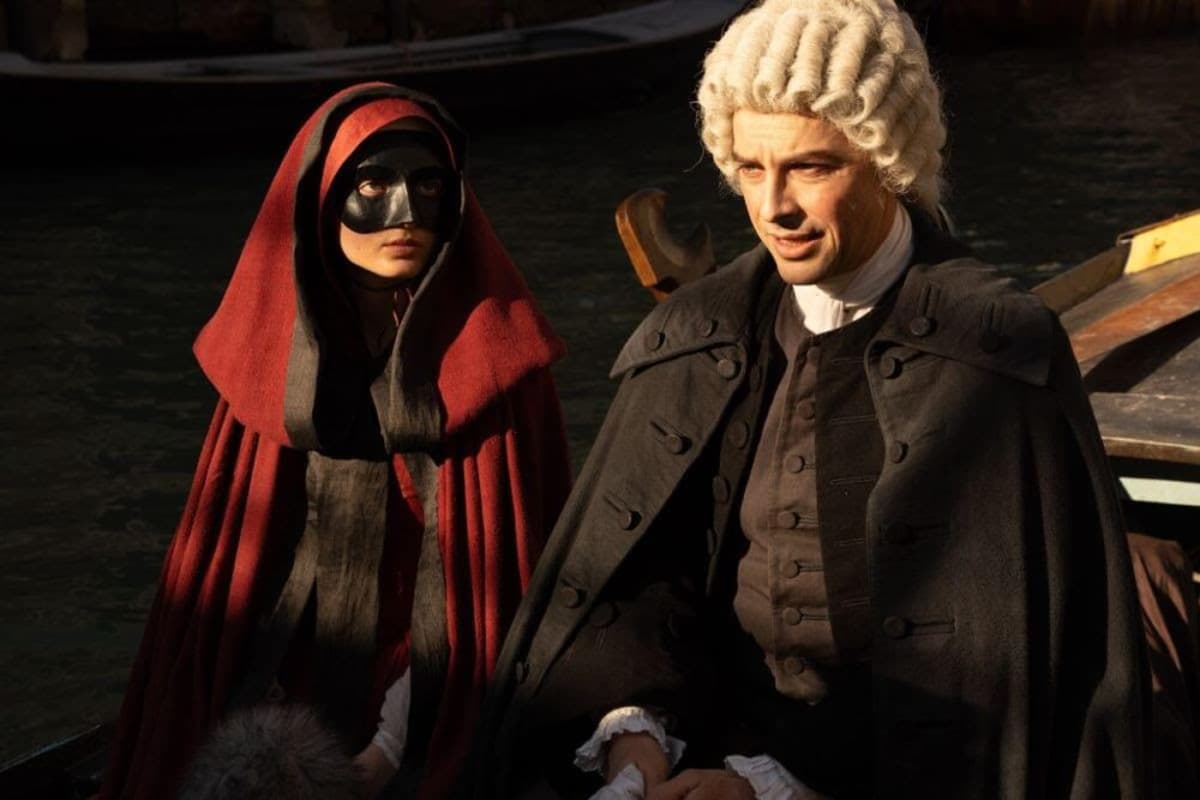
Visually, Primavera operates like a moving gallery, each scene arranged as a tableau vivant that balances chiaroscuro lighting with deliberate stillness. This approach rewards viewers attuned to visual symbolism, offering layered references to Vivaldi’s Four Seasons and the protagonist’s emotional arc. However, the emphasis on aesthetic over plot results in a narrative that feels distant; characters function more as archetypes than fully realized individuals. The pacing, mirroring the measured tempo of Baroque compositions, may challenge audiences accustomed to rapid storytelling, potentially limiting the film’s commercial reach.
From a market perspective, Primavera signals an experimental avenue for distributors seeking to diversify content libraries with niche, high‑culture offerings. Its release in UK cinemas suggests confidence in a segment of cinephiles who value artistic ambition over blockbuster formulas. If the film garners critical acclaim within opera circles, it could encourage further collaborations between filmmakers and classical institutions, expanding the audience for both art forms and reinforcing the viability of opera‑centric cinema in a streaming‑driven era.
Primavera (2025)
Comments
Want to join the conversation?