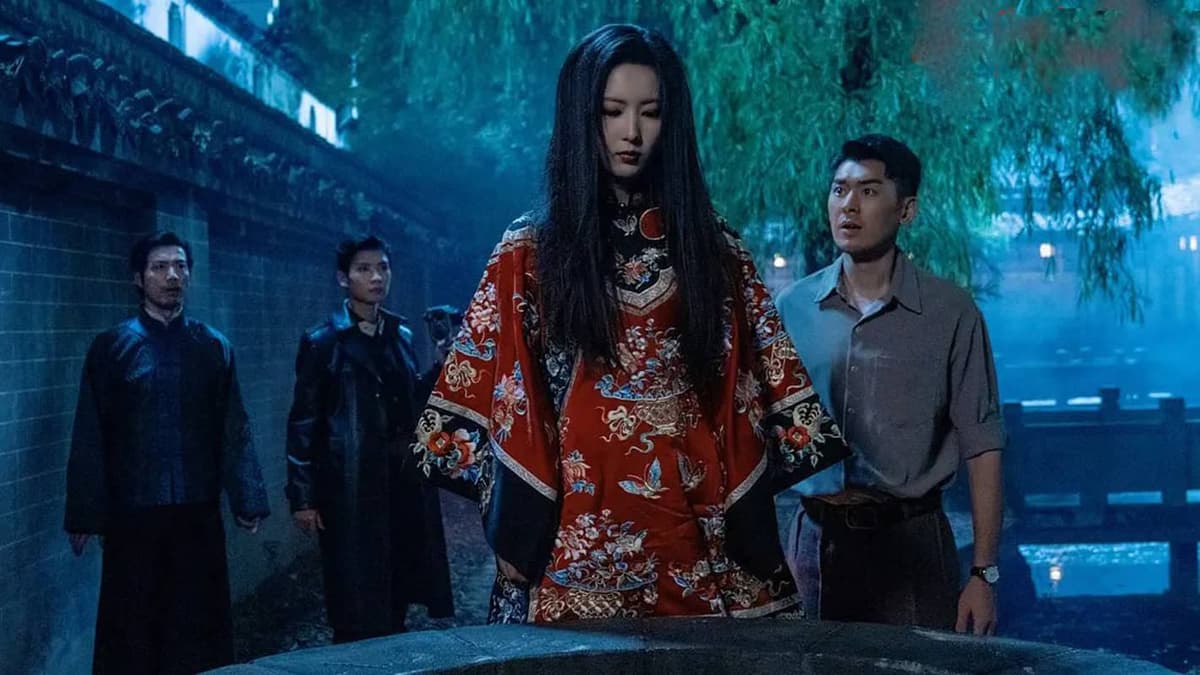
Red Wedding Dress (2025) by Xu Jun and Liu Ming Liang Film Review
Key Takeaways
- •Xu Jun’s highest‑grossing film, prompting immediate sequel
- •Red wedding dress symbolism deepens cultural horror themes
- •Censorship forced human‑centered narrative over supernatural ghosts
- •Visuals use red palette, enhancing eerie atmosphere
Pulse Analysis
Chinese horror cinema has experienced a renaissance by grounding scares in local folklore, and Red Wedding Dress exemplifies this trend. The film taps into traditional rituals—ancestral graves, paper burial crafts, feng shui, and spirit mediums—to create a narrative that feels both authentic and unsettling. By situating the terror in a Republican‑era town, the directors tap into a nostalgic visual palette that resonates with domestic audiences seeking stories that reflect cultural heritage rather than generic Western tropes. This approach aligns with a broader industry shift toward regionally nuanced content that can compete with imported blockbusters.
Visually, the movie distinguishes itself through a disciplined use of red hues, a color historically associated with celebration and blood in Chinese culture. Cinematographer Li Jun leverages this palette to heighten tension, while art director Zhang Chang Xing crafts a mansion that feels lived‑in and oppressive. Performances, especially Yuen Cheung Yan’s gravitas as the patriarch and He Yu Chen’s piercing exorcist, anchor the supernatural elements in human emotion. The layered backstories, though occasionally labyrinthine, enrich the world‑building, offering viewers multiple entry points into the haunting mystery.
From a business perspective, Red Wedding Dress broke Xu Jun’s previous box‑office records, demonstrating that horror anchored in cultural specificity can be a lucrative genre in China’s rapidly expanding market. The film’s success secured a sequel, Red Wedding Dress: Paper Bride, underscoring studios’ confidence in franchise potential. Yet, the need to sidestep overt ghost depictions due to mainland censorship forced a more human‑focused plot, a compromise that may influence how future horror projects balance creative vision with regulatory limits. Understanding this dynamic is essential for producers aiming to navigate China’s lucrative yet tightly controlled entertainment landscape.
Red Wedding Dress (2025) by Xu Jun and Liu Ming Liang Film Review
Comments
Want to join the conversation?