Key Takeaways
- •The Cure blends social horror with biotech anxieties
- •Wealthy parents' struggle highlights U.S. healthcare inequities
- •Director Nancy Leopardi aims for sci‑fi commentary
- •Film falters between sci‑fi, supernatural, and thriller tones
- •Strong performances from David Dastmalchian and Ashley Greene
Pulse Analysis
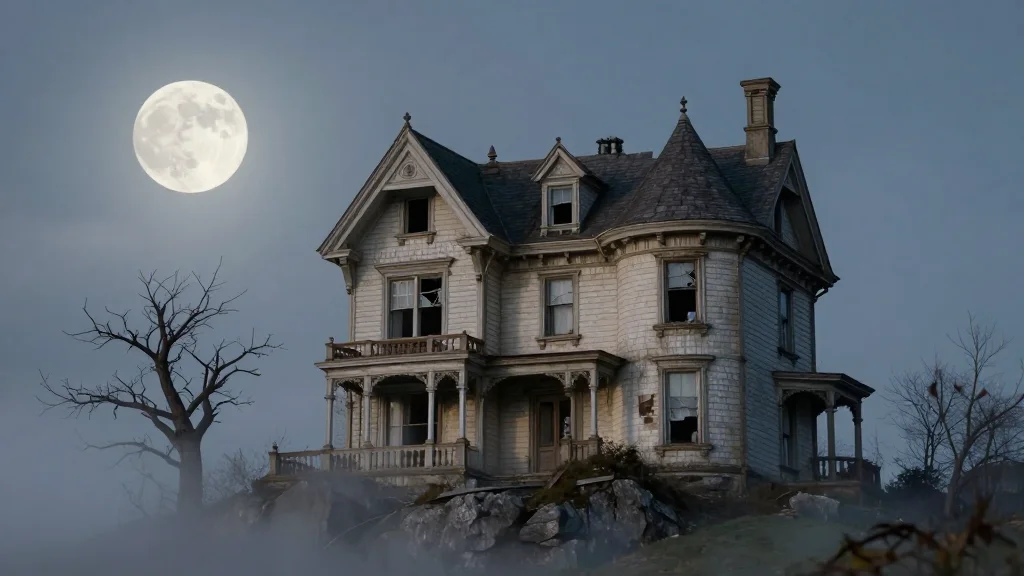
Social horror has re‑emerged as a cinematic conduit for exposing societal fractures, from George Romero’s zombie allegories to Jordan Peele’s race‑focused thrillers. *The Cure* joins this lineage by framing a personal health crisis within a broader critique of America’s profit‑driven medical system. The film’s visual language—sterile mansions, clinical corridors, and futuristic biotech motifs—mirrors the cold efficiency of a healthcare industry that often prioritizes data over humanity.
At its core, the narrative follows Ally Braun, an affluent teenager whose rare disease forces her parents to navigate a labyrinth of elite specialists and experimental treatments. By depicting a family with unlimited resources still besieged by bureaucratic hurdles, the movie flips the typical underdog trope, highlighting that wealth does not guarantee immunity from systemic failure. This inversion amplifies discussions around insurance opacity, the commodification of cure research, and the ethical quagmire of biotech breakthroughs that could widen existing class divides.
Critically, *The Cure* struggles to reconcile its ambitious thematic agenda with a cohesive horror identity. The script oscillates between cerebral sci‑fi speculation, conventional slasher set‑pieces, and moments of supernatural dread, leaving audiences uncertain about the film’s true genre home. Nevertheless, strong performances—especially Dastmalchian’s nuanced antagonist—anchor the social commentary, offering a compelling entry point for viewers interested in the intersection of entertainment and policy. As streaming platforms continue to prioritize socially resonant content, the film’s mixed execution serves as a cautionary tale about balancing message with genre mechanics.
The Cure Review
Comments
Want to join the conversation?